
Industry Standards and Regulations
Meeting and exceeding global standards for operator safety and air quality.
International Standard Organisation (ISO)
International ISO standards provide globally recognised benchmarks for air quality system design, testing, and performance across mining, construction, and industrial equipment. These standards focus on measurable system performance such as filtration effectiveness, cabin integrity, and pressurisation, allowing operators and OEMs to validate protection consistently across regions and operating conditions.
Operator Enclosure

Caterpillar Dozer D10
ISO 23875:2021/Amd 1:2022
Air Quality Control Systems for Operator Enclosures
ISO 23875 sets global standards for cabin air quality in mining and heavy equipment operations. It requires continuous CO₂ monitoring (sustained levels must not exceed ambient CO₂ + 400 ppm), strict limits on particulate matter (≤ 25 μg/m³, decay time ≤ 120 seconds), positive cabin pressurisation (≥ 20 Pa and ≤ 200 Pa), and certified HEPA-grade filtration with the use of prefilters or powered precleaners to extend filter life.

Terex Haul Truck MT4400
ISO 10263-1:2009
Earth-moving machinery operator enclosure environment for HVAC
The performance requirements in ISO 10263:
- Maintaining 50 to 200 Pascals
- Fresh airflow requirement of more than 43m³/hr
- 96% efficiency of the external air filter
- Heating system with windscreen defrosting features
- Focus on airflow vs CO₂
Clean Room and Control Room
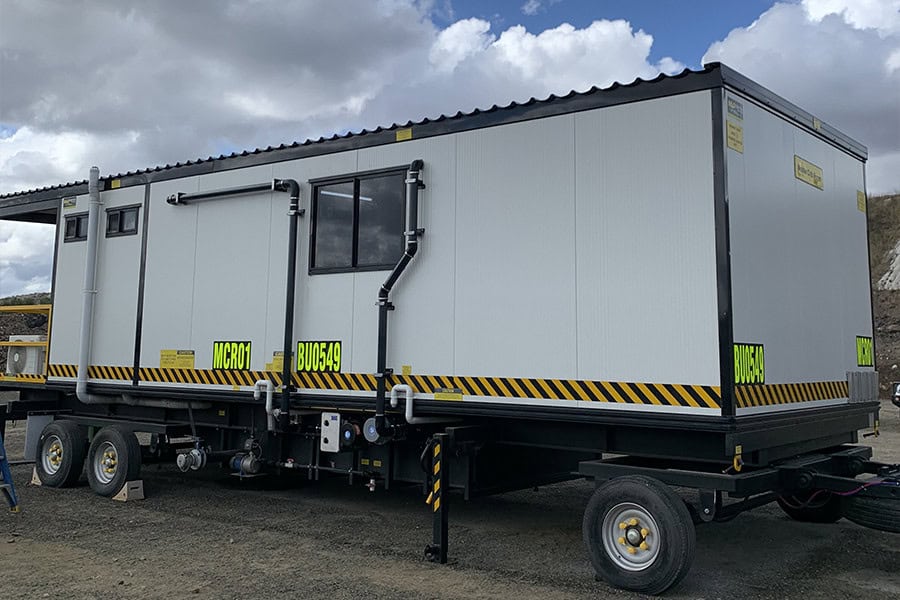
ISO 14644-15:2017
Clean rooms and energy-efficient clean environments
ISO 14644-15 addresses the energy-efficient design and operation of clean rooms and controlled environments while maintaining required air quality. It emphasises airflow management, pressure control, and filtration efficiency, encouraging optimised systems that protect occupants and processes without unnecessary energy use.
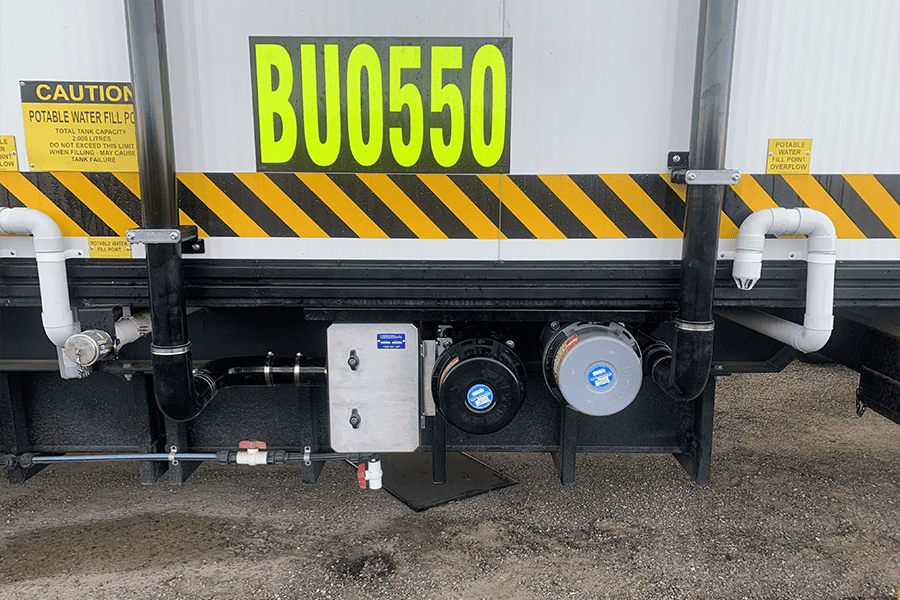
Control room with activated carbon filtration
ISO 14698-1:2003
Clean rooms and associated controlled environments — Biocontamination control
ISO 14698-1:2003 sets out principles for controlling biological contamination in clean and controlled environments through risk assessment, monitoring, filtration, airflow control, and maintenance. It focuses on preventing contaminant ingress and growth rather than prescribing fixed limits, supporting the design and operation of sealed, filtered, and well-controlled enclosures.
Filter Efficiency and Filter Media

Caterpillar Excavator 325FL
ISO 29463
High-efficiency filters and filter media for removing particles from air
ISO 29463 defines the classification, testing, and performance requirements for EPA, HEPA, and ULPA air filters, including minimum filtration efficiency, particle capture performance, and integrity verification.
The standard ensures filters perform as specified under controlled test conditions and is widely used to support applications requiring high-efficiency particulate removal, such as clean environments, enclosed systems, and critical air filtration solutions.
Air Quality Standards in Different Regions
Dust and diesel particulates pose serious health risks in mining, construction, and manufacturing, contributing to irreversible diseases such as silicosis and COPD. In response, regional and country-specific air quality regulations define requirements for operator cabin design, system performance, and ongoing maintenance, ensuring effective protection under local operating and compliance conditions.

Canada Labor Code
Canada Labor Code (Part II) & Provincial Regulations
Provinces such as Ontario, Alberta, British Columbia, etc., enforce specific numeric exposure limits for respirable crystalline silica (commonly 0.05 mg/m³, 8-hour TWA) and require formal Exposure Control Plans (ECPs).
Provinces such as Saskatchewan, Manitoba, Labrador, etc., adopt ACGIH TLVs and require employers to assess exposure, implement controls, and verify their effectiveness through regular monitoring.
MSHA Respirable Silica Final Rule (USA)
Lowering Miners’ Exposure to Respirable Crystalline Silica and Improving Respiratory Protection
Under the MSHA Respirable Crystalline Silica Final Rule, operators must control silica exposure using engineering controls, not PPE alone. For mobile equipment, this means HEPA-grade filtration, positive cabin pressurisation, sealed enclosures, and continuous monitoring with alarms to ensure protection is maintained. Compliance is verified through exposure monitoring to keep respirable silica below the 50 µg/m³ (8-hour TWA) limit, with metal and non-metal mines required to comply by April 2026.
Decreto Supremo N° 024-2016-EM (Peru)
Occupational Health Regulation
Mining operations in Peru must comply with Decreto Supremo N° 024-2016-EM, together with national occupational exposure limits for chemical agents. For respirable crystalline silica, the permissible exposure limit is commonly applied at 0.05 mg/m³ (8-hour TWA). Compliance is enforced through air monitoring, inspections, and corrective actions, which require mine operators to implement effective engineering controls to minimise exposure.
Failure to meet these limits can result in suspension of activities or loss of authorisation to operate on mine sites.
Decreto Supremo N° 594 (Chile)
Occupational Health Regulation
In Chile, Decreto Supremo N° 594 sets Límite Permisible Ponderado (LPP) for airborne contaminants in workplaces to protect health under normal 8-hour shifts. For respirable crystalline silica (quartz), Chile’s occupational health protocols list a weighted permissible limit of ~0.08 mg/m³ (8-hour TWA), with lower LPPs for other silica forms such as cristobalite and tridymite (e.g., ~0.04 mg/m³) based on detailed workplace exposure guidelines.
BOELV (EU) & COSHH / WEL (UK)
HSE Workplace Exposure Limit
Across the European Union, respirable crystalline silica is regulated under the Carcinogens and Mutagens framework, with a Binding Occupational Exposure Limit Value (BOELV) of 0.1 mg/m³ (8-hour TWA). This limit is legally enforceable across member states and requires employers to reduce exposure as far as reasonably practicable, prioritising engineering controls and verifying performance through monitoring.
In the United Kingdom, the COSHH Regulations apply alongside the HSE Workplace Exposure Limit (WEL) for respirable crystalline silica (0.1 mg/m³, 8-hour TWA). Employers must assess exposure, implement effective control measures, and demonstrate ongoing compliance. Engineered solutions, such as sealed, filtered, and pressurised operator cabins, are commonly used to meet these requirements on mining and industrial sites.
EN15695 (EU)
Agricultural tractors and self-propelled sprayers – protection of the operator against hazardous substances.
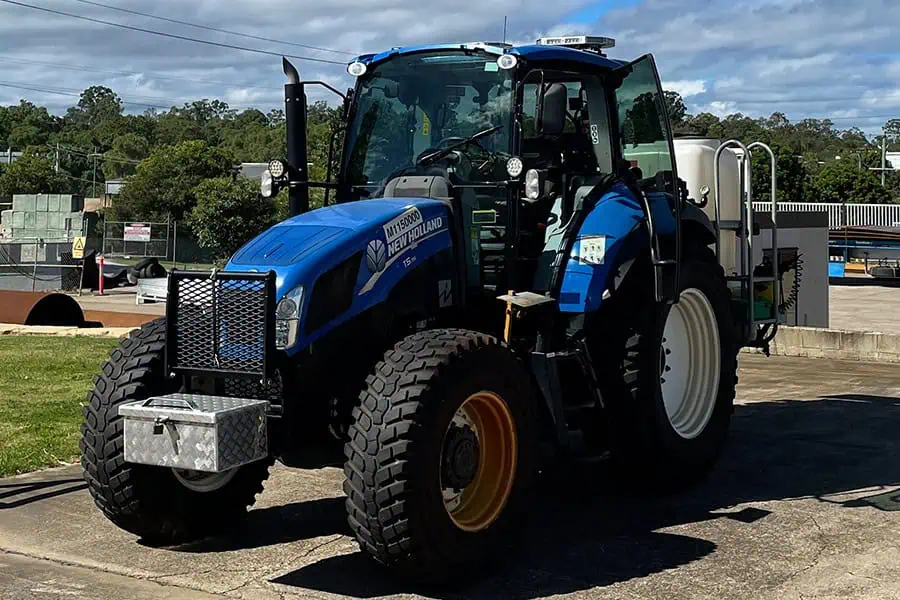
EN 15695 defines operator cabin protection levels for agricultural and forestry machinery where operators may be exposed to dust, aerosols, and plant protection products. The standard classifies cabins into four protection categories (Category 1 to 4) based on their ability to prevent contaminant ingress.
Higher protection levels require high-efficiency particulate filtration, controlled airflow, positive cabin pressurisation, and verified cabin integrity, and must be applied whenever operators are exposed to hazardous dust, aerosols, or chemical products requiring controlled cabin environments.
Workplace Exposure Standards & Codes of Practice (Australia)
Managing risks of respirable crystalline silica in the workplace
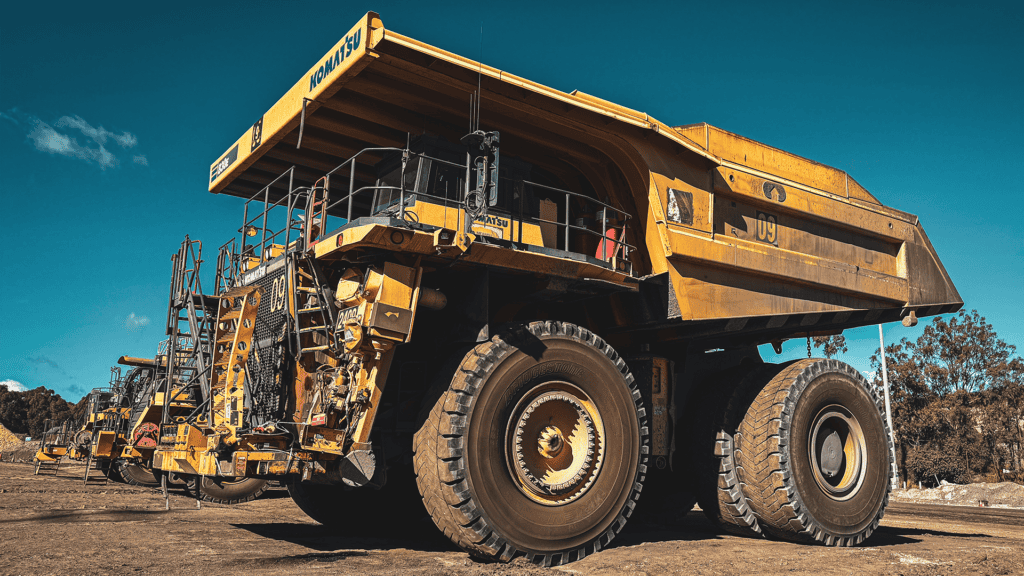
Australian mine and industrial sites are regulated through Workplace Exposure Standards (WES), which set enforceable limits for airborne contaminants such as respirable crystalline silica (0.05 mg/m³, 8-hour TWA). Compliance is assessed through air monitoring and exposure verification, and exceedances can trigger enforcement action.
To achieve and demonstrate compliance with WES, regulators expect duty holders to follow the Safe Work Australia Model Code of Practice, which prioritises engineering controls over administrative controls and PPE.
Queensland Recognised Standard 20 (Australia)
Dust Control in Surface Coal Mines
Under Queensland Recognised Standard 20 (RS20), surface coal mine operators are expected to control respirable dust and silica exposure using effective engineering controls rather than relying on PPE alone.
Operator cabins play a critical role by preventing dust ingress, which in practice is achieved through high-efficiency filtration, positive cabin pressurisation, and well-sealed enclosures.
RS20 also emphasises that controls must be maintained and verifiable, driving the adoption of system monitoring and operator alerts to ensure protective performance is sustained throughout each shift.
*This page provides an overview of regulations and should NOT be used as the only source of information.
Please contact us for further information or follow the links to learn more about complying with standards, regulations and guidelines in your area*
Unsure whether your site meets current air quality standards?
We help operators understand regulatory requirements and implement effective engineering controls.