
HEPA Panel Recirculation Filter
Reduce Decay Time and Protect Operators

Image shows a return air filter for Caterpillar 374F
HEPA Panel Recirculation Filter
Reduce Decay Time and Protect Operators
Designed to integrate directly with the cabin’s air recirculation system, the HEPA Return Air Filter captures more than 99.95% of particles at 0.3 microns, effectively removing fine dust and airborne contaminants.
Housed in a durable metal casing with a protective screen and sealing foam, it ensures clean cabin air, extended filter life, and protects the HVAC system from contamination.
Wide Range of Options to Fit OEM Design
Applications

Operator Cabin Pressurisation

Electrical Enclosure Pressurisation
Gallery
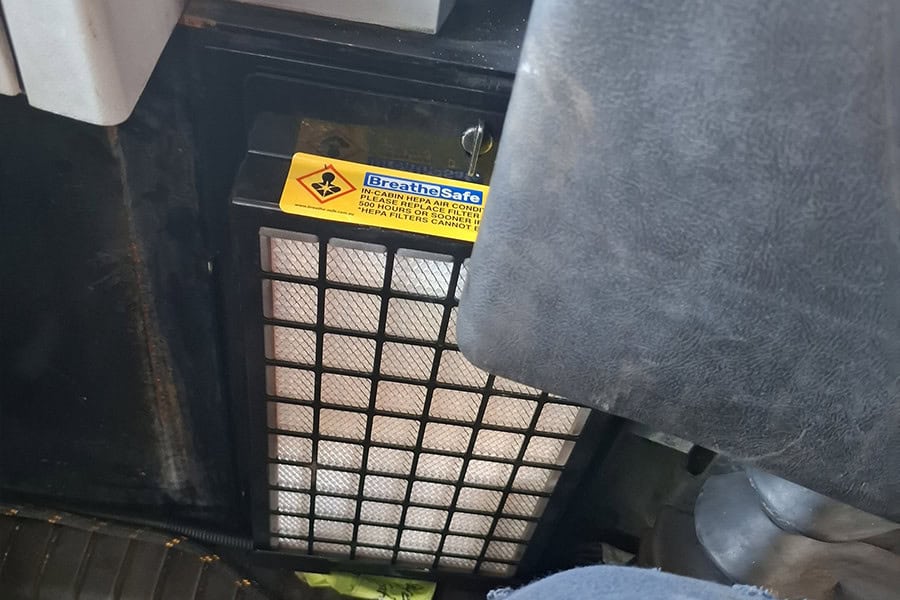
Caterpillar Dozer D10T
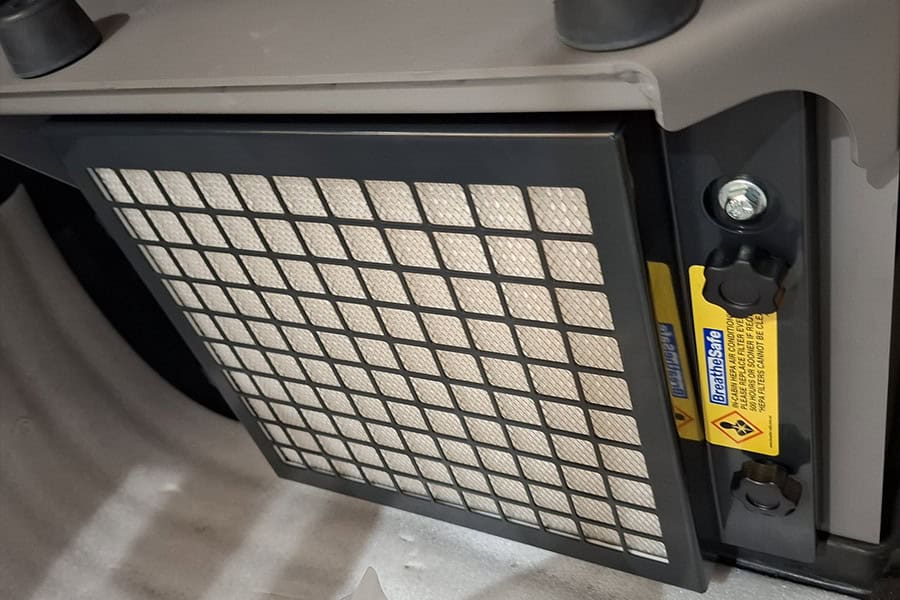
Komatsu Loader WA900-8R
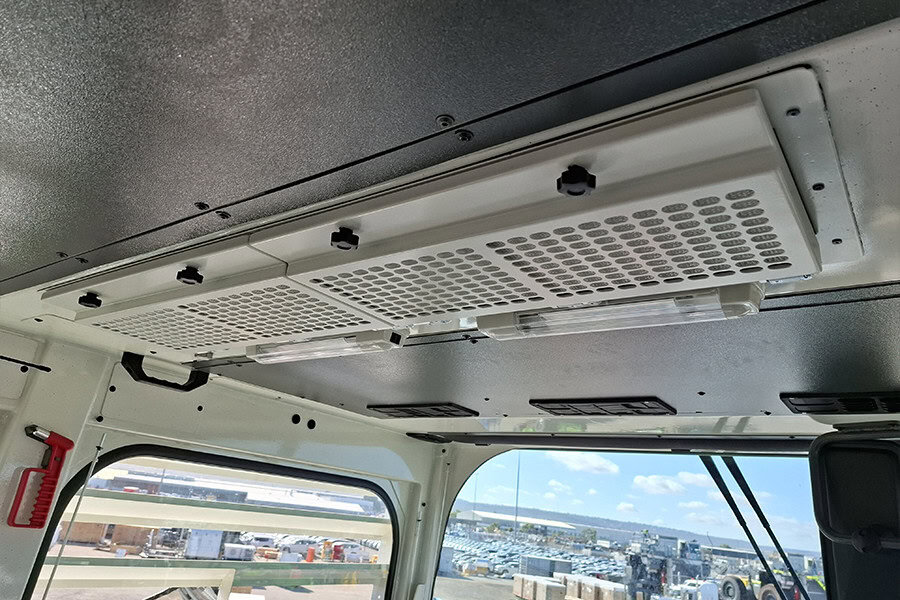
Liebherr Excavator R9400
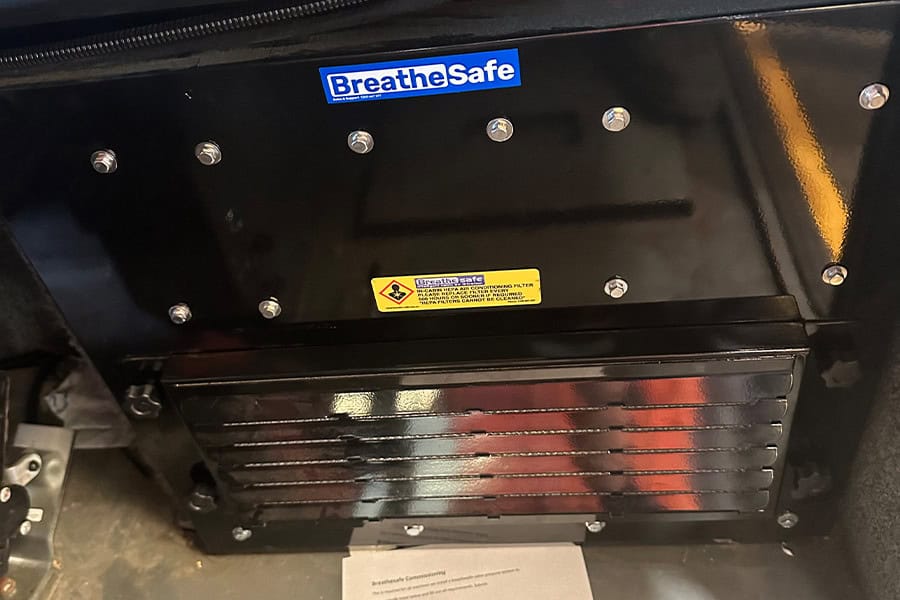
Komatsu Haul Truck 830E-1AC
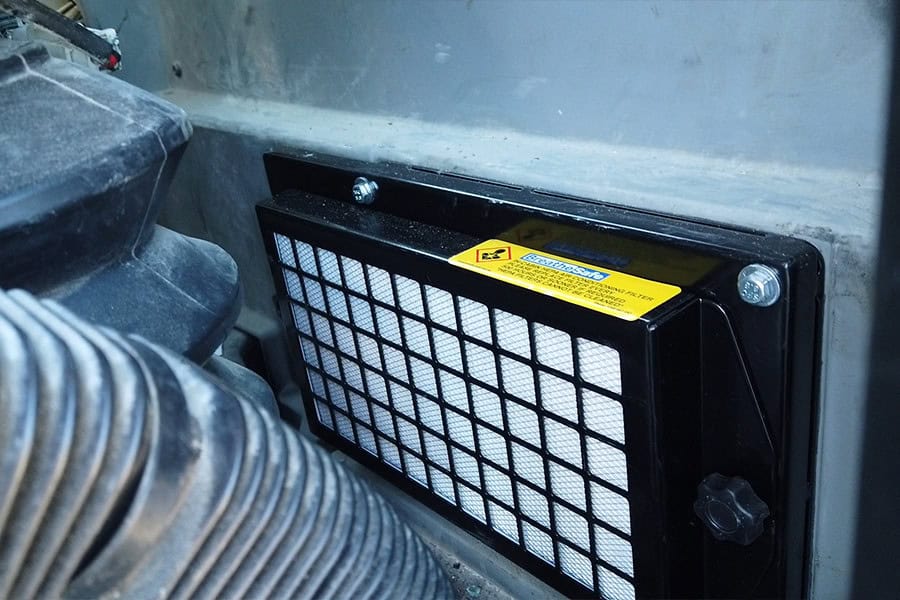
Caterpillar Excavator 325FL
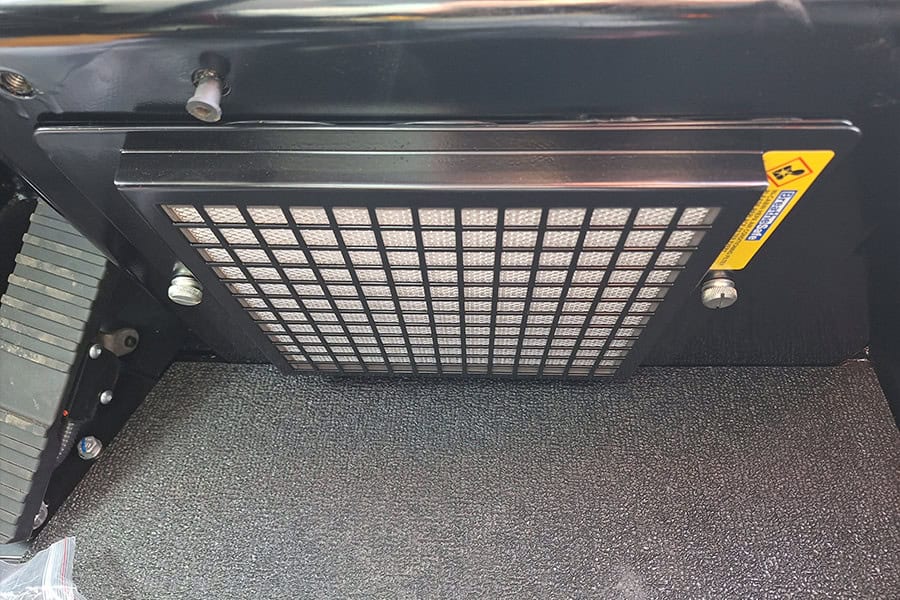
Caterpillar Haul Truck 785D
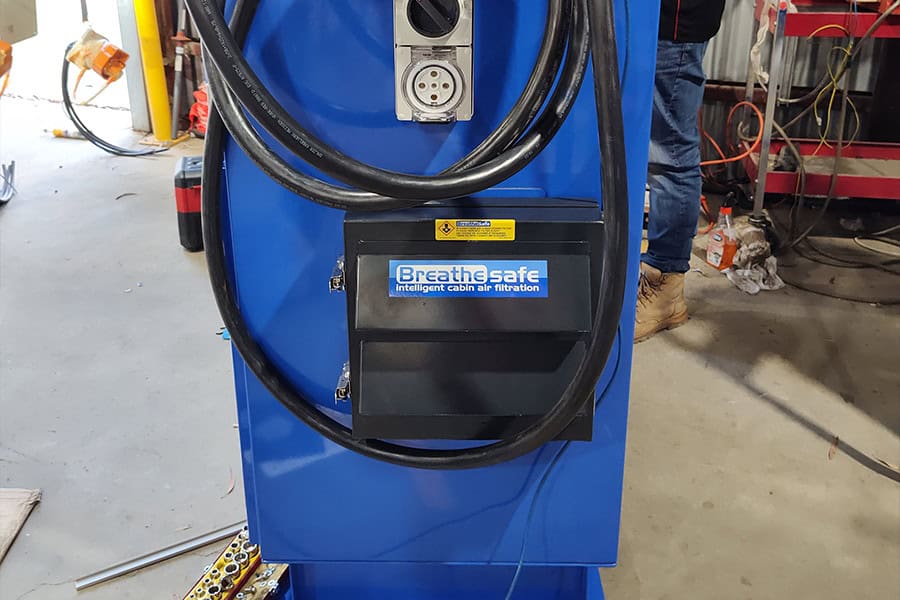
80kW Mine Charger
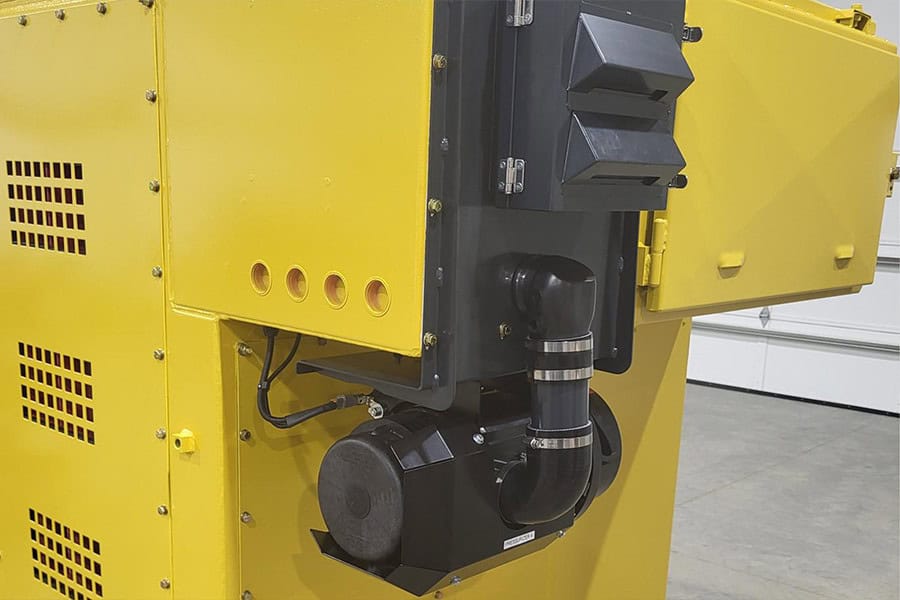
Komatsu 830E Arc Chute Cabinet
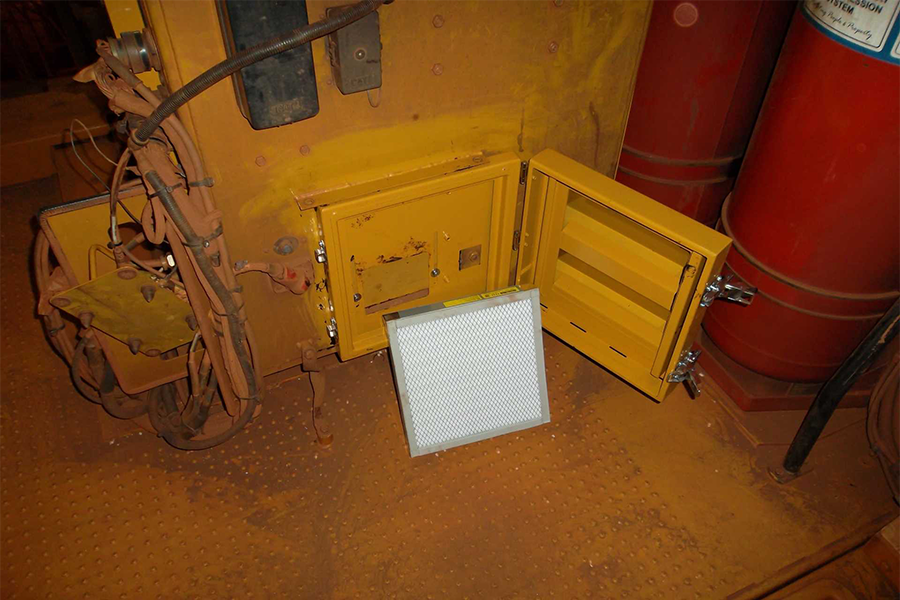
Caterpillar 793F Autonomous Cabinet
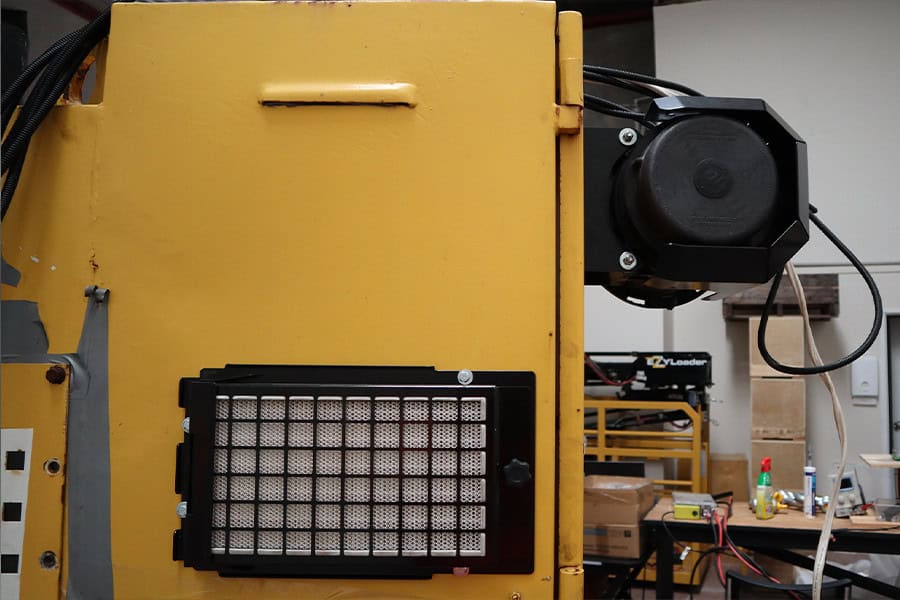
Komatsu 830E Electrical Cabinet
Features
Hover over the images to play the videos
HEPA H13 Filtration
Removing 99.95% of airborne particles at 0.3 microns, ensuring clean recirculation air.
Reduce Decay Time and Downtime
Quickly remove fine dust after door openings, reducing operator exposure and unplanned downtime.
Custom Assembly Kit
Durable custom aluminium housing with protective screen and sealing foam for secure installation.
Specification
Wide range of options built to fit various OEM designs. Common configurations shown below.
| Parameter | Value |
|---|---|
| Part Number | 500026 |
| Length | 407 mm |
| Width | 177 mm |
| Height | 49 mm |
| Compatible with | Komatsu 930E, Caterpillar 992/995NG, 60XX, 6040, 6060, 6090 Epiroc DML and more |
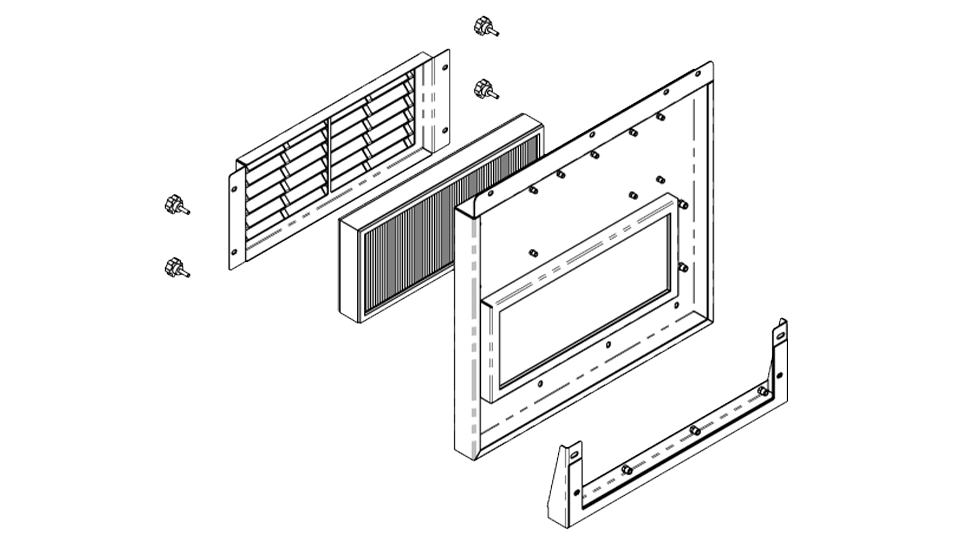
| Parameter | Value |
|---|---|
| Part Number | 500014 |
| Length | 280 mm |
| Width | 250 mm |
| Height | 31 mm |
| Compatible with | Komatsu WA900-3, WA600-8, HM400-5, WA500-6 and more |
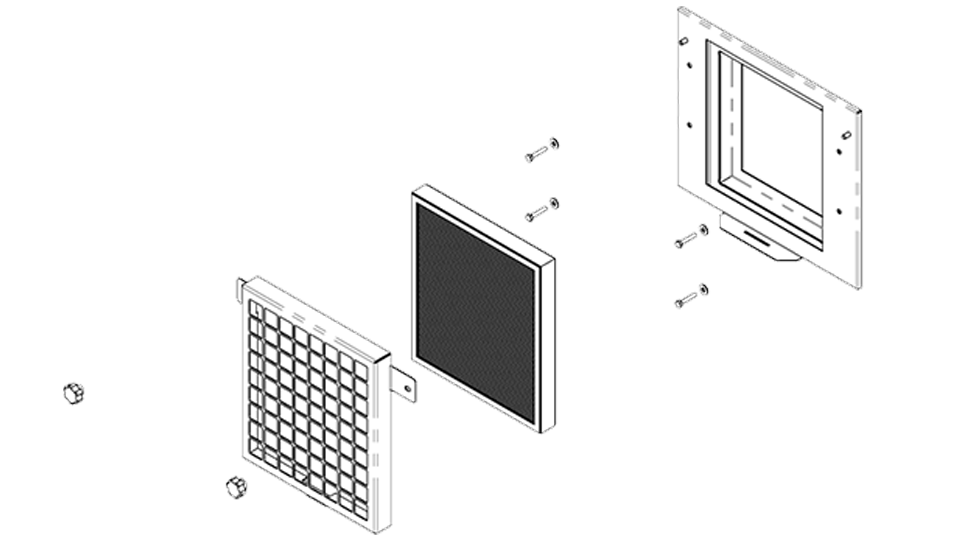
| Parameter | Value |
|---|---|
| Part Number | 500016 |
| Length | 285 mm |
| Width | 165 mm |
| Height | 31 mm |
| Compatible with | Komatsu HD785-7, HD605-7, WA470-8 Caterpillar 924K, 930K, 938K, 948K, 930M and more |
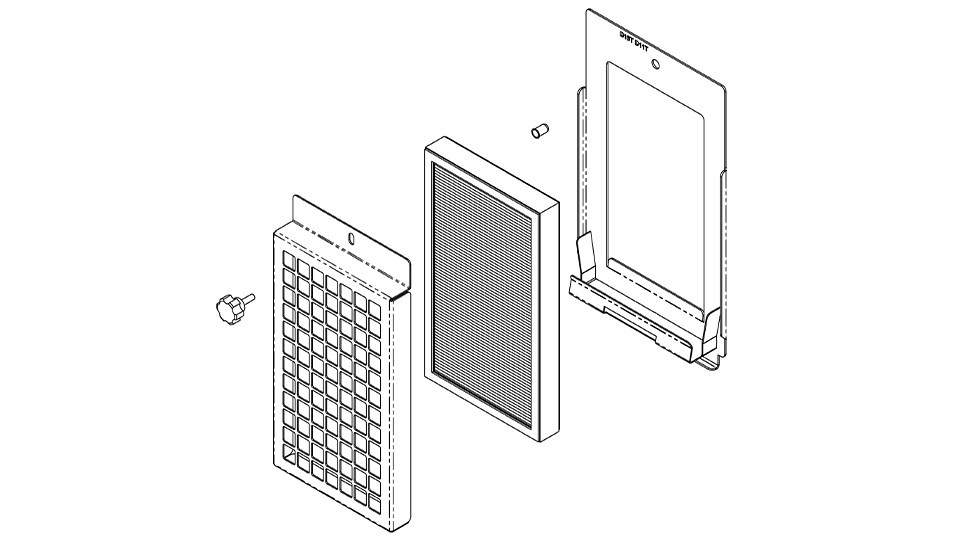
| Parameter | Value |
|---|---|
| Part Number | 500011 |
| Length | 270 mm |
| Width | 250 mm |
| Height | 51 mm |
| Compatible with | Caterpillar 789, 793, 854K, 992K, 993K, 994K Hitachi EH4000/5000-3 and more |
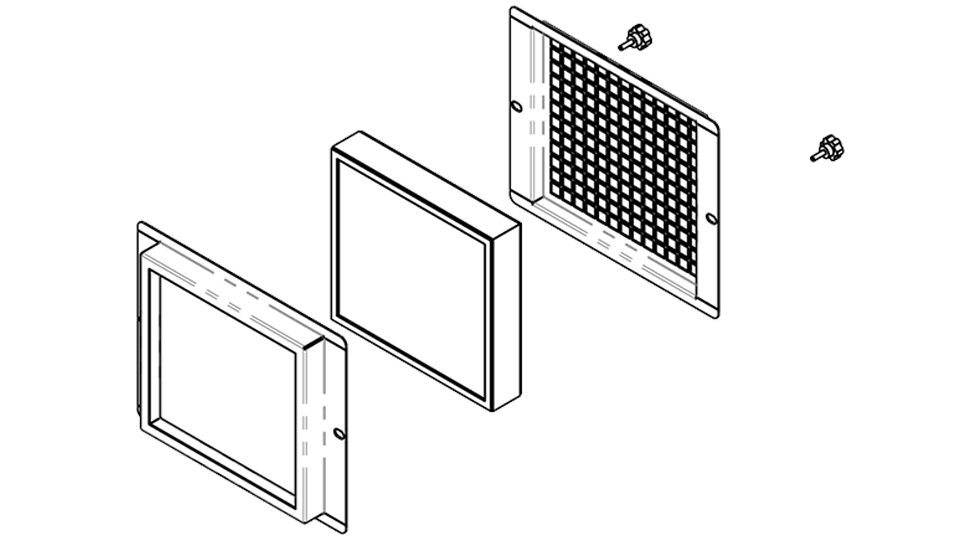
| Parameter | Value |
|---|---|
| Part Number | 500028 |
| Length | 485 mm |
| Width | 180 mm |
| Height | 56 mm |
| Compatible with | Liebherr R9400, R9800, Epiroc PV271, Komatsu HM300-2 and more |
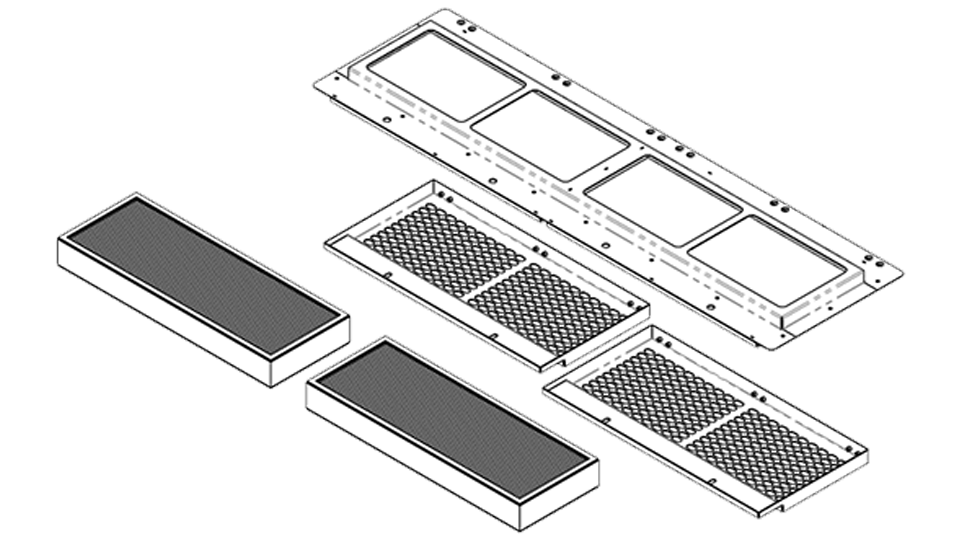
Frequently Asked Questions
What is a HEPA panel recirculation filter and why is it needed?
A HEPA panel recirculation filter (or return air filter) is a high-efficiency filter used within an air recirculation system to continuously filter air in pressurisation systems across different applications.
In an operator cabin pressurisation system, the HEPA panel filter is installed inside the cabin as part of the cabin air filtration system. It removes respirable silica dust, fine particulate (PM2.5), and airborne contaminants that are already present inside the cabin due to operator movement, door openings, and leaks.
In an electrical enclosure pressurisation system, HEPA panel filters are used at the enclosure outlet to prevent dust ingress when the system is not operating, protecting sensitive electrical components from contamination.
A HEPA panel recirculation filter is needed to:
- Maintain consistent cabin air quality in industrial environments
- Reduce internal dust buildup over time
- Protect the HVAC system from dust loading and premature failure
- Prevent contamination of critical components and airflow pathways
By combining HEPA filtration with an air recirculation system, panel filters support both operator protection and equipment reliability.
How does a HEPA recirculation filter work?
A HEPA recirculation filter works with the OEM evaporator fan by continuously drawing cabin air through a HEPA filter panel and returning clean air into the cabin. This creates a constant internal filtration airflow that continuously scrubs the cabin air.
This process reduces the concentration of respirable silica dust, PM2.5, diesel particulate, and airborne contaminants that accumulate during normal operation.
Unlike fresh air filtration, which treats incoming air, a recirculation filter focuses on cleaning the air already inside the cabin. This is essential because contaminants can still enter through operator activity, door openings, and system leakage.
By continuously filtering and recirculating air, the system can significantly reduce the decay time of airborne particles, allowing the cabin to return to safe air quality levels more quickly after contamination events.
Reducing decay time is a key performance factor under ISO 23875, where maintaining low particle concentration and rapid recovery of cabin air quality is critical for effective operator protection.
What particles can a HEPA recirculation filter remove?
A HEPA recirculation filter used in an air recirculation system is highly effective at removing a wide range of fine and hazardous airborne particles, including:
- Respirable silica dust
- Coal dust and mineral dust
- Diesel particulate matter (DPM)
- Fine particulate (PM2.5)
- Airborne contaminants and nuisance dust
These particles can still accumulate inside the cabin even when a cabin pressurisation system is in use. Dust can be introduced through operator clothing, entering and exiting the cabin, door openings, leaks, or an unclosed window.
A HEPA recirculation filter continuously cleans the internal air, helping maintain consistent cabin air quality and reducing the buildup of harmful airborne particles over time.
How often do I need to replace HEPA panel recirculation filters?
Do I need a recirculation filter if I already have a pressuriser?
A cabin pressurisation system prevents dust and contaminants from entering the cabin, but it does not remove airborne particles already inside.
A HEPA recirculation filter, used within an air recirculation system, works alongside the pressuriser to continuously clean the internal air. It helps to:
- Continuously scrub and filter cabin air using HEPA filtration
- Reduce particle buildup from silica dust, PM2.5, and airborne contaminants
- Reduce cabin decay time, allowing air quality to recover faster after contamination events
- Maintain consistent cabin air quality in industrial environments
Both a HEPA pressuriser and a HEPA air recirculation system are required to achieve optimal operator protection and maintain effective cabin air filtration performance.
Video Support
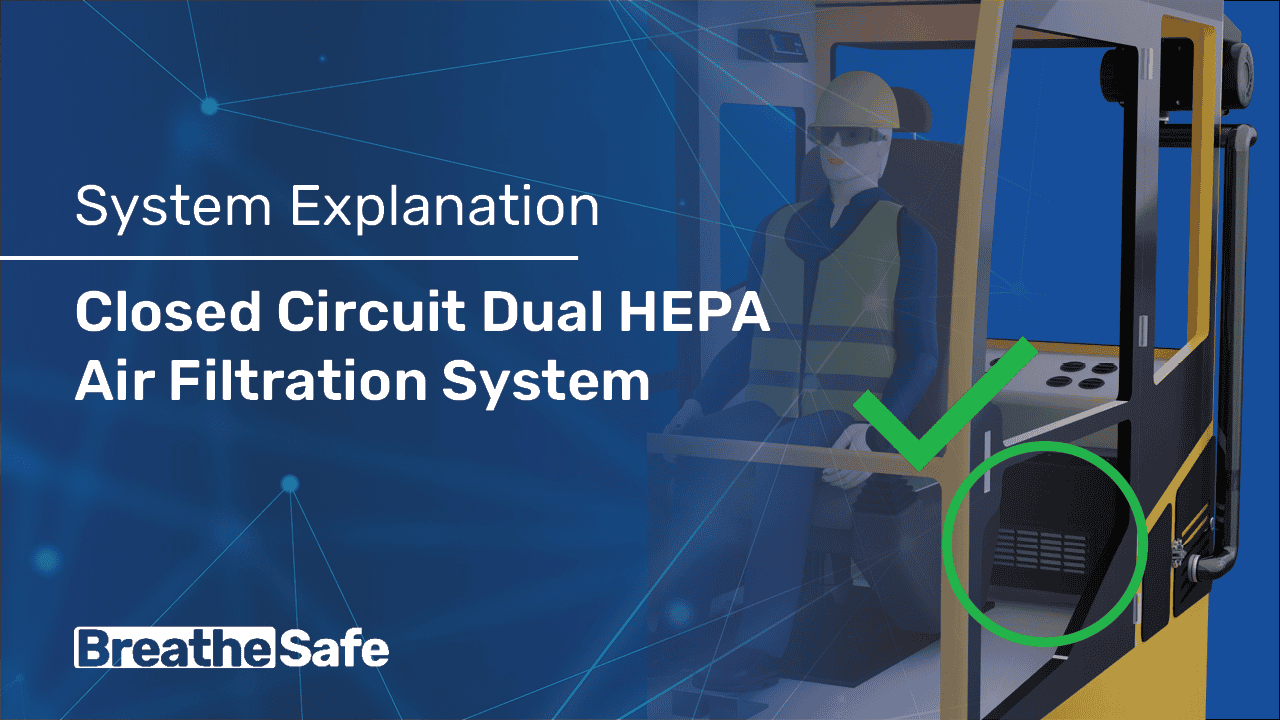
Best Cabin Filtration System Setup
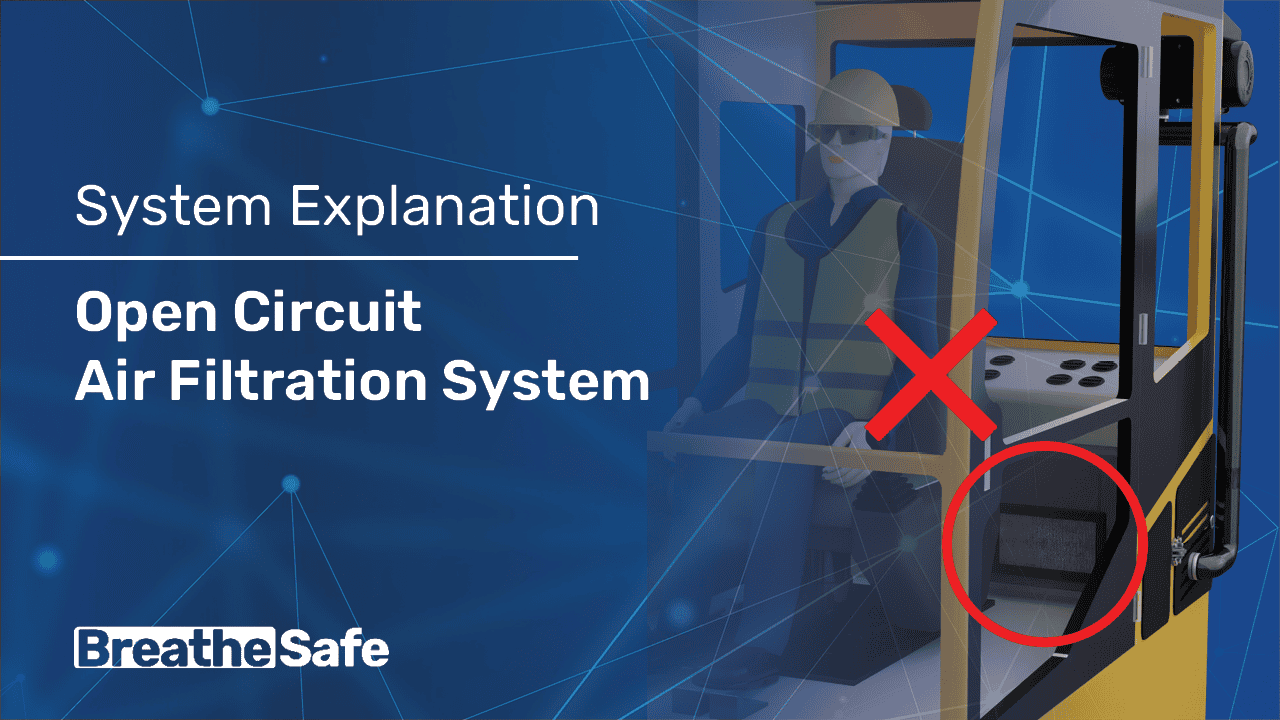
Why you need HEPA Return Air Filter
BreatheSafe System Explanation
Related Products
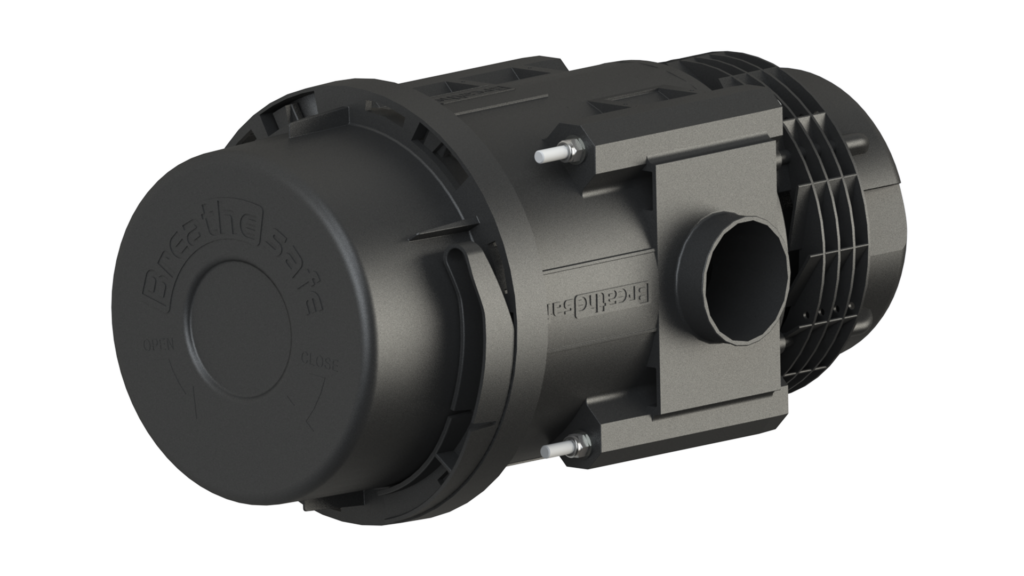
High-Pressure HEPA Pressuriser
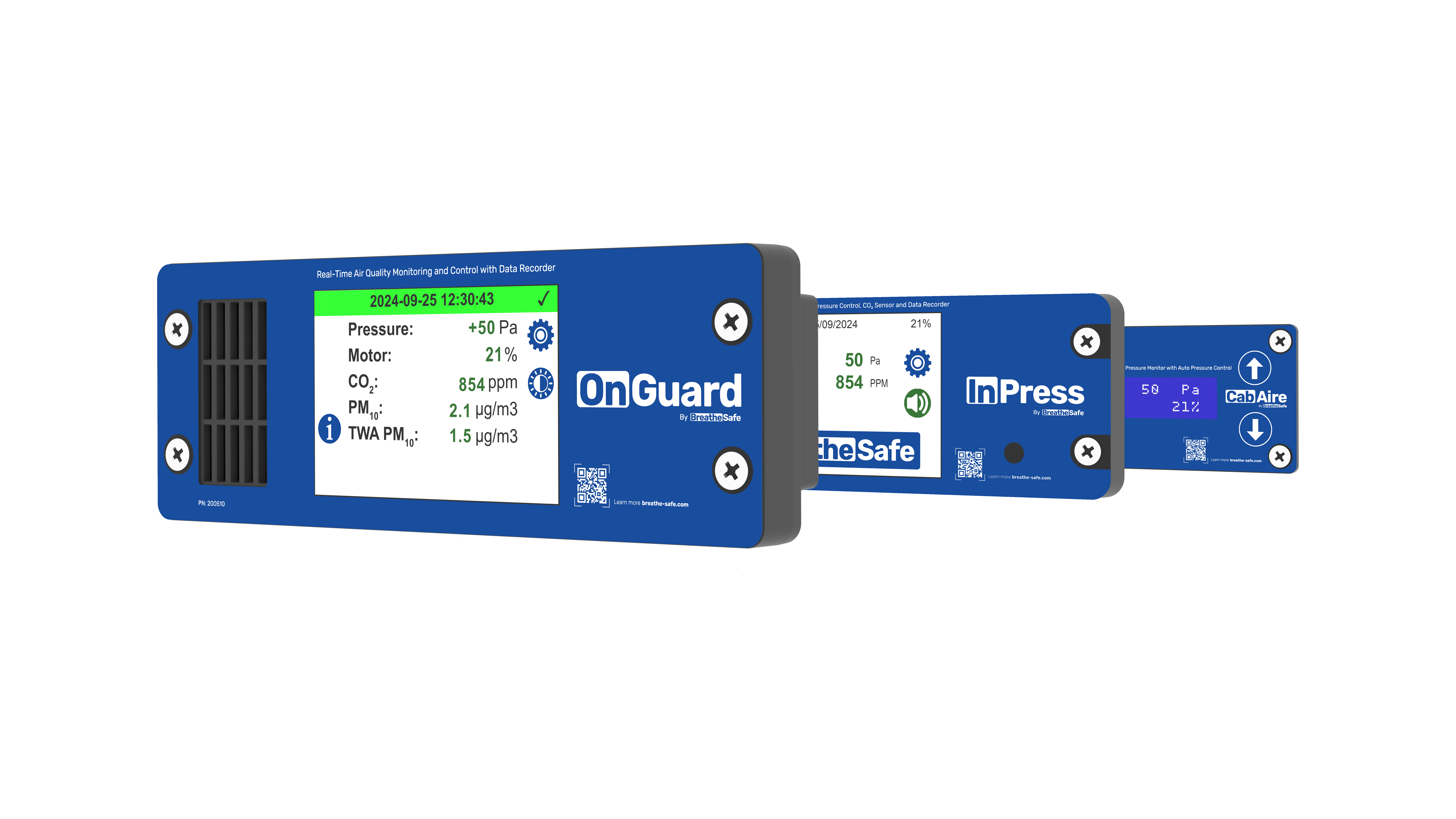
Air Quality Controllers
Powered Recirculation Filter