
Electrical Enclosure Pressurisation Systems Guide
Dust ingress, heat buildup, and reactive maintenance are some of the most common reasons electrical enclosures fail on industrial sites. A well-designed electrical enclosure pressurisation system helps maintain a cleaner internal cabinet environment, reducing downtime, maintenance costs, and contamination-related failures.
Electrical enclosures protect sensitive components, but in harsh industrial environments, cabinets can still fail due to dust ingress, heat buildup, moisture, poor airflow, worn seals, and repeated maintenance exposure. Once contamination enters, it can affect PLCs, drives, relays, terminals, power supplies, switchgear, and other critical electrical hardware.
The result of contamination inside an enclosure can increase the risk of arc flash, electric shock, equipment failure, and costly downtime. Many sites respond by opening cabinet doors, blowing out dust, adding fans, replacing seals, or increasing manual cleaning. These methods may offer short-term relief, but they often disturb settled dust, increase respiratory hazards, and expose maintenance crews to higher safety risks when working near energised equipment.
This guide explains why electrical enclosures fail, why traditional cabinet protection methods are often not enough, and how an electrical enclosure pressurisation system can help create a cleaner, cooler, and safer cabinet environment.
Let's get into it.
Why Do Electrical Enclosures Fail in Industrial Environments?
Electrical enclosure failure is often caused by a combination of contamination, heat, moisture, vibration, and poor airflow control. On dusty industrial sites, the enclosure may look closed from the outside, but fine airborne particles can still enter through cable penetrations, door seals, vents, glands, maintenance openings, and small gaps in the cabinet structure.
Over time, this contamination builds up on electrical components and reduces cabinet reliability. Dust can settle on circuit boards, relays, terminals, variable speed drives, PLC hardware, power supplies, and communication equipment — increasing the risk of electrical faults, overheating, nuisance trips, corrosion, and premature component failure.
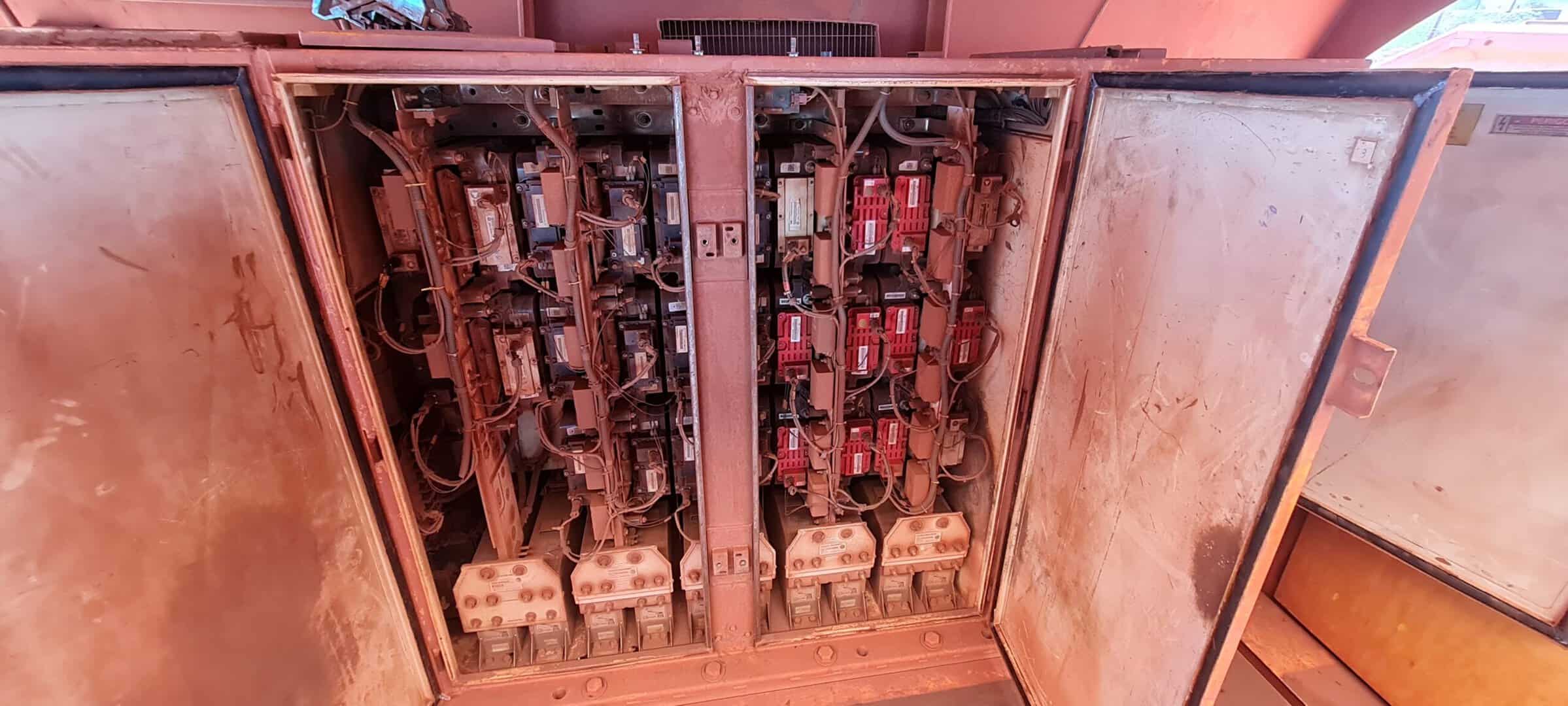
Dust Ingress Is One of the Main Causes of Cabinet Failure
Dust ingress is one of the most common problems for electrical enclosures used in mining, quarrying, crushing, bulk handling, manufacturing, and heavy industrial environments. Fine dust can stay airborne for long periods and gradually work its way into cabinets that rely only on passive sealing.
Once inside, dust can trap heat, absorb moisture, create conductive pathways, and interfere with sensitive electrical hardware. This makes contamination control a critical part of long term electrical reliability.
Heat Buildup Can Damage Sensitive Components
Electrical cabinets often contain heat generating components such as PLCs, variable speed drives, transformers, relays, circuit protection devices, power supplies, and communication equipment. If heat is trapped inside the enclosure, component temperatures can rise beyond ideal operating limits.
Excessive internal heat can lead to nuisance trips, reduced component lifespan, unstable system performance, and unexpected shutdowns. In many cases, heat and dust work together — dust buildup reduces heat transfer, while poor airflow allows internal temperatures to climb.
Why Common Electrical Cabinet Protection Methods Often Fall Short
When an electrical enclosure starts overheating or collecting dust, the first response is often reactive maintenance. Technicians may open the cabinet door, blow out dust, clean components, replace filters, or add basic ventilation. These actions may help temporarily, but they do not always prevent the same problem from returning.
For harsh industrial sites, cabinet protection needs to control the internal environment continuously. A cabinet that is cleaned only after contamination has entered is still exposed to the same failure conditions.
Opening Cabinet Doors Can Increase Contamination
Opening cabinet doors may seem like a quick way to cool the enclosure or inspect components, but it exposes the internal cabinet environment directly to site dust, moisture, and airborne contamination. In high dust areas, even a short period with the door open can allow fine particles to settle on sensitive electrical hardware.
The cabinet may appear cleaner after maintenance, but the internal components have still been exposed to the surrounding site environment. This can turn a cooling or inspection task into a contamination issue.
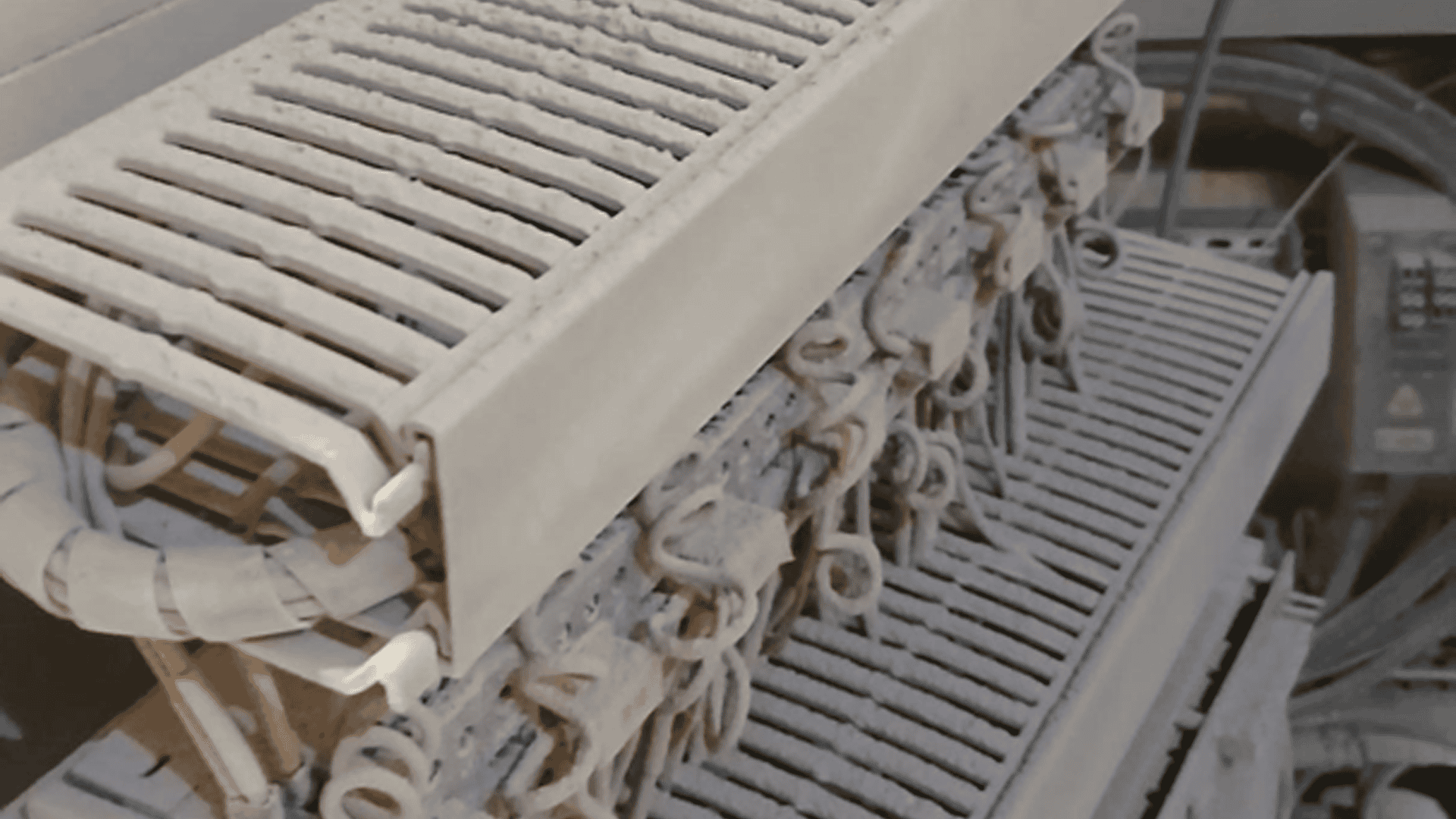
Manual Blow Outs Are Reactive and Can Increase Safety Risk
Blowing out dust removes visible contamination but does not stop new dust from entering, and it can drive fine particles deeper into components, connectors, and terminals. It is a cleanup task, not a prevention strategy.
There are also safety considerations. Blow outs require opening cabinets near energised equipment, exposing personnel to arc flash and electric shock hazards. Where cabinets have been exposed to silica dust, coal dust, metal dust, or other harmful contaminants, compressed air can also force fine particles into the worker's breathing zone, creating a respiratory hazard for maintenance crews.
A more effective approach is to reduce dust ingress before it builds up, minimising the need for frequent cabinet access and reactive cleaning in the first place.
Sealed Cabinets Alone May Not Be Enough
Cabinet seals are important, but they are not always enough for long term protection in harsh operating conditions. Seals can wear, doors can move, cable penetrations can leak, and pressure changes can draw contaminated air into the cabinet.
A sealed enclosure is still passive — it depends on the cabinet staying perfectly closed and sealed over time. In real site conditions, this is difficult to maintain.
How Electrical Enclosure Pressurisation Helps Prevent Cabinet Failure
An electrical enclosure pressurisation system protects the cabinet by supplying filtered air into the enclosure and maintaining a slight positive pressure inside. This means the internal cabinet pressure is kept higher than the surrounding atmosphere.
Instead of allowing dusty external air to be drawn inward through gaps, the system encourages filtered air to move outward. This pressure difference helps reduce dust ingress and creates a cleaner internal environment for electrical components.

Positive Pressure Helps Keep Dust Out
Positive pressure is one of the key advantages of an enclosure pressurisation system. When filtered air is continuously supplied into the cabinet, small leaks and gaps are less likely to become entry points for contaminated air.
This is especially important for cabinets exposed to crushers, conveyors, haul roads, wash plants, drilling areas, processing plants, and other high dust zones. Instead of depending only on sealing, the cabinet is actively protected by controlled airflow.
Filtered Airflow Supports a Cleaner Internal Cabinet Environment
Enclosure pressurisation systems use filtration to clean the incoming air before it enters the cabinet. This helps reduce the amount of fine dust and airborne contamination reaching sensitive electrical hardware.
Cleaner internal air can help reduce dust buildup on terminals, circuit boards, drives, relays, power supplies, and control equipment. This supports better reliability and reduces the need for repeated manual cleaning.
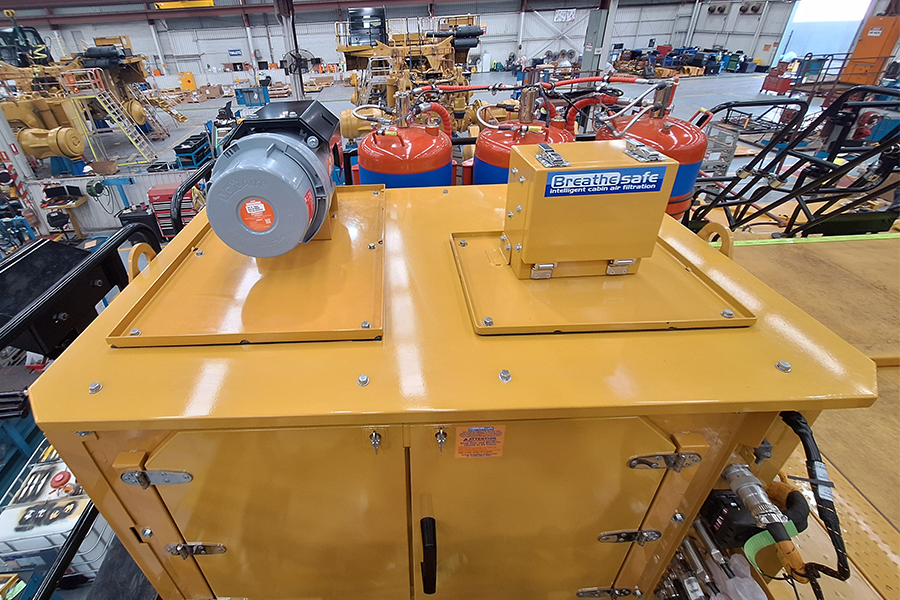
Controlled Airflow Helps Manage Heat
Electrical enclosure pressurisation can also support internal temperature control by introducing continuous filtered airflow. This helps reduce stagnant hot air and supports a more stable operating environment for heat sensitive components.
Controlled filtered airflow can help reduce the risk of heat buildup compared with a fully passive cabinet — supporting better uptime for critical electrical equipment.
Unlike open door cooling, pressurisation maintains a clean internal environment continuously with no door access required, no contamination exposure. Unlike manual blow outs, it reduces dust before it enters rather than removing it after the damage is already building. And unlike passive sealing, it does not degrade silently over time. Filtered positive pressure airflow is active, continuous protection, proven by harsh mining environment.
Where Are Electrical Enclosure Pressurisation Systems Commonly Used?
Electrical enclosure pressurisation systems are commonly used in environments where electrical cabinets are exposed to high dust levels, heat, moisture, vibration, and remote operating conditions.
They are especially valuable when electrical reliability is critical to machine uptime, production continuity, safety systems, automation, and site operations.

The most common applications are in mining, quarrying, crushing, screening, and bulk handling, the environments where fine airborne dust from haul roads, conveyors, crushers, and processing equipment creates continuous contamination risk for any exposed electrical cabinet. Mobile equipment, fixed plant, control panels, and remote electrical infrastructure in these settings all benefit from active enclosure protection.
Beyond high dust sites, remote field equipment, process control systems, pump stations, smelters, and high temperature industrial zones all need air pressurisation systems. These environments combine contamination risk with elevated ambient temperatures and difficult access, where a cabinet fault means significant maintenance costs, troubleshooting time, and production loss. In all of these cases, pressurised filtered airflow provides a level of protection that passive sealing and reactive maintenance cannot reliably deliver.
VoltAire SolutionFive Key Takeaways
- 1 Electrical enclosures can fail even when they appear sealed. Fine dust, moisture, and heat can still enter through small gaps, worn seals, cable penetrations, vents, and maintenance openings.
- 2 Dust ingress can cause serious reliability problems. Dust buildup can affect circuit boards, relays, terminals, drives, PLCs, and power supplies — increasing the risk of overheating, nuisance trips, faults, and premature component failure.
- 3 Open cabinets and blow outs do not solve the root cause. They can expose the enclosure to more contamination and may increase worker exposure to electrical hazards around energised equipment.
- 4 Positive pressure helps stop dirty air from entering. An electrical enclosure pressurisation system uses filtered airflow to maintain positive pressure inside the cabinet, helping push air outward instead of allowing dusty air to move inward.
- 5 Pressurisation is a proactive long term protection method. By reducing dust ingress and supporting cleaner internal airflow, pressurisation helps improve cabinet reliability, reduce maintenance pressure, and support better equipment uptime.
Wrapping up
Protect Electrical Enclosures Before Dust and Heat Cause Failure
If your site is dealing with dusty electrical cabinets, repeated blow outs, open cabinet cooling, heat related trips, or contamination related faults, an electrical enclosure pressurisation system can provide a more proactive protection method.
VoltAire is designed to help protect industrial electrical enclosures by supplying filtered airflow and maintaining positive pressure inside the cabinet. This helps reduce dust ingress, support cleaner internal conditions, and improve long term electrical reliability in harsh operating environments.
Rather than reacting to contamination after it has caused a fault, VoltAire enclosure pressurisation works continuously to keep your cabinets cleaner, cooler, and more reliable from the moment it is installed.
View SolutionShare on
In this guide
Understand why enclosures fail See why common methods fall short Discover how pressurisation helps Find where systems are used Review the key takeaways Protect your cabinets nowNeed a pressurisation system for your electrical enclosure?
Talk to our team about the right solution for your site environment.
Get in touch