
TL HEPA Air Pressuriser
Ensure Clean Air and Safety in Dusty Environments
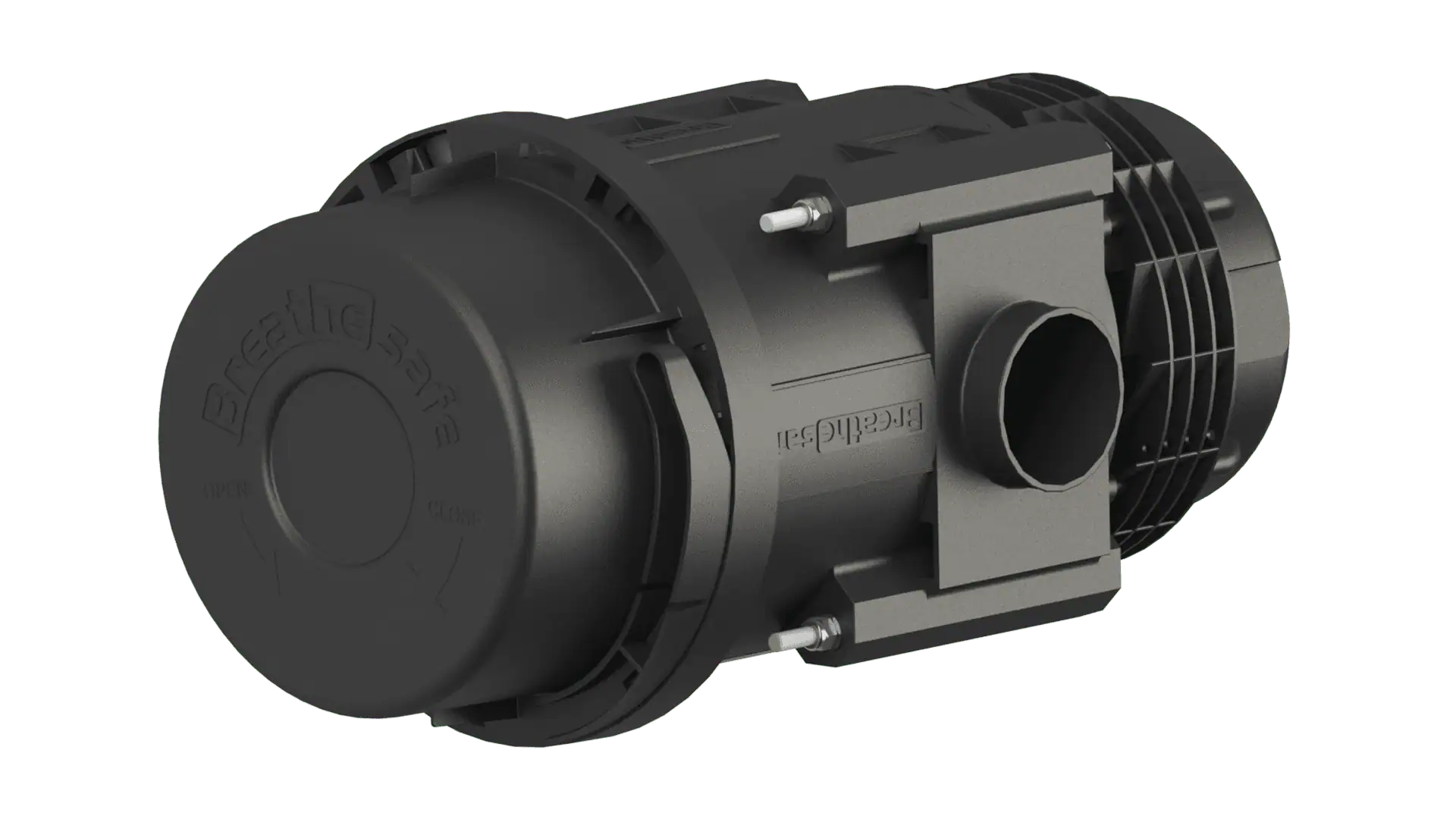
Hover over the image to see 360 view
TL HEPA Air Pressuriser
Ensure Clean Air and Safety in Dusty Environments
Engineered for high-performance cabin pressurisation, it delivers clean, HEPA-filtered air while maintaining stable positive pressure in the toughest environments.
With a variable speed motor and full integration with any BreatheSafe controller, it enables intelligent pressure control, optimising airflow for maximum filtration efficiency and consistent operator protection across a wide range of machines.
Available in 12 V and 24 V configurations
Applications

Operator Cabin Pressurisation

Electrical Enclosure Pressurisation

Clean Room Pressurisation
Gallery
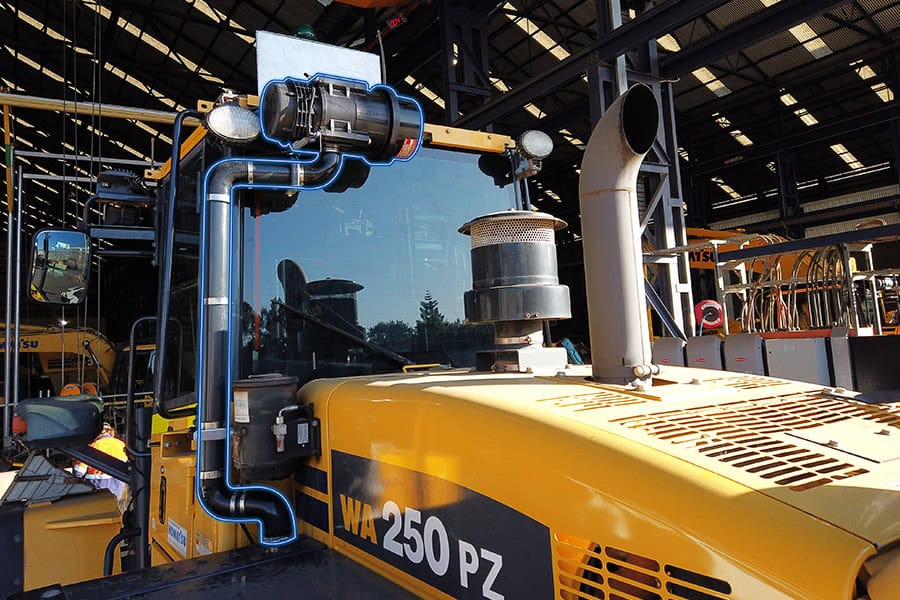
Komatsu Wheel Loader WA250PZ
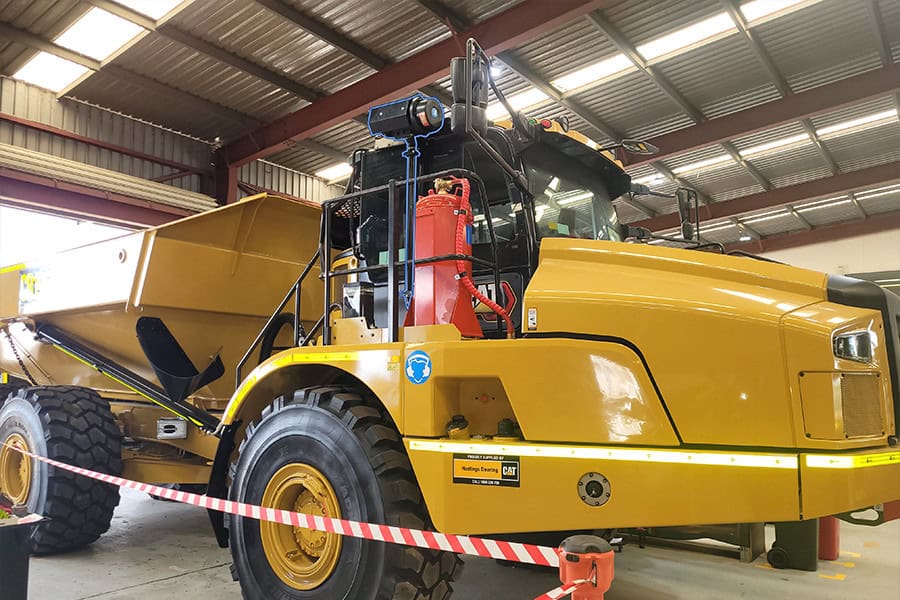
Caterpillar Articulated Truck 745
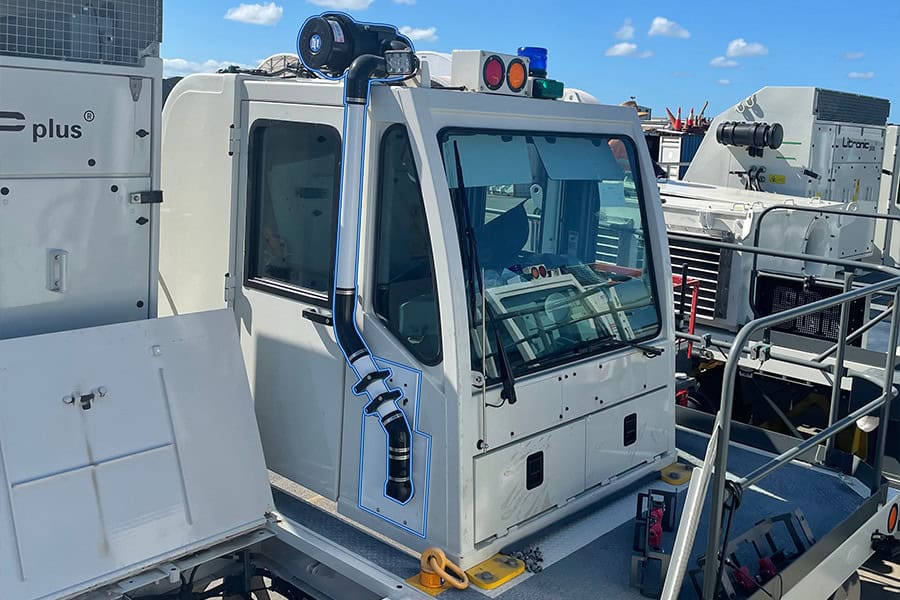
Liebherr Mining Truck T264
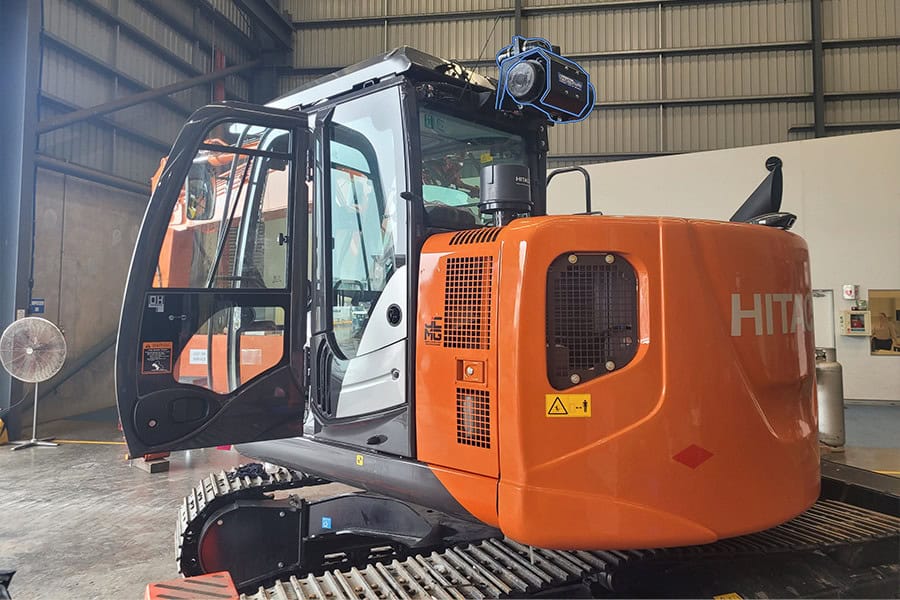
Hitachi Excavator ZX135US-5
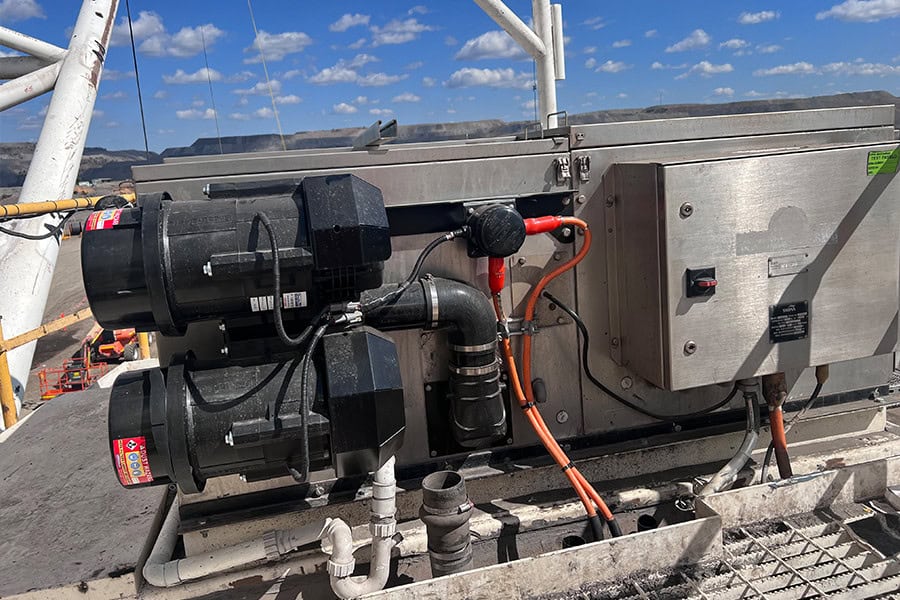
Dragline Excavator
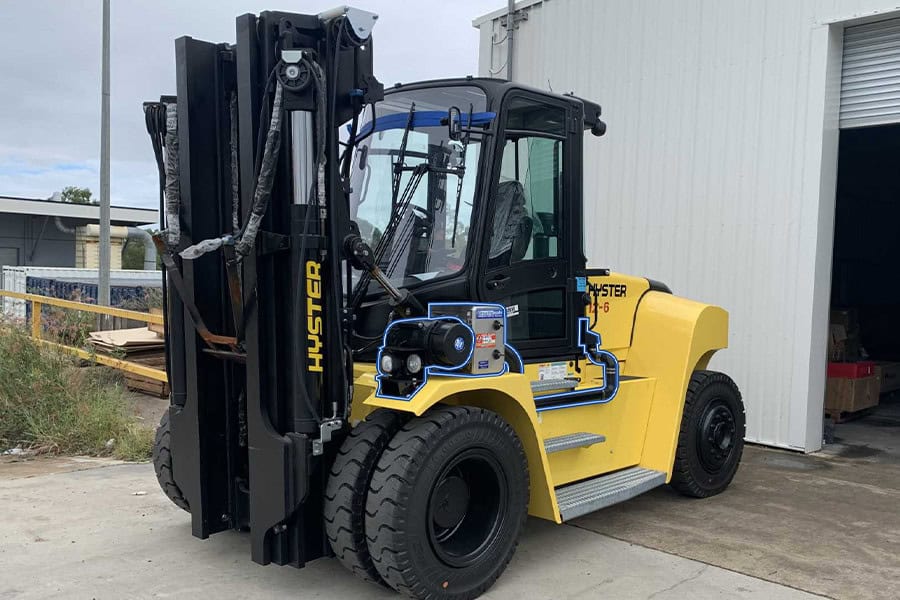
Hyster Forklift H12XM-6
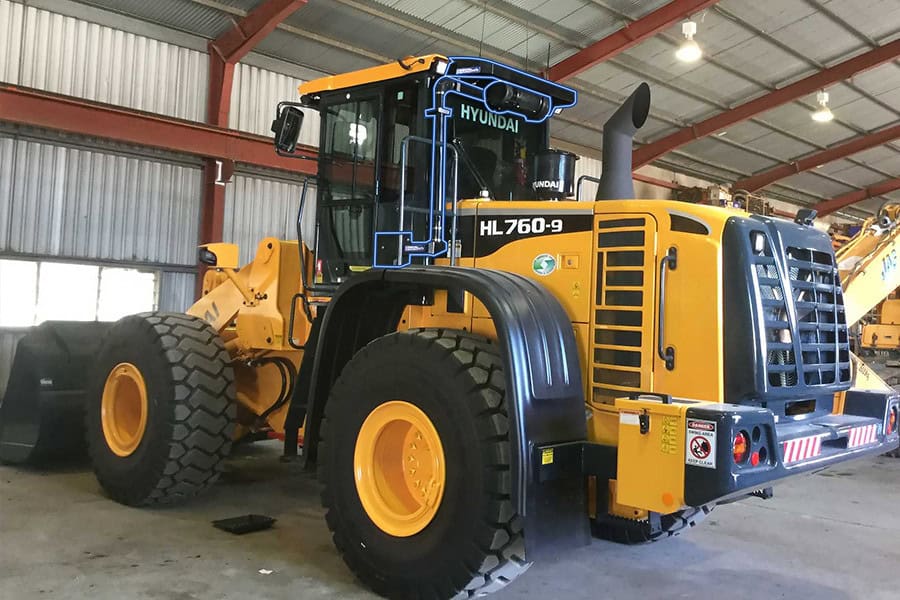
Hyundai Wheel Loader HL760-9
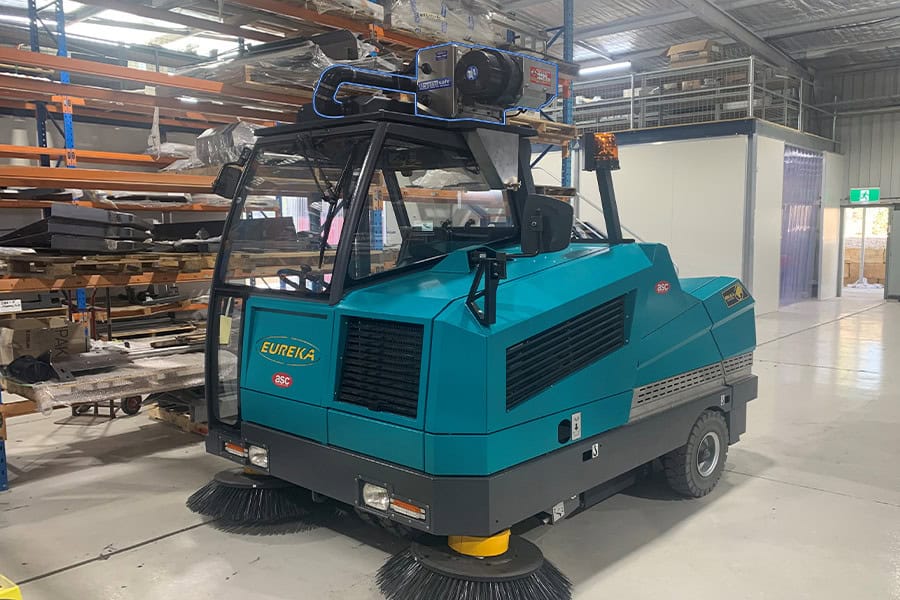
ASC Eureka Sweeper M8
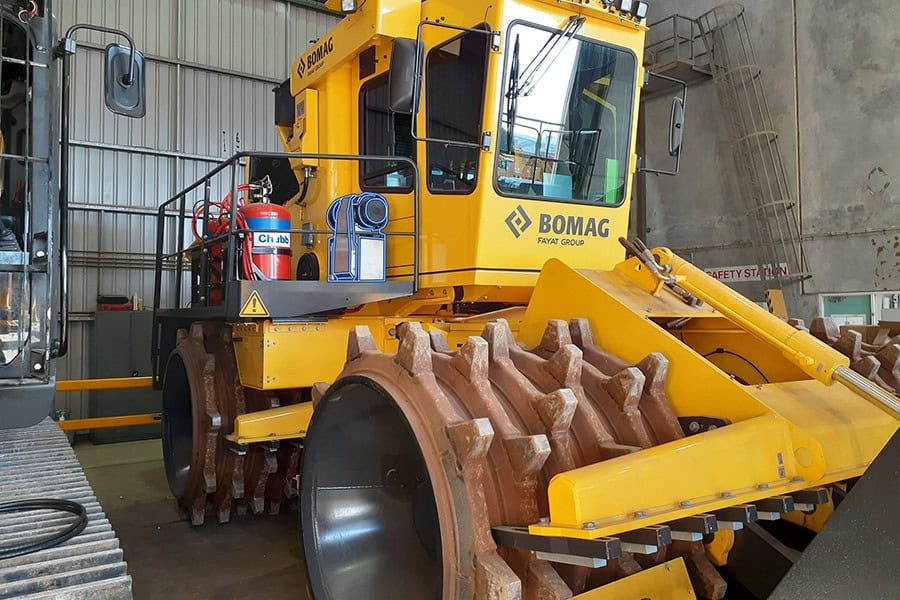
Bomag Compactor BC772RB2
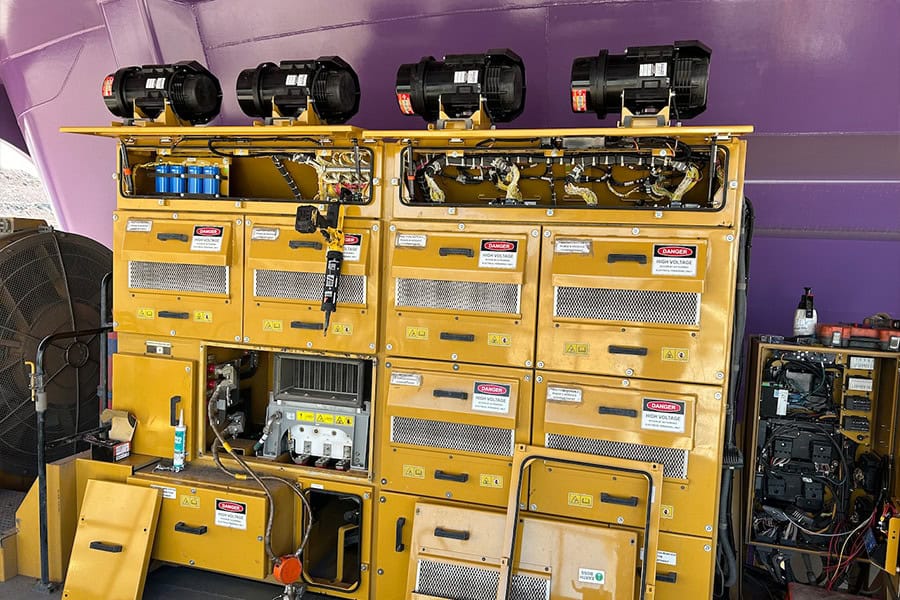
Caterpillar 796AC Electrical Cabinet
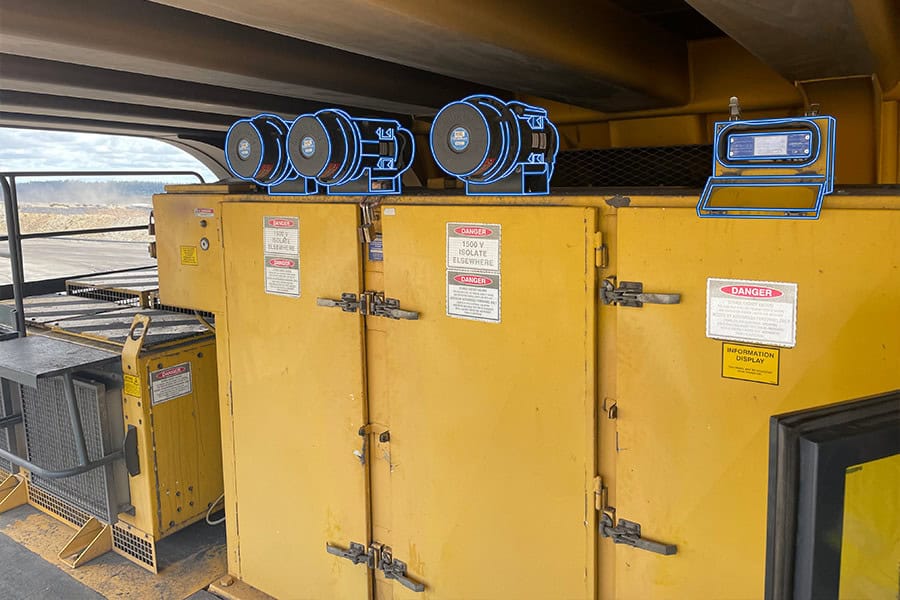
Komatsu 830E Electrical Cabinet
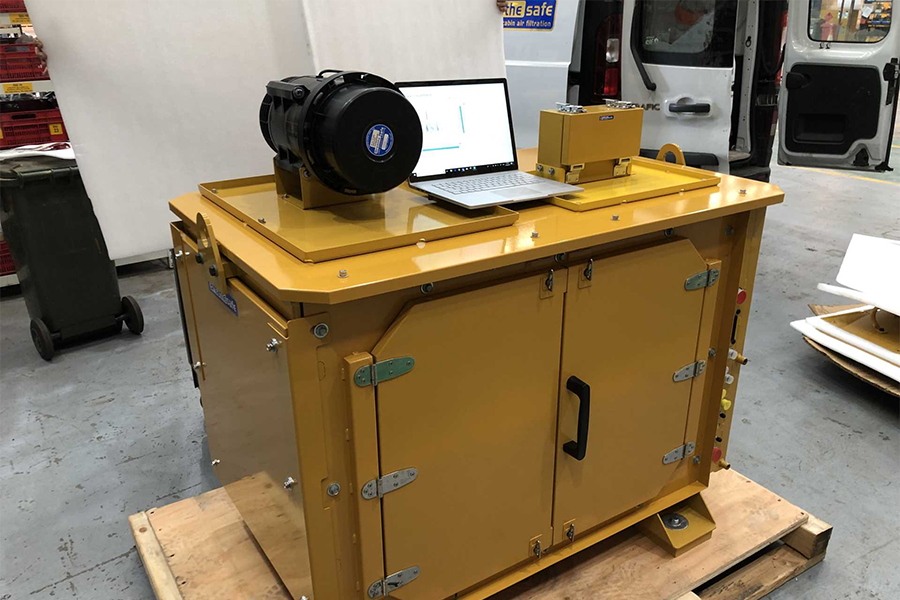
Caterpillar 793F Electrical Cabinet
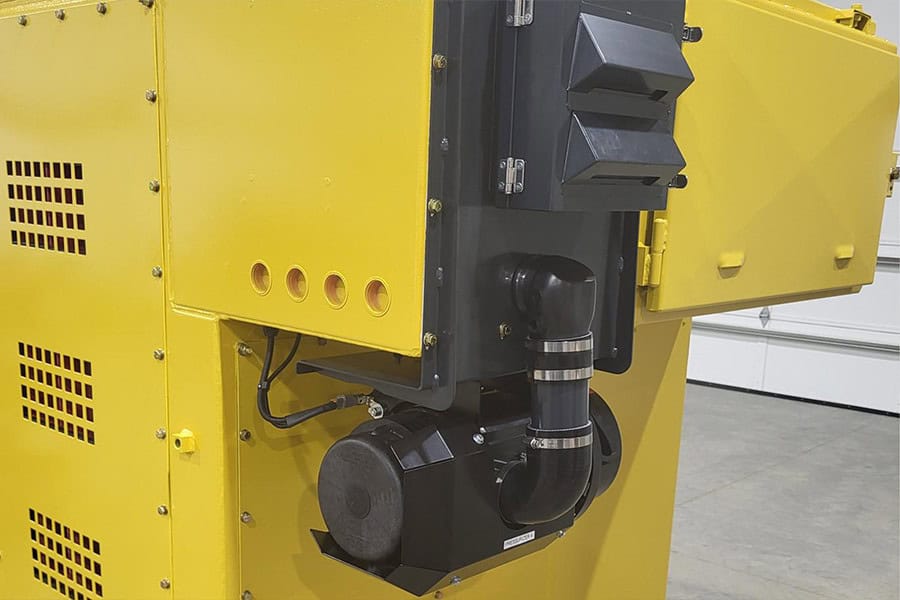
Komatsu 830E Arc Chute Cabinet
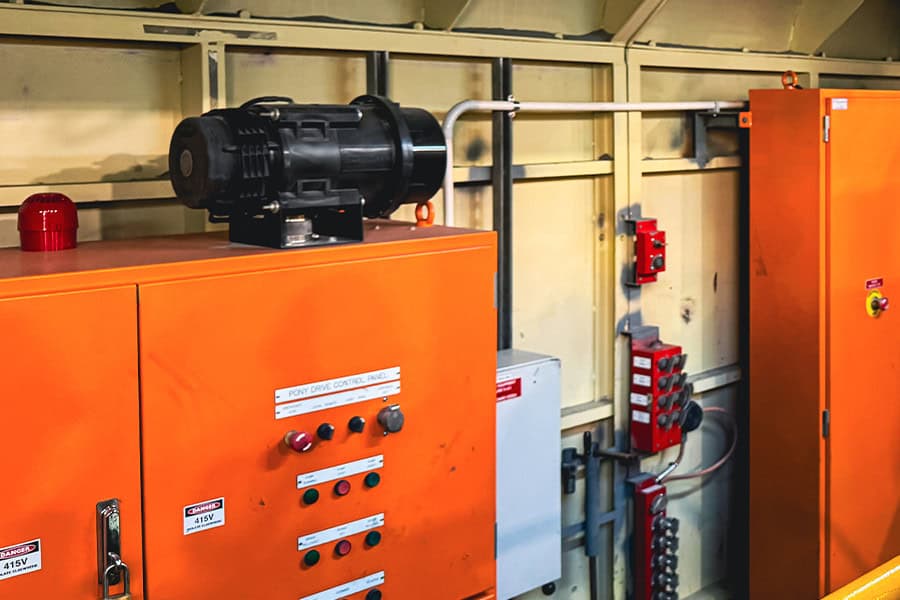
Dragline Electrical Cabinet
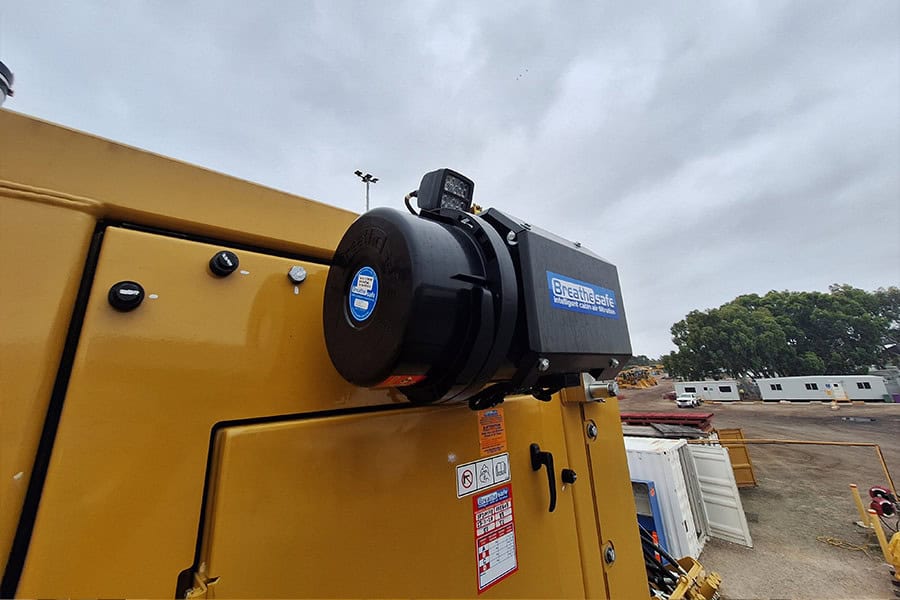
Caterpillar 6020B Electrical Cabinet
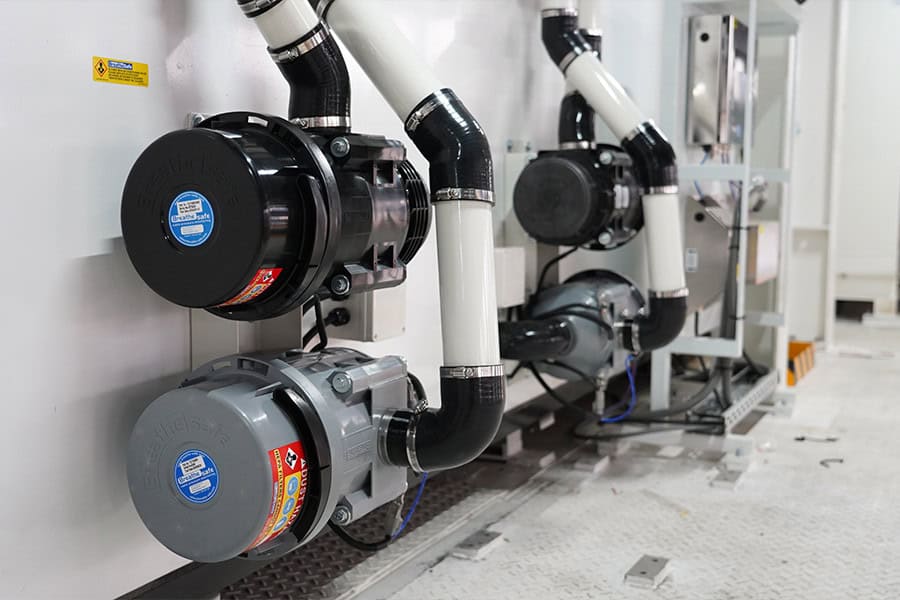
TBM Control Room (Tunnelling)
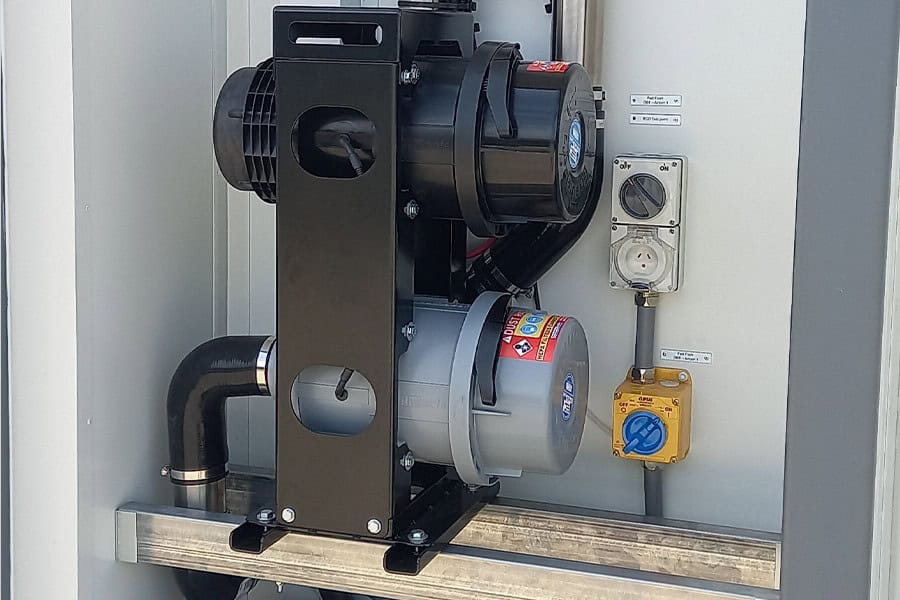
Container Clean Room
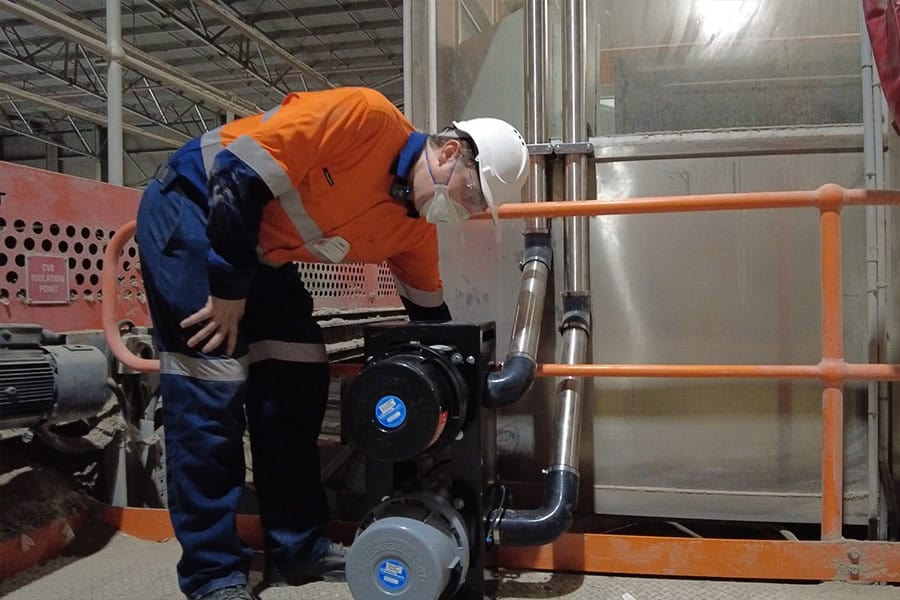
Control Room (Recycling)
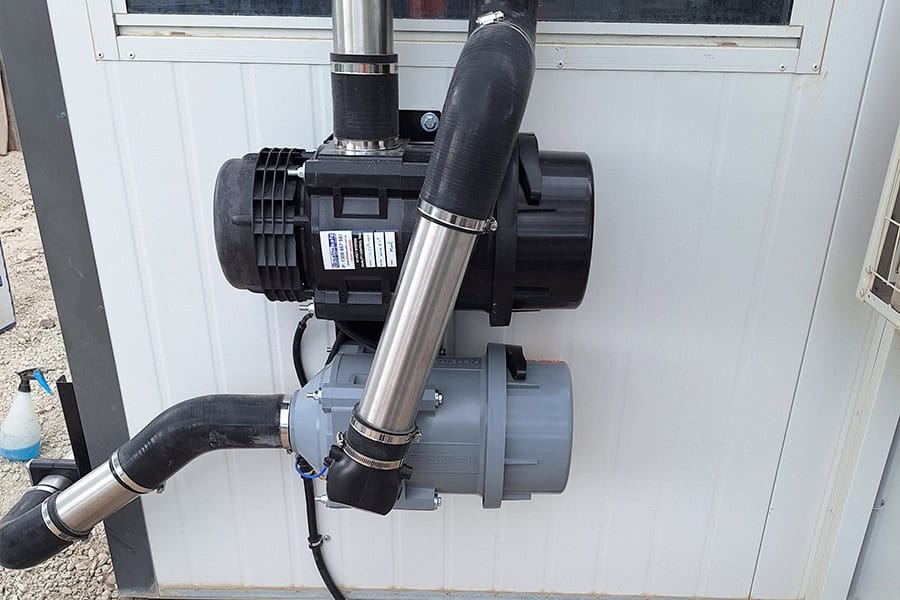
Control Room (Recycling)
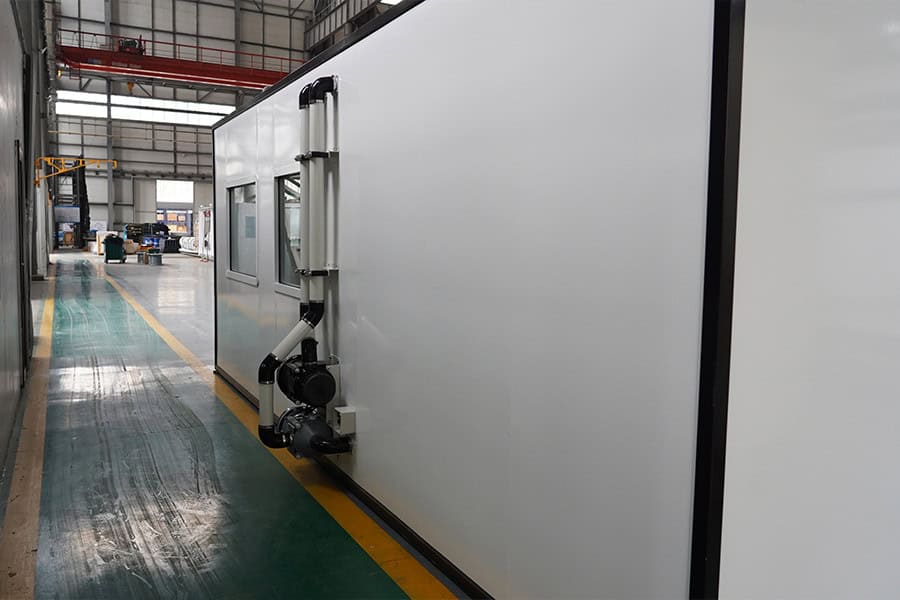
TBM Break Room (Tunnelling)
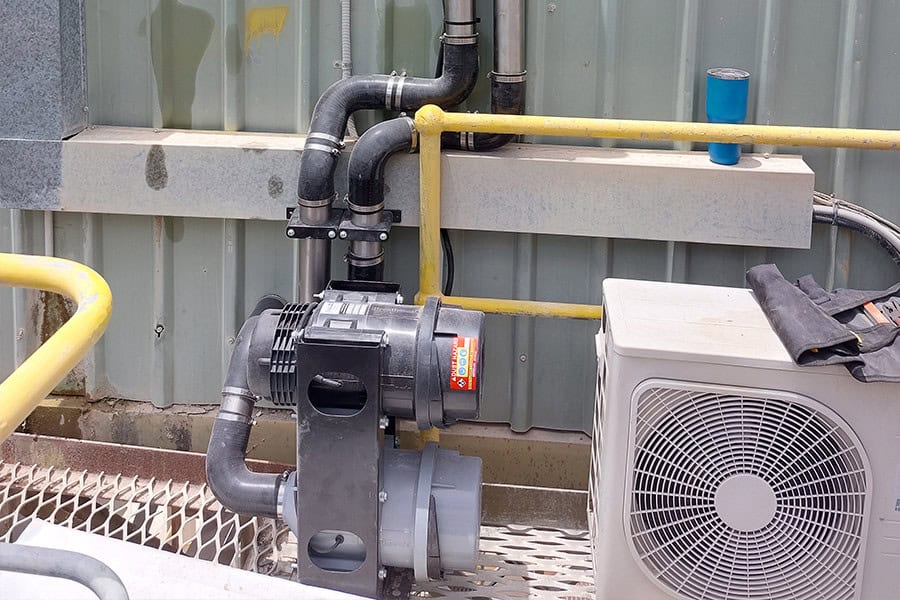
Crusher Room (Mining)
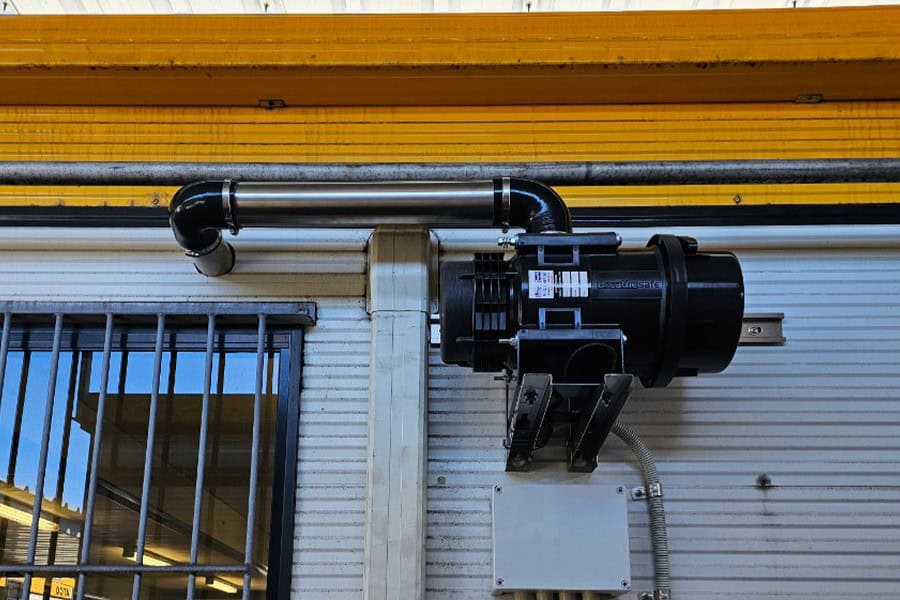
Break Room (Mining)
Features
Hover over the images to play the videos
Superior Air Precleaner
Uses centrifugal force to remove large particles and debris, reducing the load on the HEPA filter and extending its lifespan.
HEPA H14 Filtration
Removing 99.995% of airborne particles at 0.3 microns, ensuring exceptionally clean air.
Twist-Lock Filter
Quick and secure filter replacement mechanism for easy maintenance and minimal downtime.
Variable Speed Motor
Adjusts automatically to maintain positive pressure while minimising filter load and noise, enhancing operator comfort.
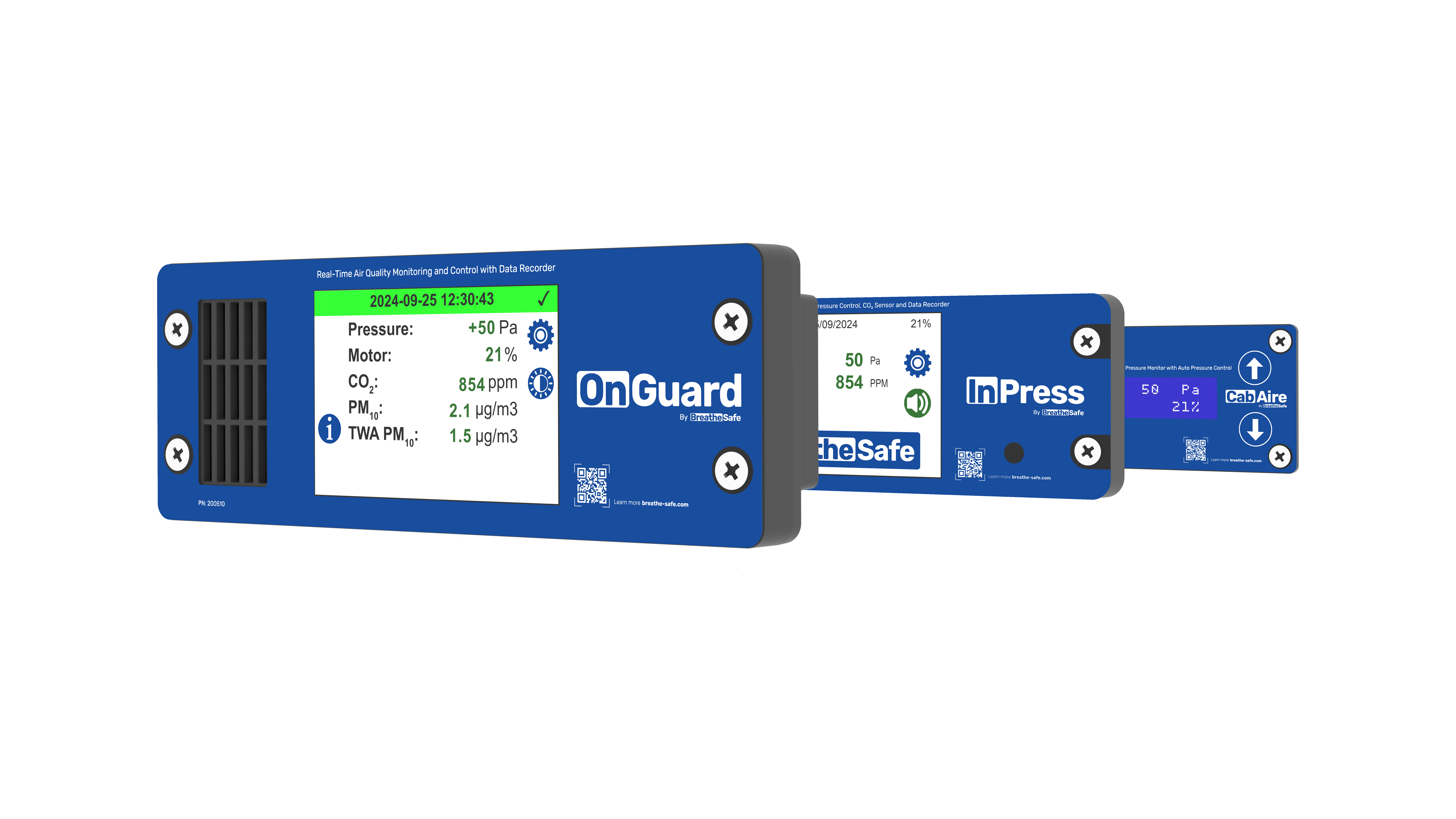
Automatic Pressure Control
Automatically adjusts fan speed to maintain cabin pressure. Constantly high motor output can be an indicator that filter replacement is needed.
Ingress Protection (IP) 66 Rated
Built to withstand dust, water, and extreme conditions for reliable performance in rugged industries.
Specification
| Parameter | Value |
|---|---|
| Length | 501 mm |
| Height | 264 mm |
| Width | 264 mm |
| Weight | 5 kg |
| Voltage | Min: 22 V; Typ: 24 V; Max: 30 V |
| Current | Typ: 1-10 A; Max: 11 A |
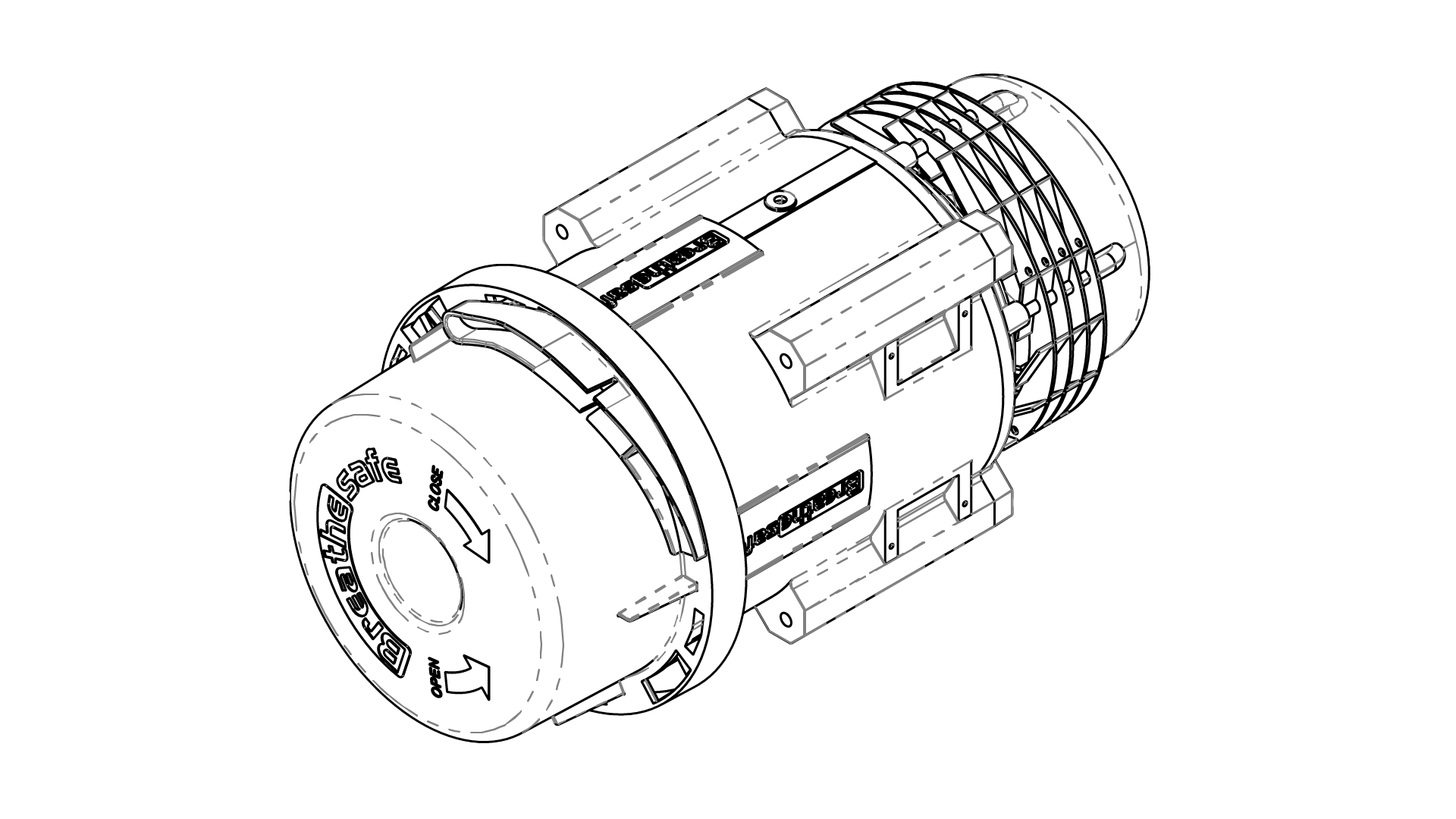
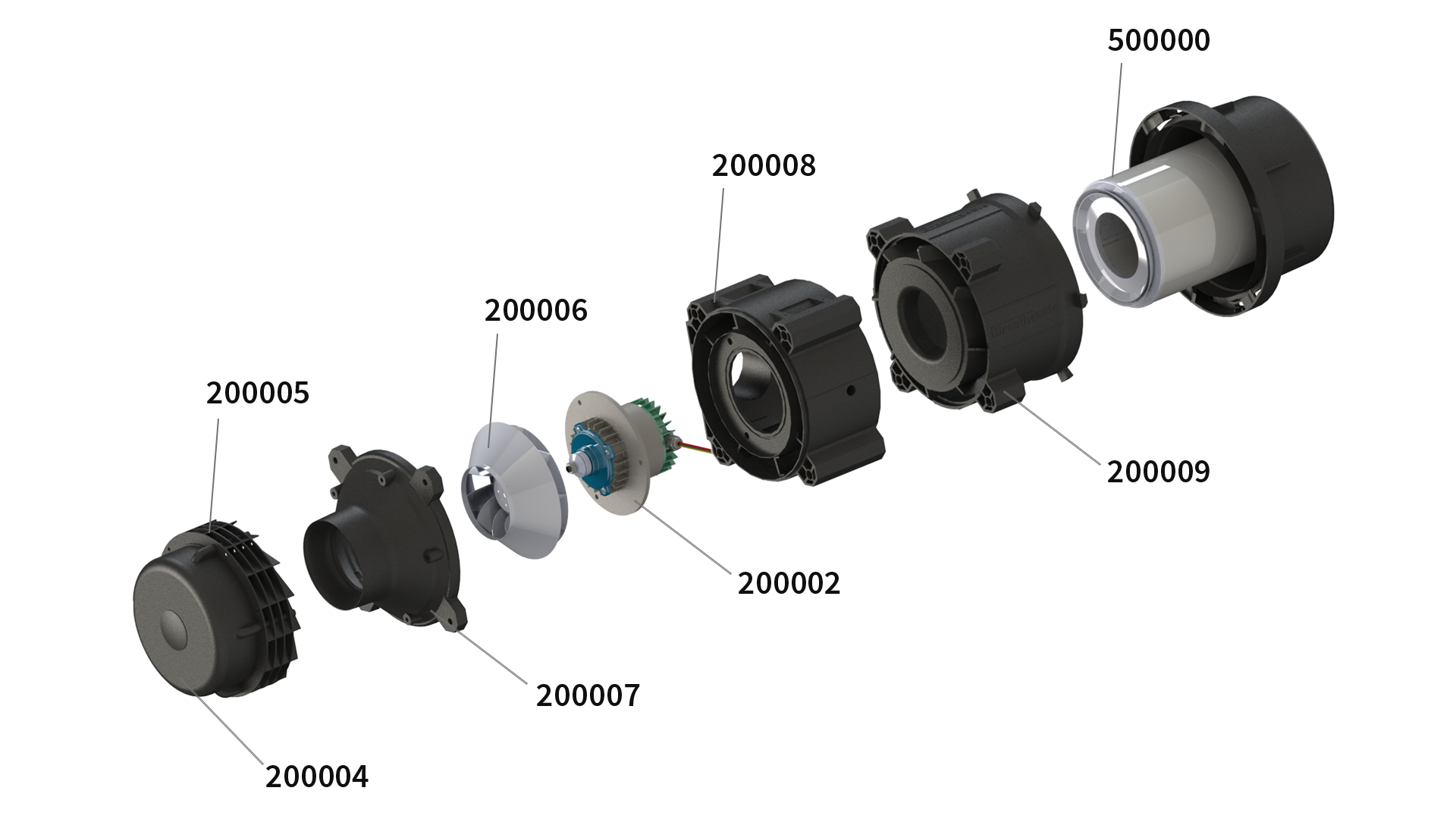
| Part Number | Description |
|---|---|
| 200002 | 12 V / 24 V DC Brushless VSD Motor |
| 200004 | Pre-cleaner Hood & Rotor Assembly |
| 200005 | Pre-cleaner Injector Ring |
| 200006 | TL Fan Blade |
| 200007 | TL Nose Cone / Pre-cleaner |
| 200008 | TL Motor Housing |
| 200009 | TL Filter Housing |
| 500000 | HEPA H14 Filter |
Frequently Asked Questions
What does a HEPA filter mean and how efficient is HEPA H14?
MERV vs HEPA: what’s the difference?
MERV (Minimum Efficiency Reporting Value) and HEPA (High Efficiency Particulate Air) are both air filter rating systems, but they apply to different levels of filtration performance.
MERV ratings (typically MERV 1–16, graded by the American Society of Heating, Refrigerating and Air-Conditioning Engineers) are used for general HVAC and ventilation filters. Higher MERV ratings capture smaller particles, but even the highest MERV filters are designed for comfort and general air quality, not hazardous dust control.
HEPA filters (graded by ISO and government agencies) operate at a much higher efficiency. A HEPA filter tested per EN1822 captures ≥99.95% (H13) or ≥99.995% (H14) of particles at 0.3 microns MPPS, including respirable silica dust, fine particulate (PM2.5), and diesel particulate.
In industrial air filtration systems and cabin pressurisation systems, HEPA filtration is required where there is exposure to fine or hazardous airborne particles. MERV-rated filters may be used as pre-filters, but they are not sufficient on their own for high-risk environments. When talking about respirable dust, even the lowest HEPA grade filter has a higher efficiency than MERV 16 filters.
For applications such as mining, heavy equipment cabins, and operator protection systems, HEPA filtration provides the level of performance needed to maintain safe air quality.
What particles can HEPA filters remove?
Why do I need a HEPA pressuriser and how does it work?
A HEPA pressuriser is the key product of cabin pressurisation systems to protect operators from respirable silica dust, fine particulate (PM2.5), and airborne contaminants commonly found in mining and industrial environments.
It works by drawing in external air, passing it through a HEPA filter, and supplying clean air into the cabin while maintaining positive pressure. This positive pressure prevents unfiltered air, dust, and contaminants from entering through gaps, doors, or leaks.
By combining HEPA filtration with controlled airflow, a HEPA pressuriser ensures that only clean, filtered air enters the cabin, making it a critical component in industrial air filtration systems where operator health and air quality compliance are required.
Why do I need a pressuriser with variable speed brushless motor?
A variable speed or brushless motor allows the pressuriser to adjust airflow based on operating conditions, such as filter loading, changes in cabin pressure, and environmental dust levels.
This provides:
- Consistent cabin pressure even as the filters load
- Improved energy efficiency by only using the power required
- Longer motor life compared to brushed motors
- Lower maintenance, as brushless motors have fewer wear components
In high-dust environments such as mining, this ensures the system maintains protection without performance drop or excessive wear.
Video Support
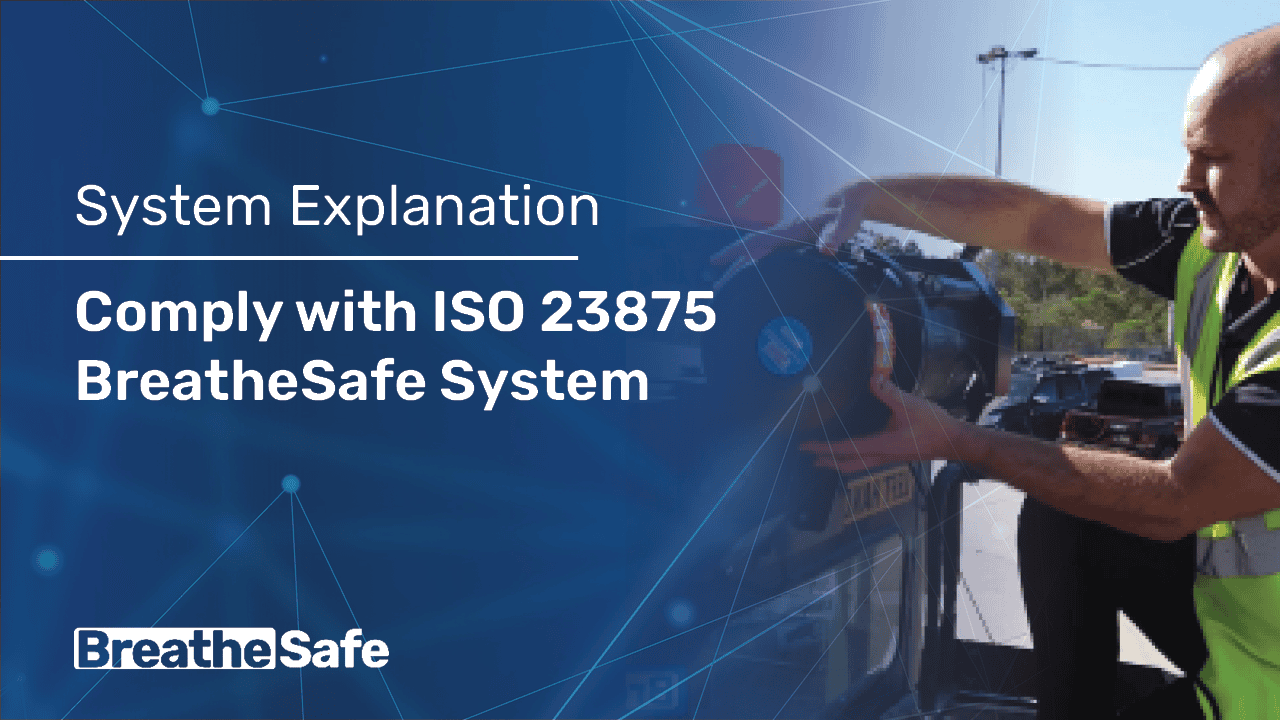
BreatheSafe System Explanation
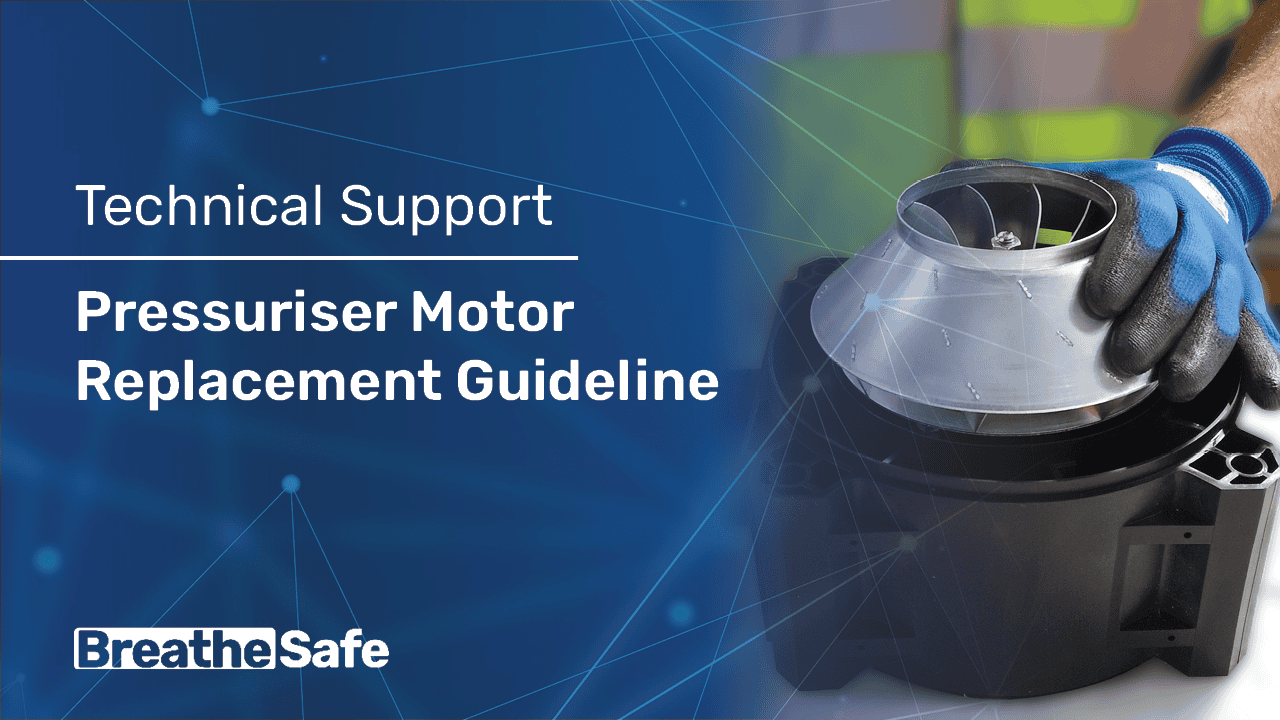
Motor Replacement Guideline
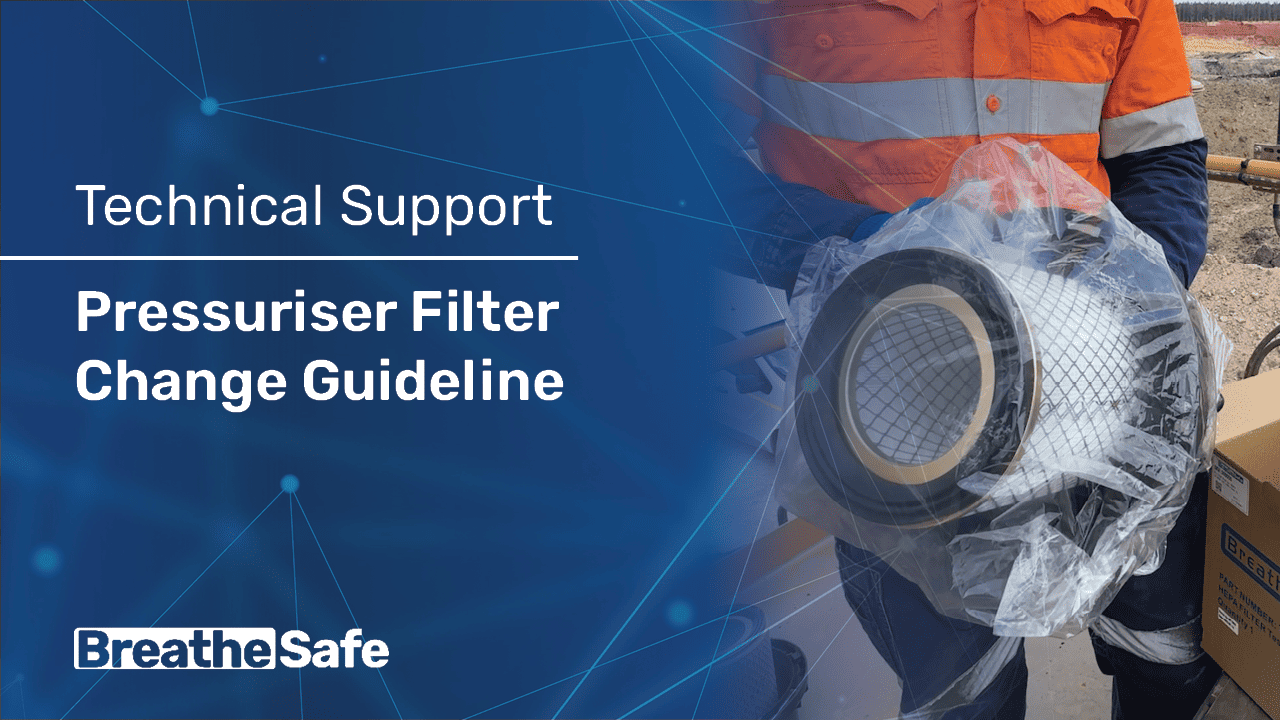
Filter Replacement Guideline
Related Products
Air Quality Controllers

HEPA Return Air Filter
Powered HEPA Recirculation Filter