

Operator Cabin Pressurisation Systems
Protect operators with a dual HEPA filtration system in a pressurised cabin.

Hover over the image to see 360 view
Advanced Protection for Operator Cabins
Dual HEPA-Filtered, Pressurised, Monitored and Controlled
Intelligent Air Filtration Technology
BreatheSafe system intelligently regulates and maintains positive cabin pressure at a preset level, preventing dust ingress.
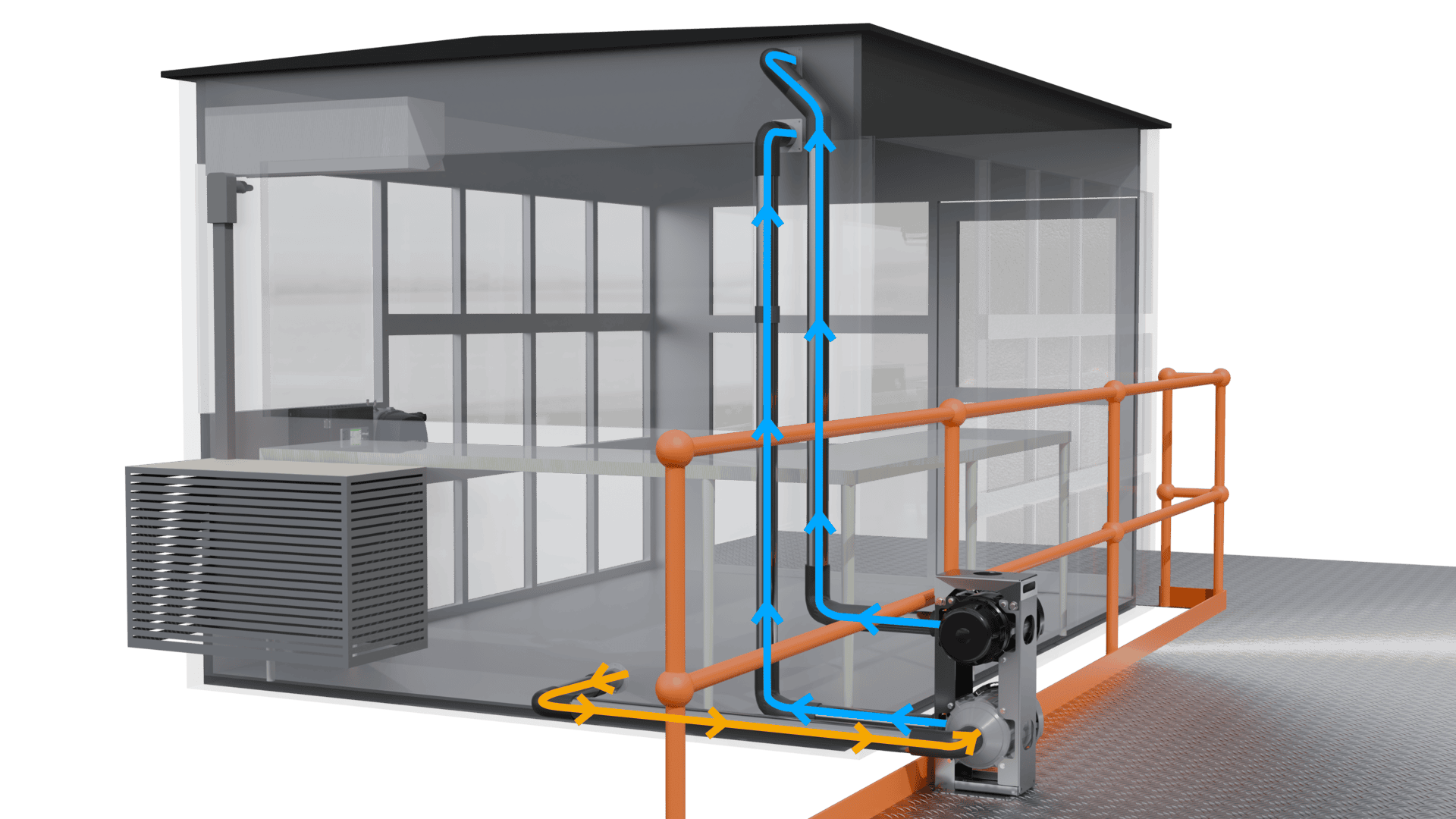
Closed-Circuit Filtration System
BreatheSafe closed-circuit system ensures every air entry point is HEPA-filtered, eliminating unfiltered airflow and maximising protection.
Complete System Solutions
Fully integrated operator air filtration and pressurisation systems, custom-designed to suit a wide range of mining equipment and heavy-duty vehicle.
Applications
Support a wide range of industries, including Mining, Civil Construction, Tunneling, Landfill, Agriculture, Smelters etc.
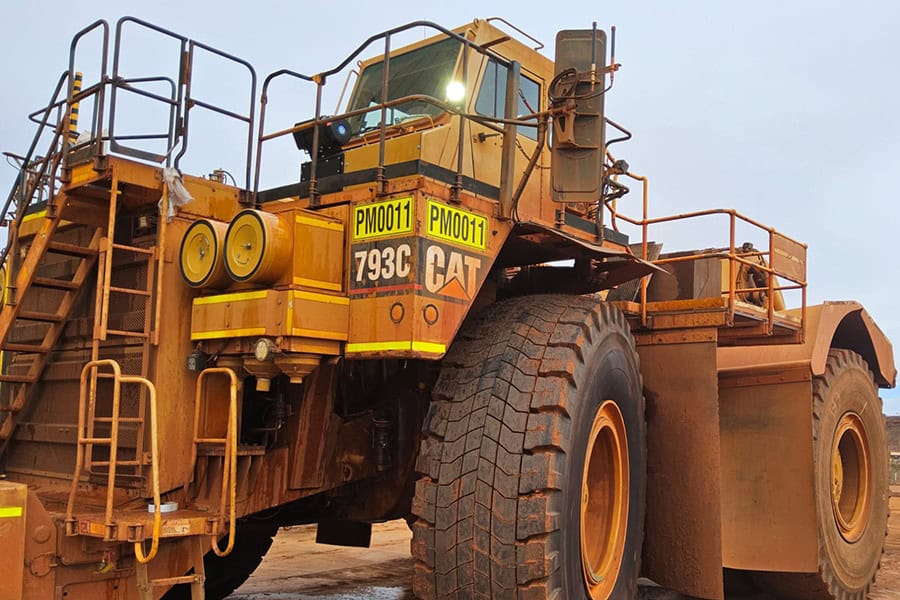
Caterpillar Haul Truck 793C
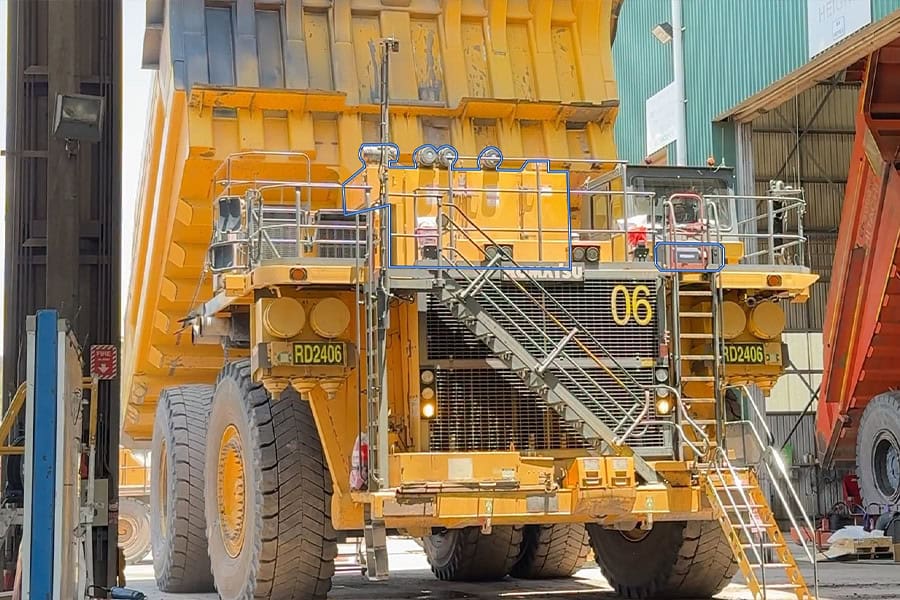
Komatsu Haul Truck 830E
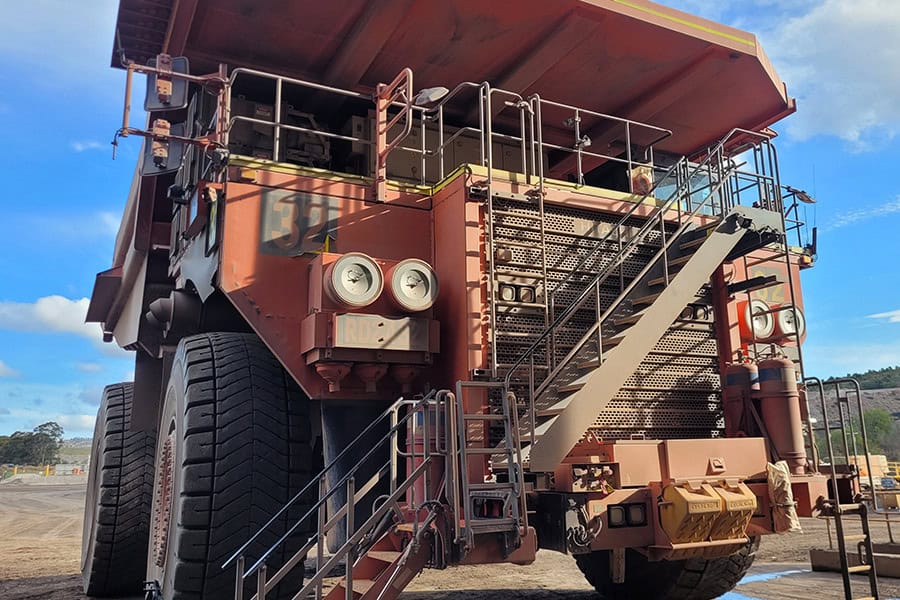
Hitachi Haul Truck EH5000
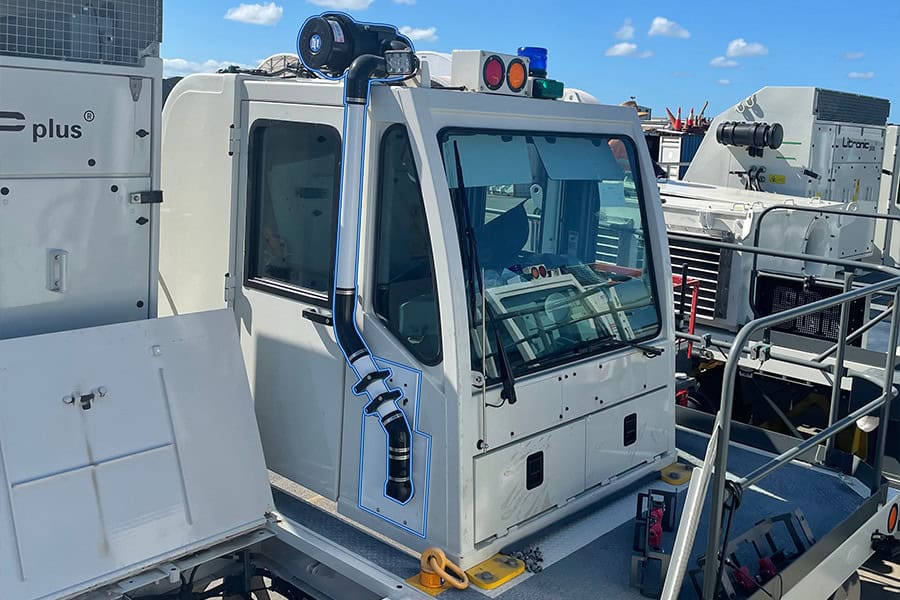
Liebherr Mining Truck T264
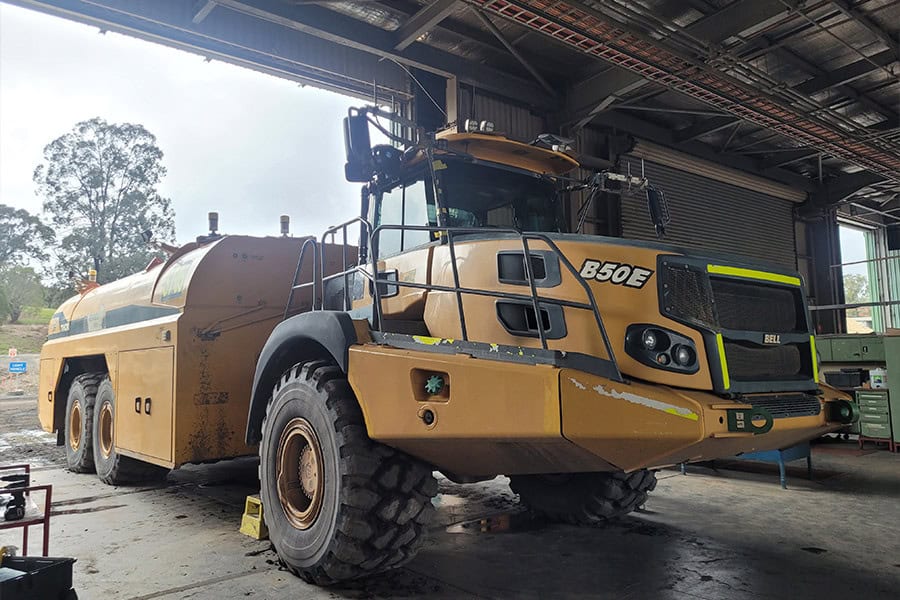
Bell Haul Truck B50E
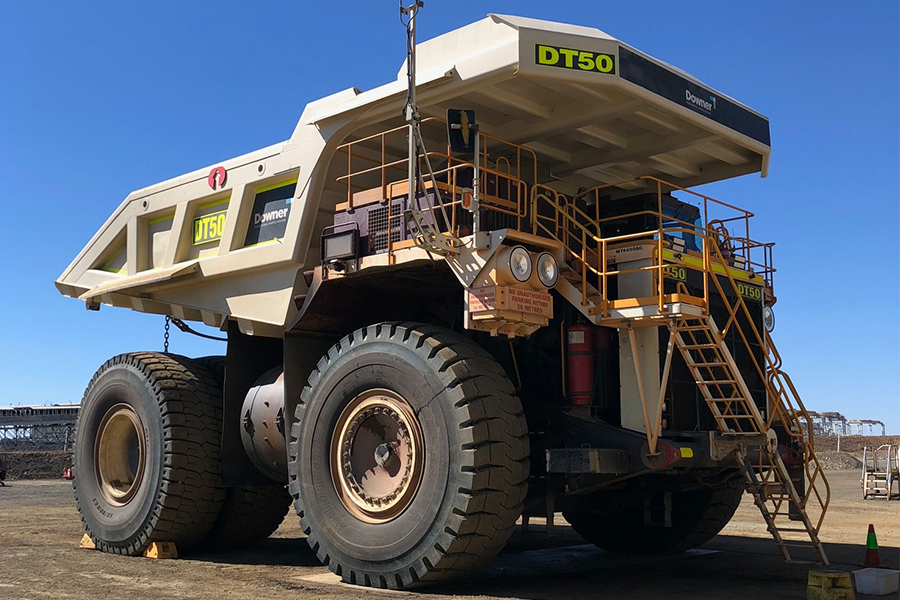
Terex Rock Truck MT4400
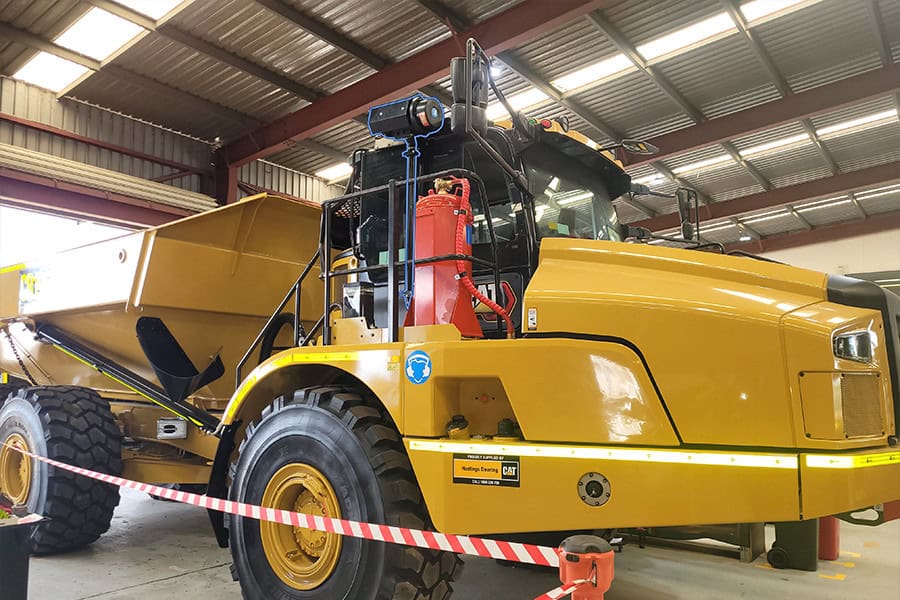
Caterpillar Articulated Truck 745
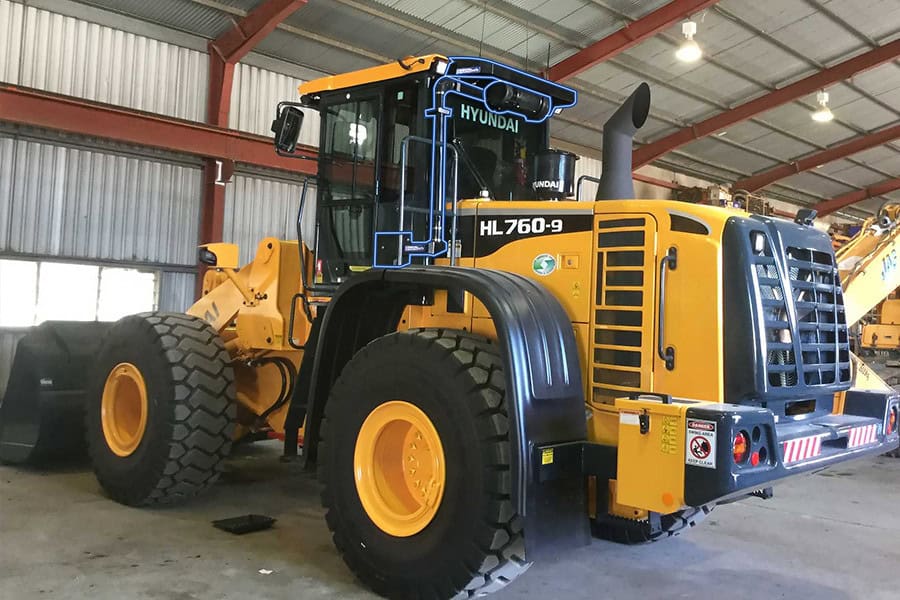
Hyundai Wheel Loader HL760-9
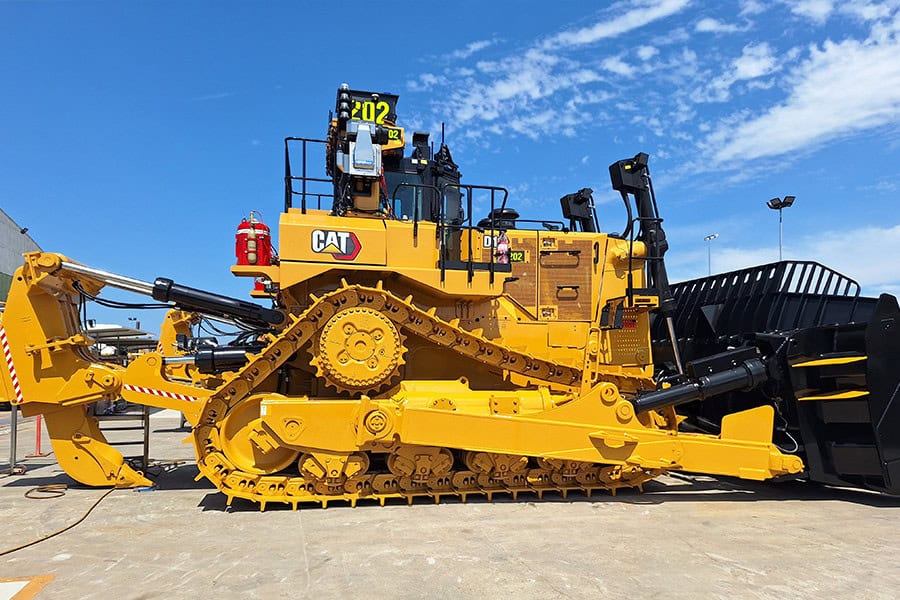
Caterpillar Dozer D11
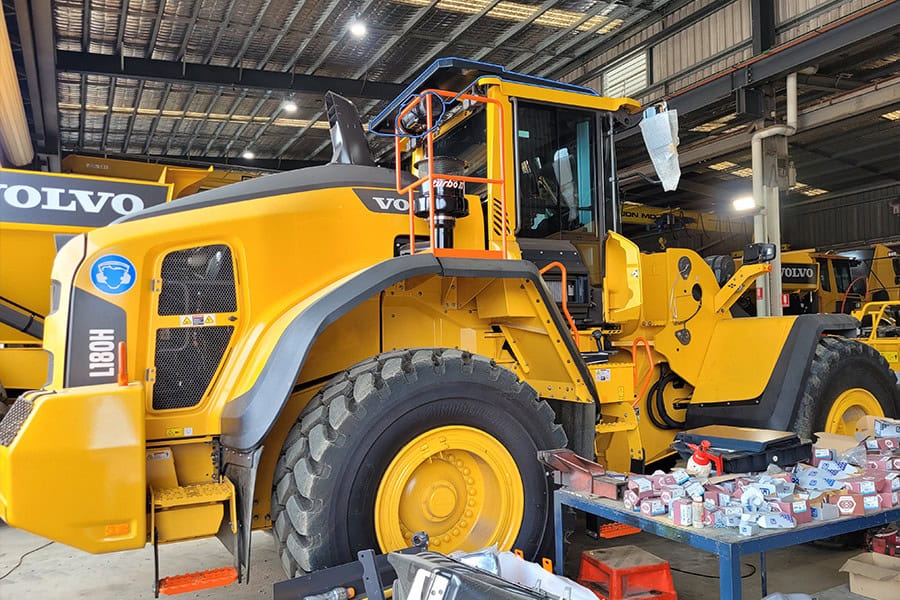
Volvo Wheel Loader L180H
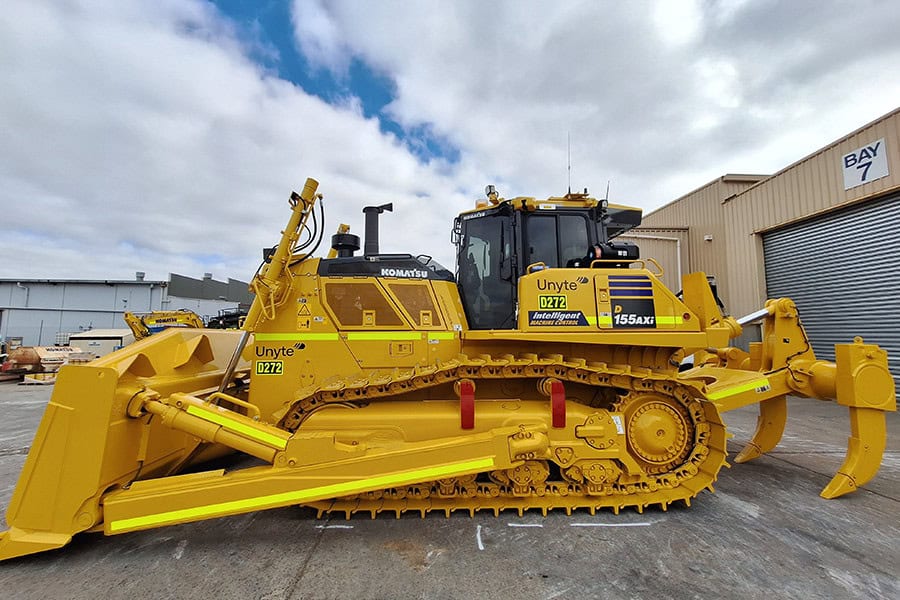
Komatsu Dozer D155AXI-8
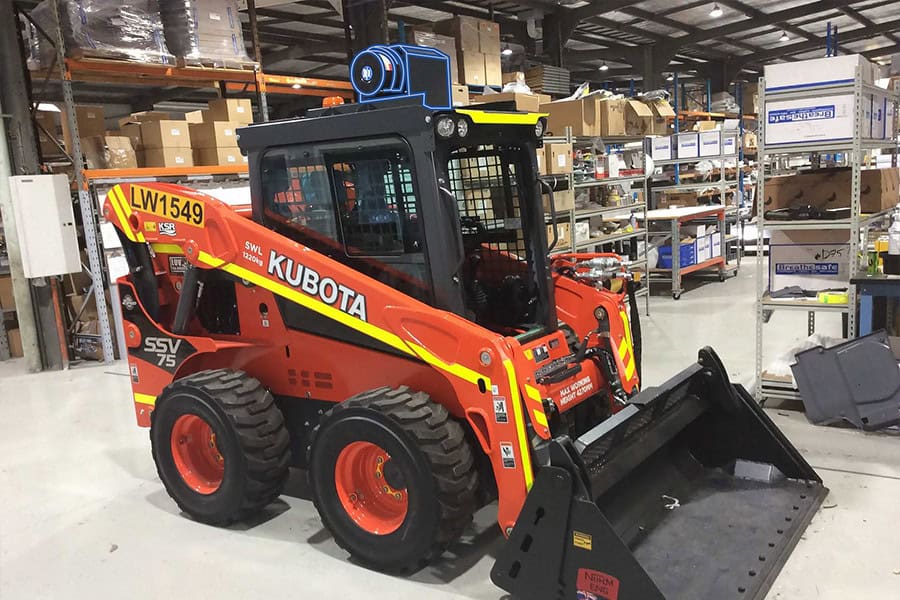
Kubota Skid Steer Loader SSV75
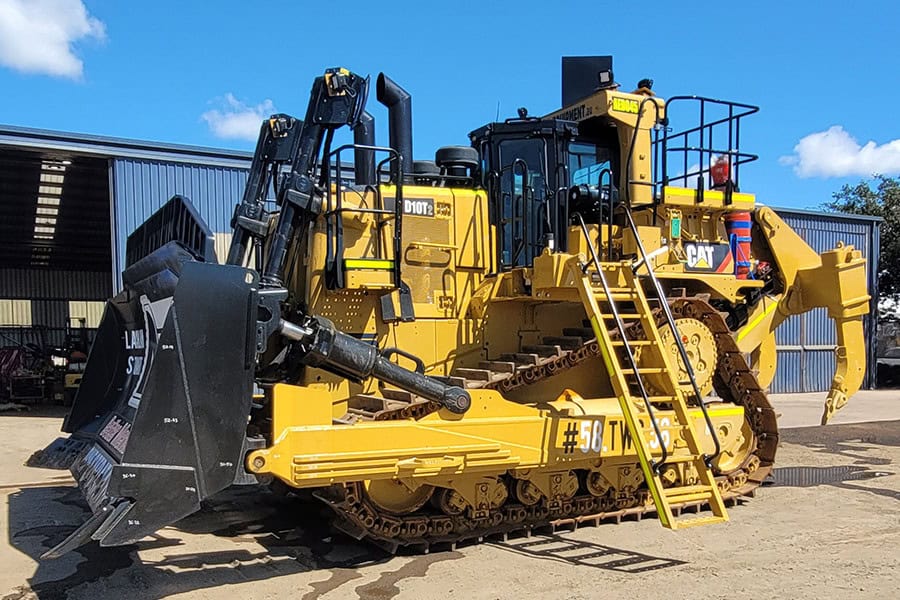
Caterpillar Dozer D10
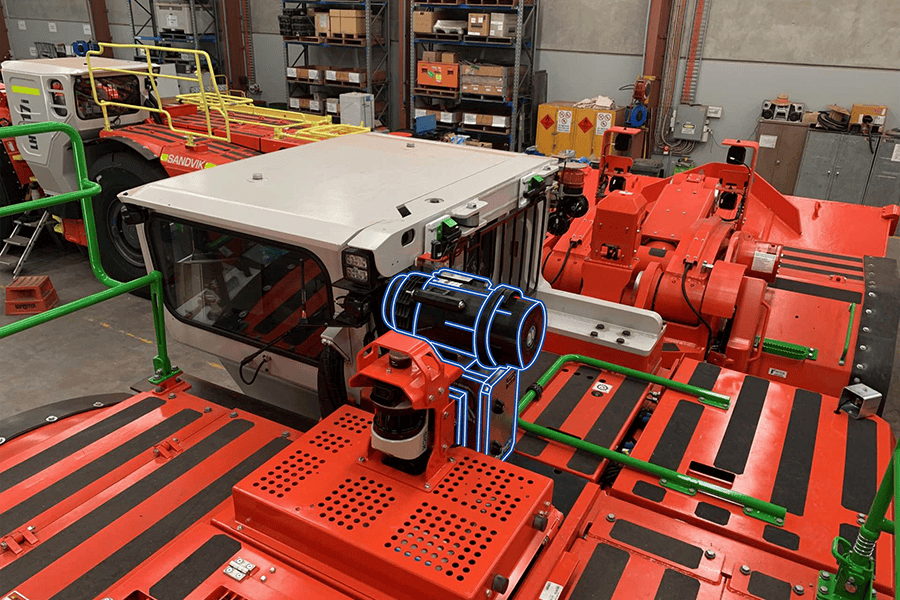
Sandvik Loader LH621i
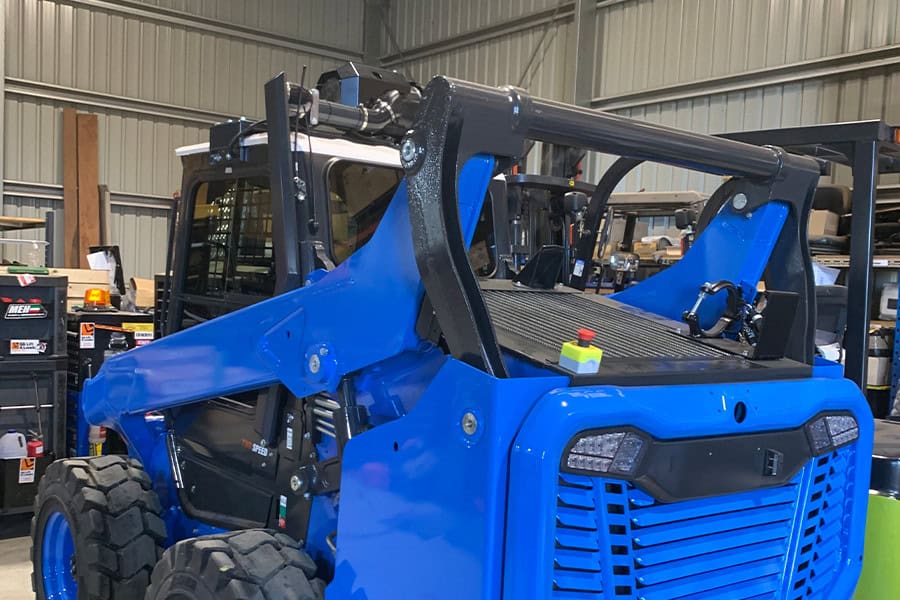
Bobcat Skid Steer S76
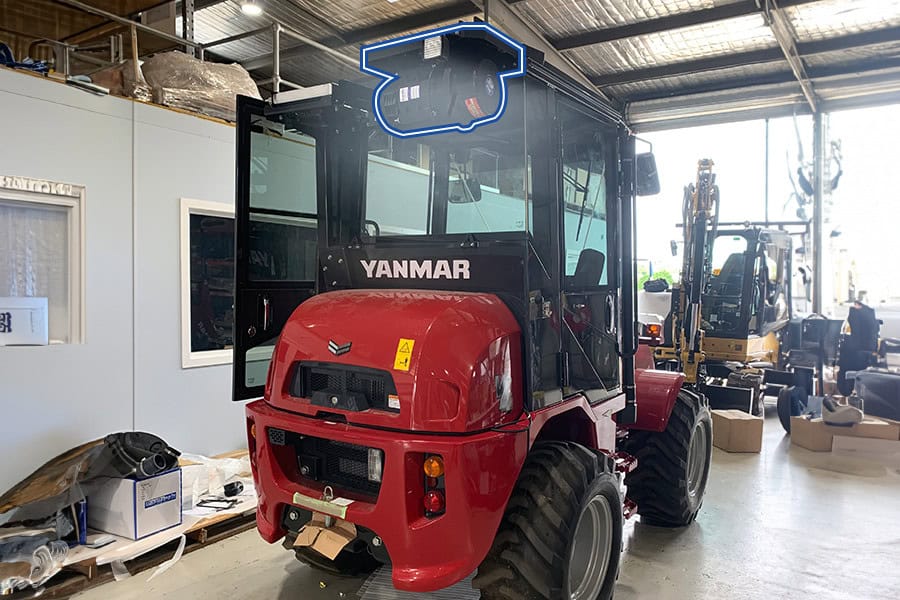
Yanmar Loader V4-7
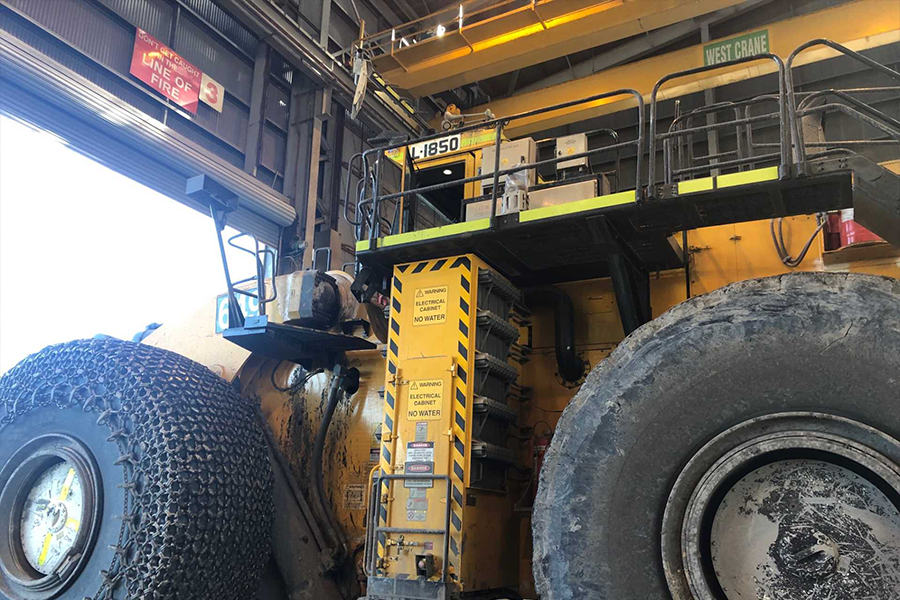
LeTourneau Wheel Loader L1850
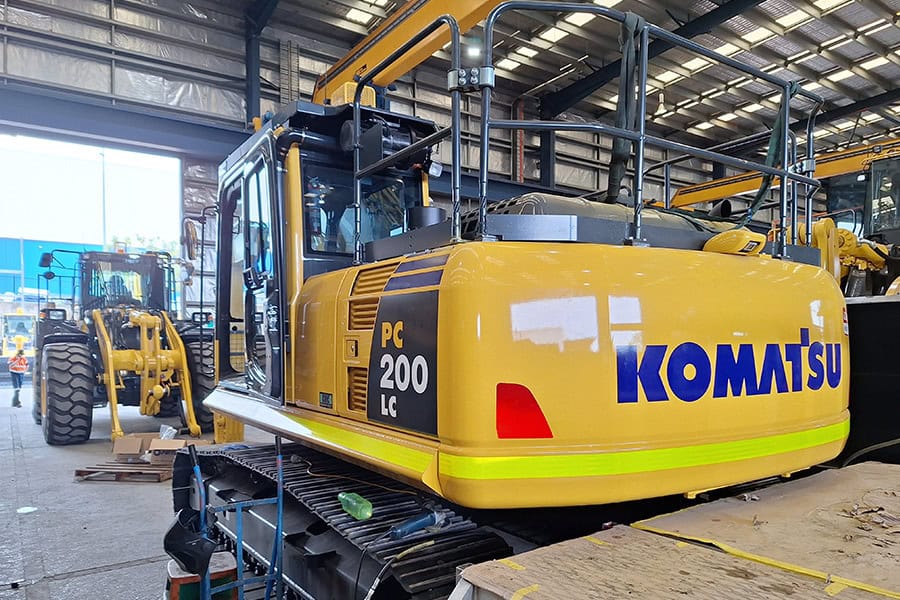
Komatsu Excavator PC200LC-8
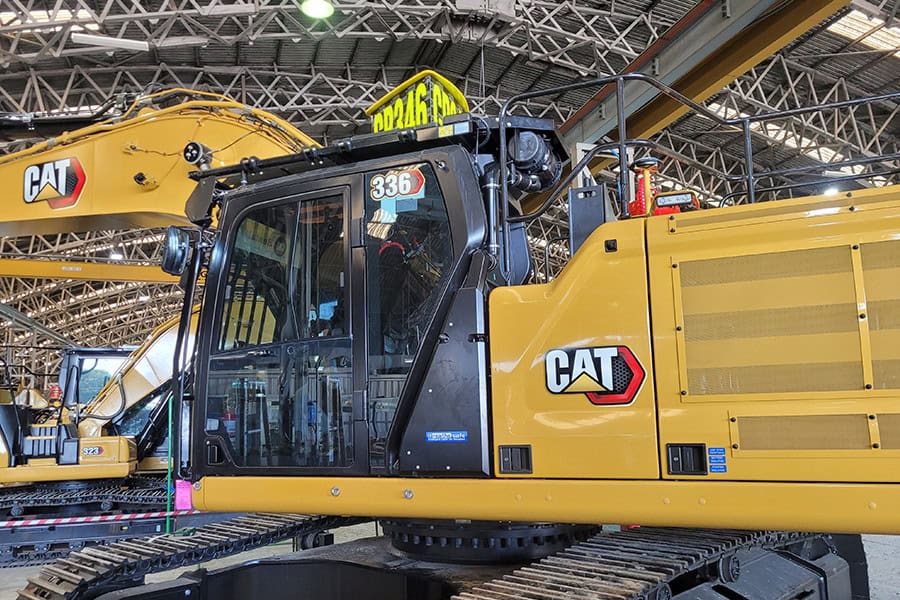
Caterpillar Excavator 336NG
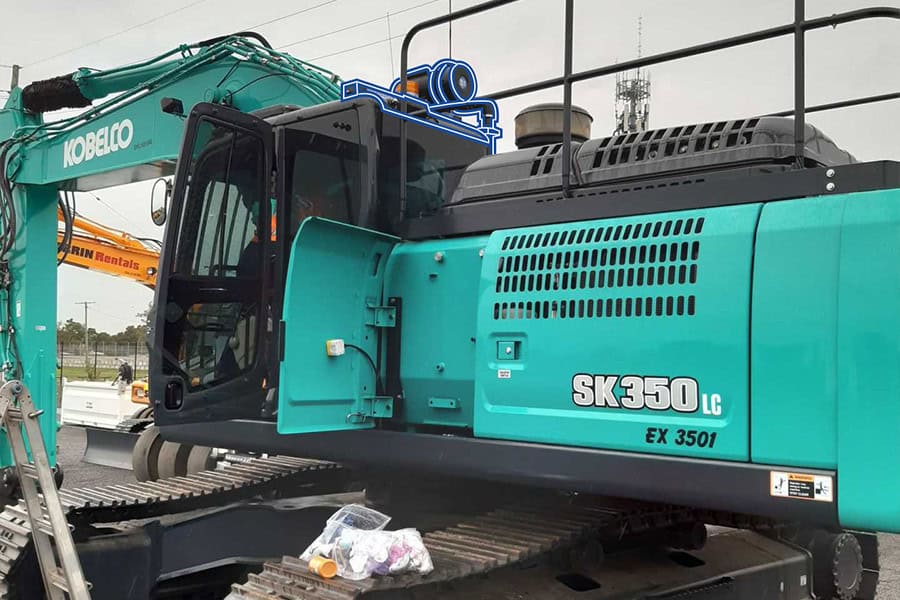
Kobelco Excavator SK350LC-10
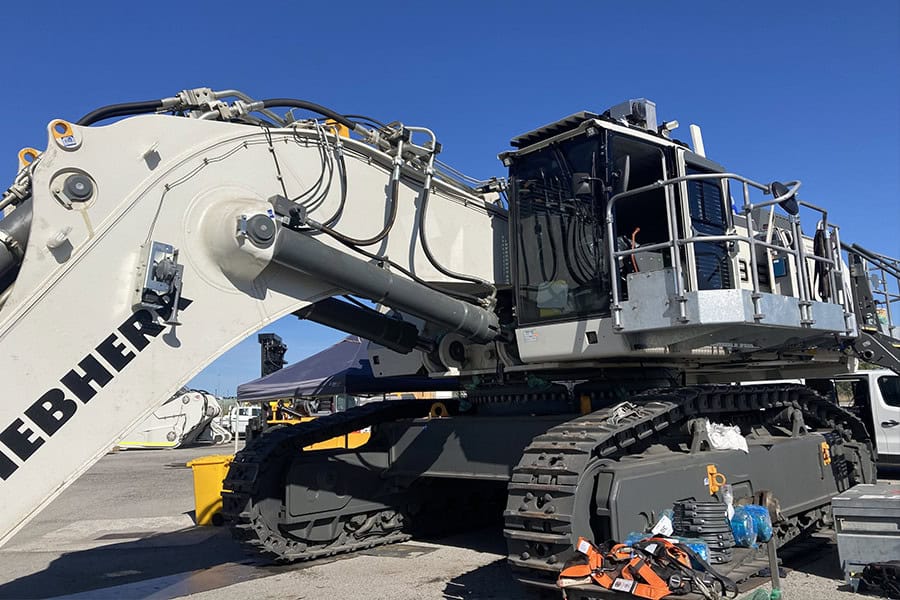
Liebherr Excavator R9150
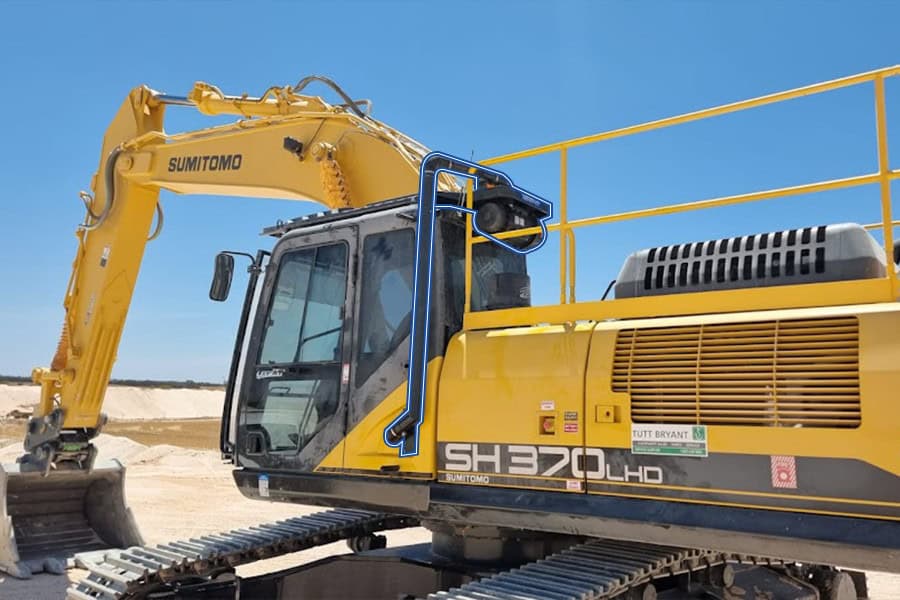
Sumitomo Excavator SH370LHD-6
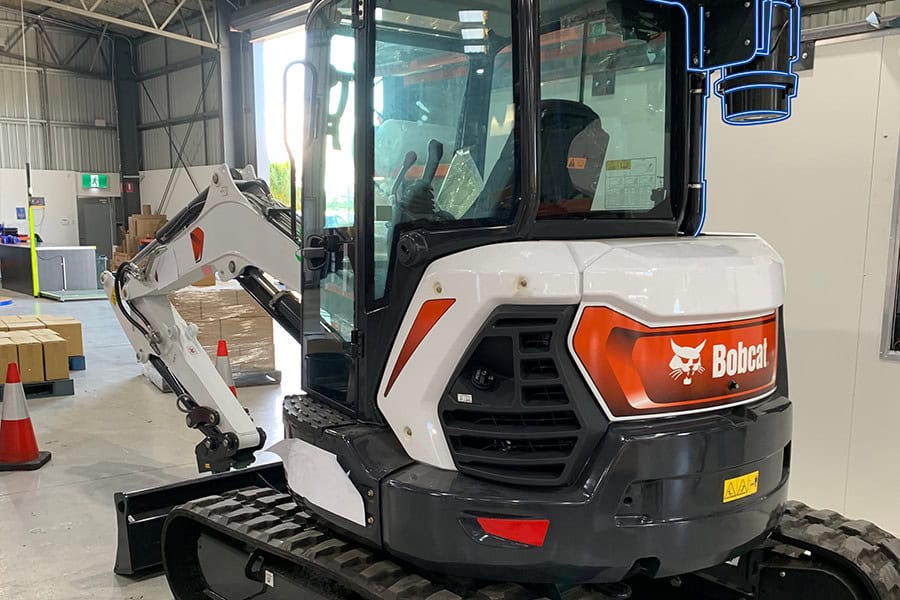
Bobcat Excavator E55Z
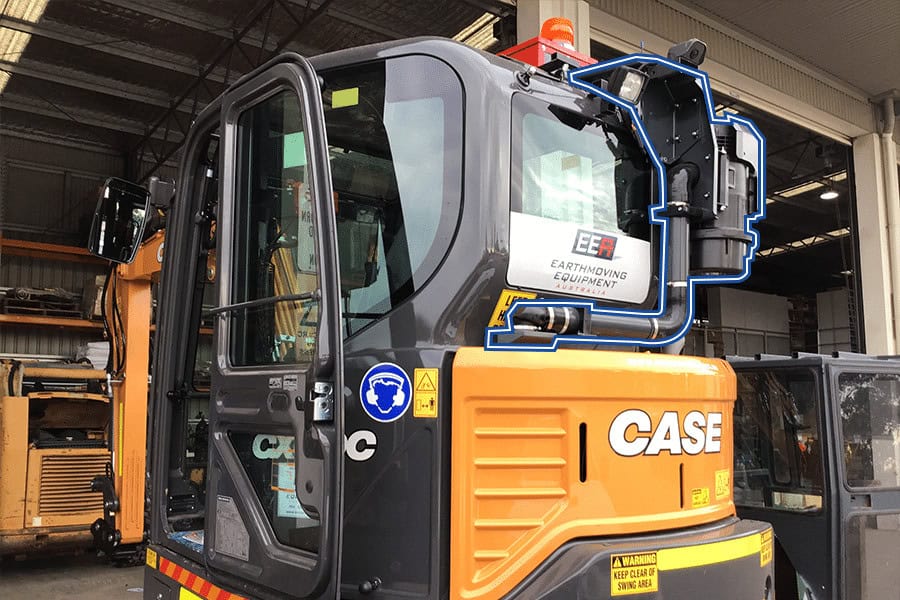
Case Excavator CX60C
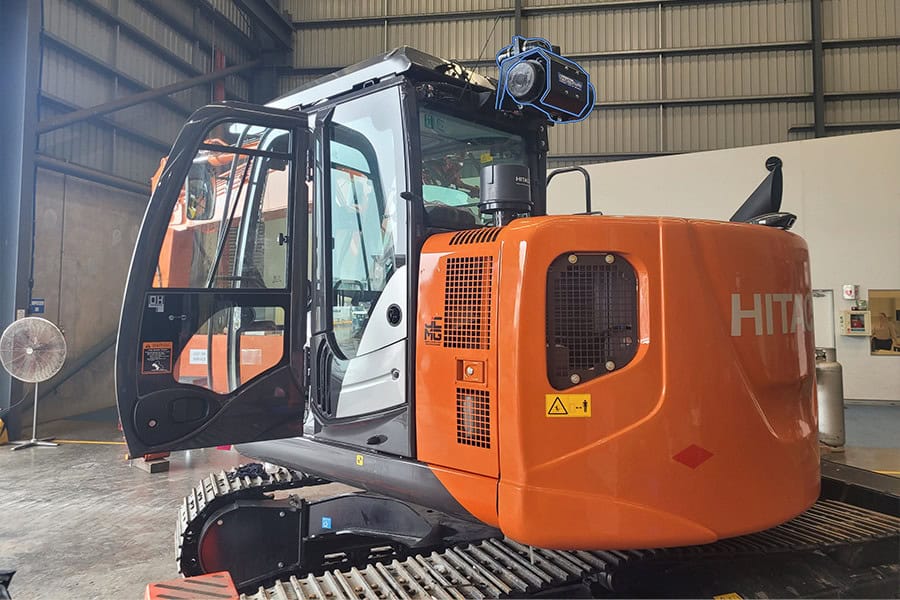
Hitachi Excavator ZX135US-5
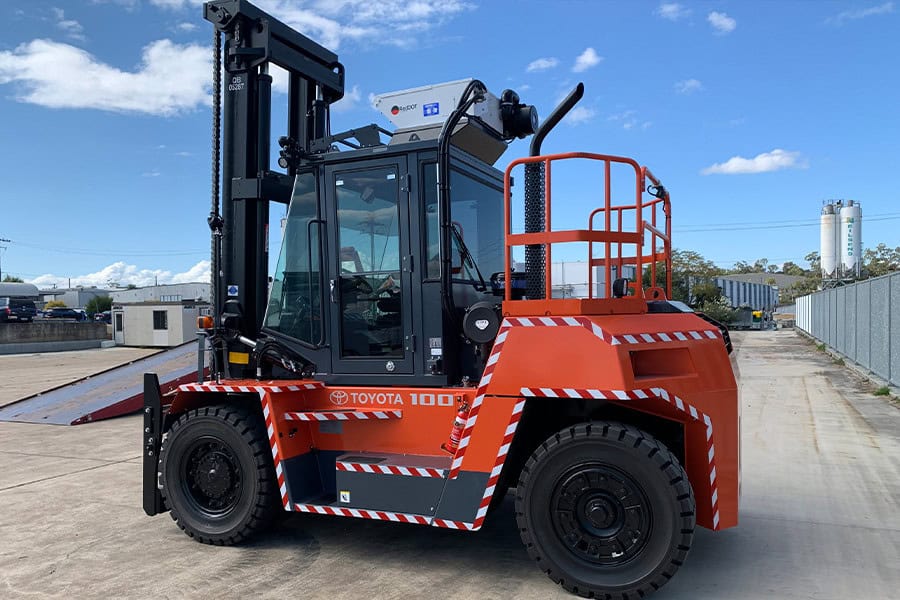
Toyota Forklift 4FD100
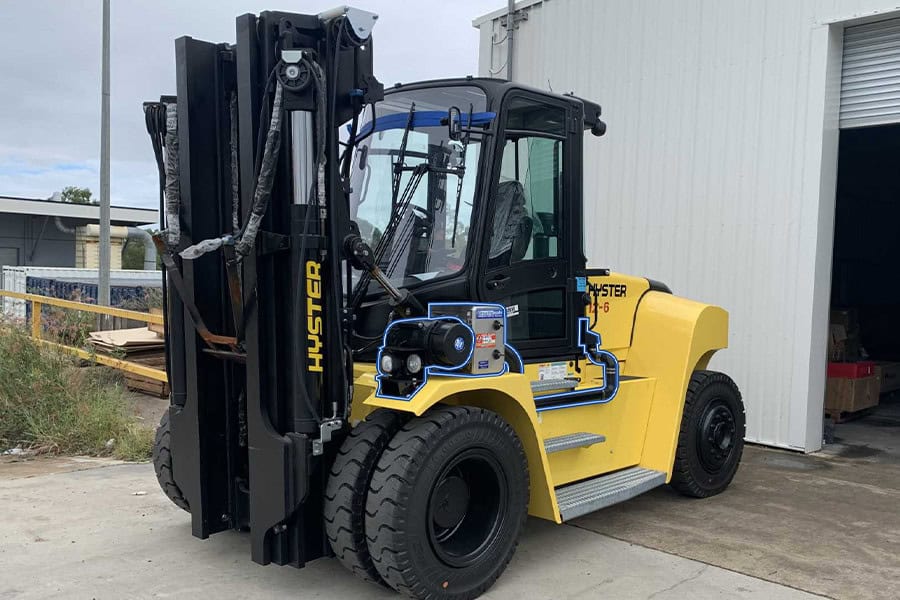
Hyster Forklift H12XM-6
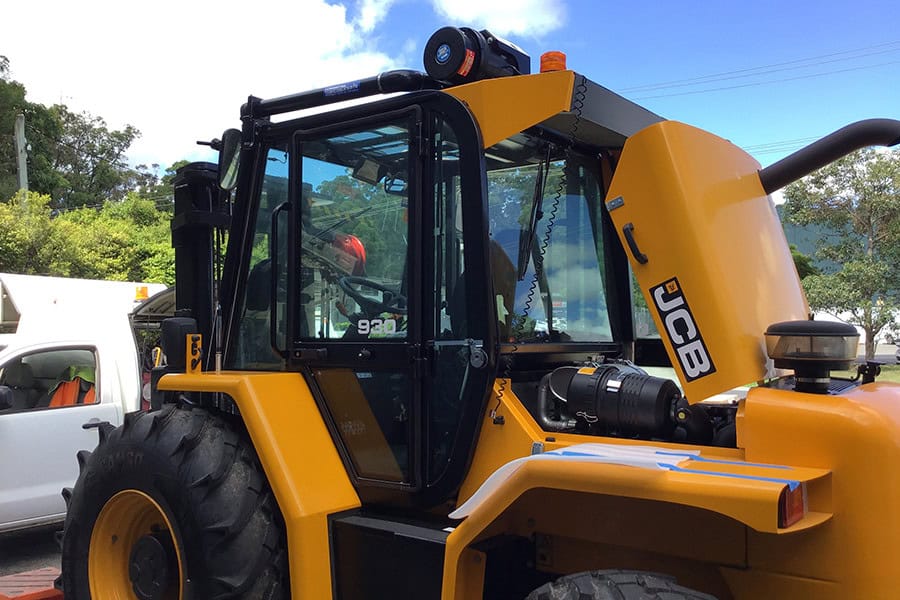
JCB Rough Terrain Forklift 930-4
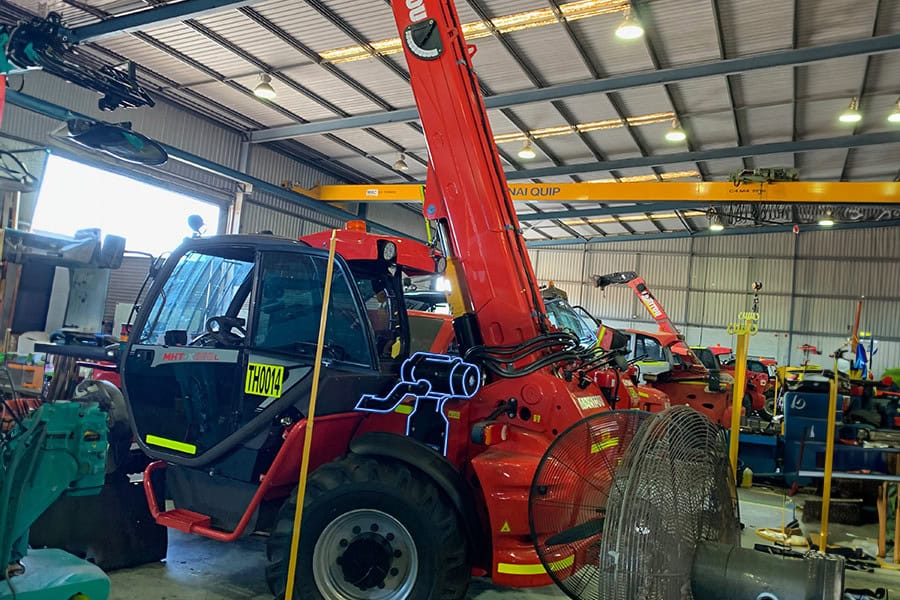
Manitou Telescopic Forklift MHT-X 860
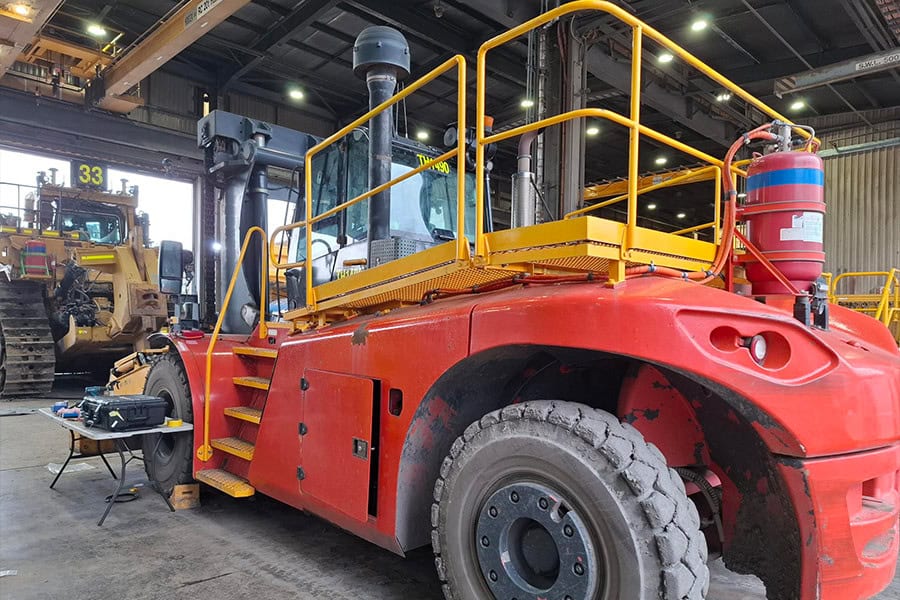
Linde Forklift H250
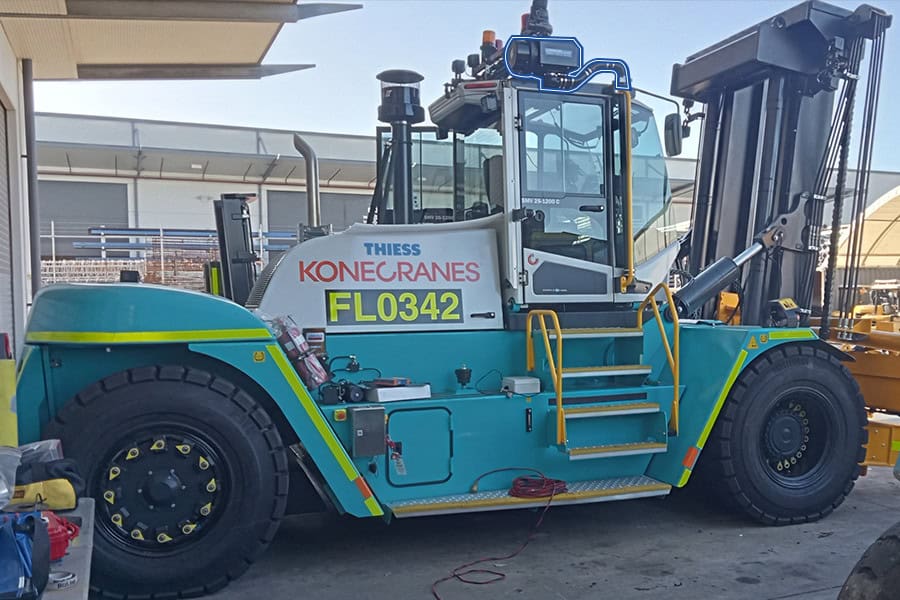
Konecrane Forklift
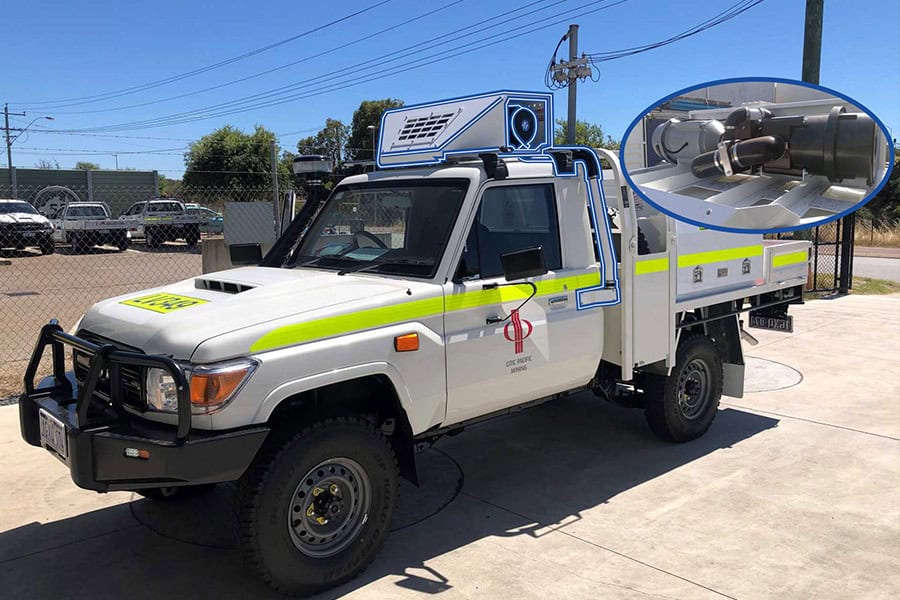
Toyota Land Cruiser
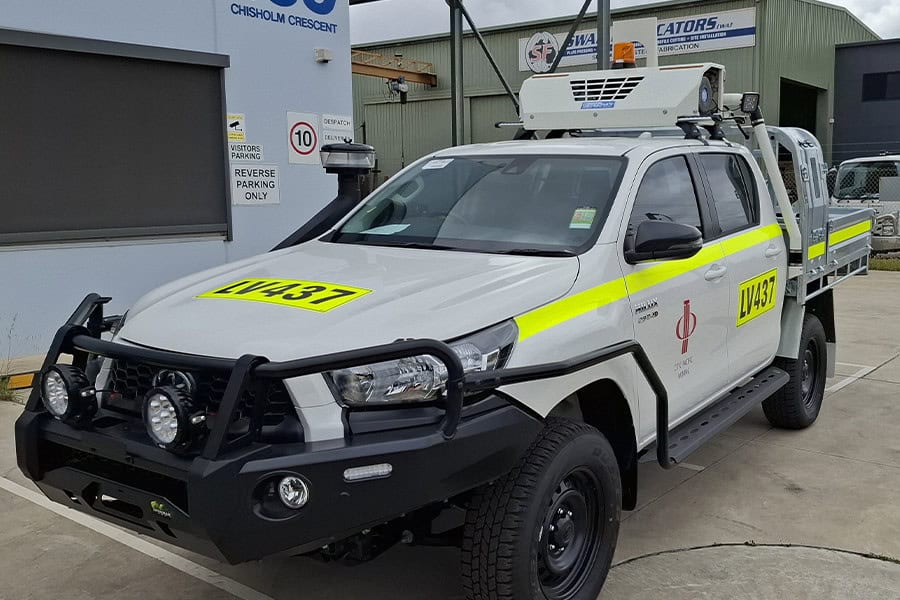
Toyota Hilux
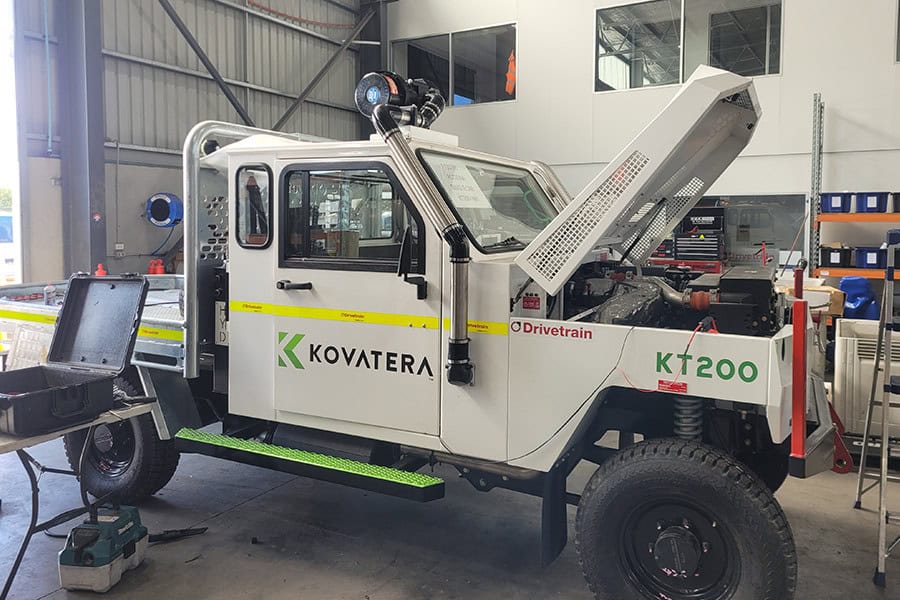
Kovatera KT200
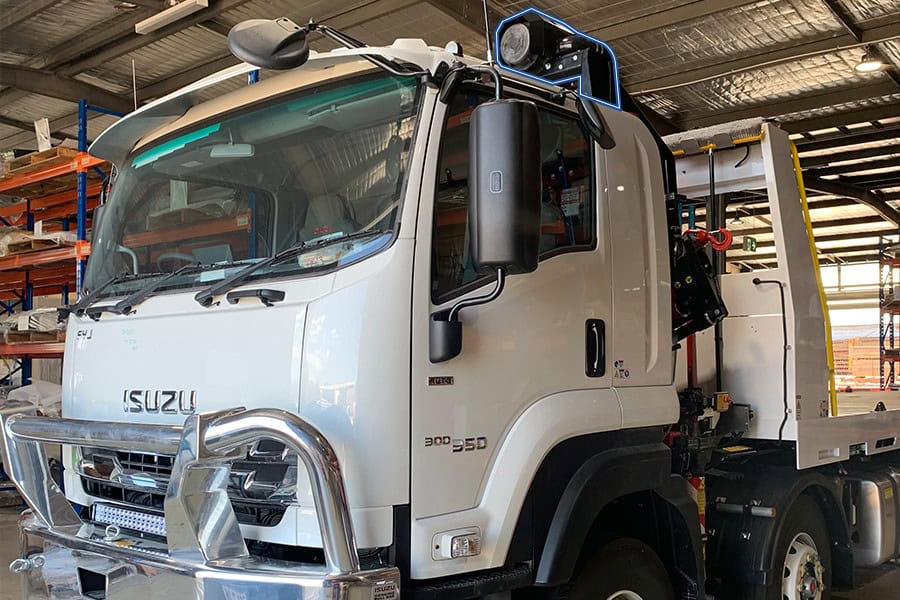
Isuzu Tow Truck
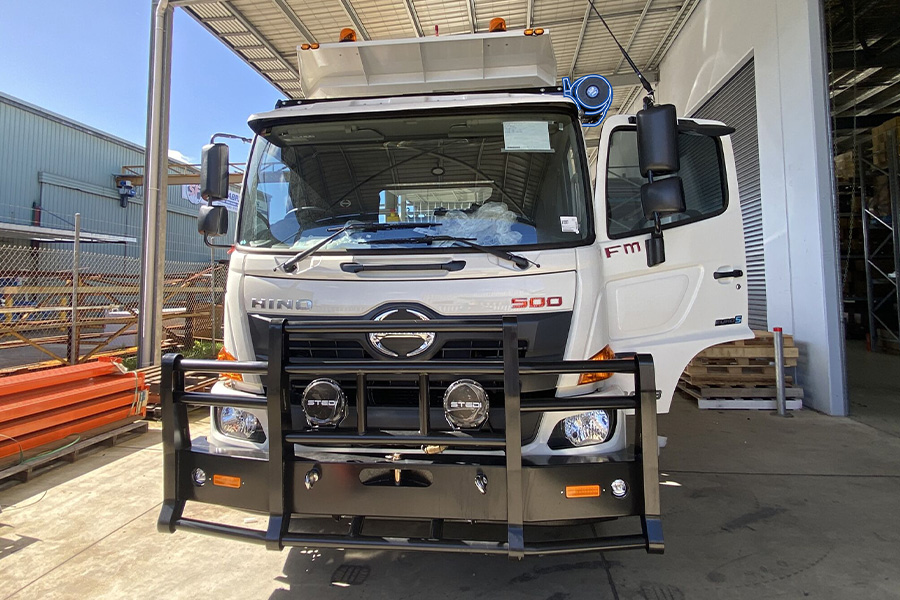
Hino Truck 500
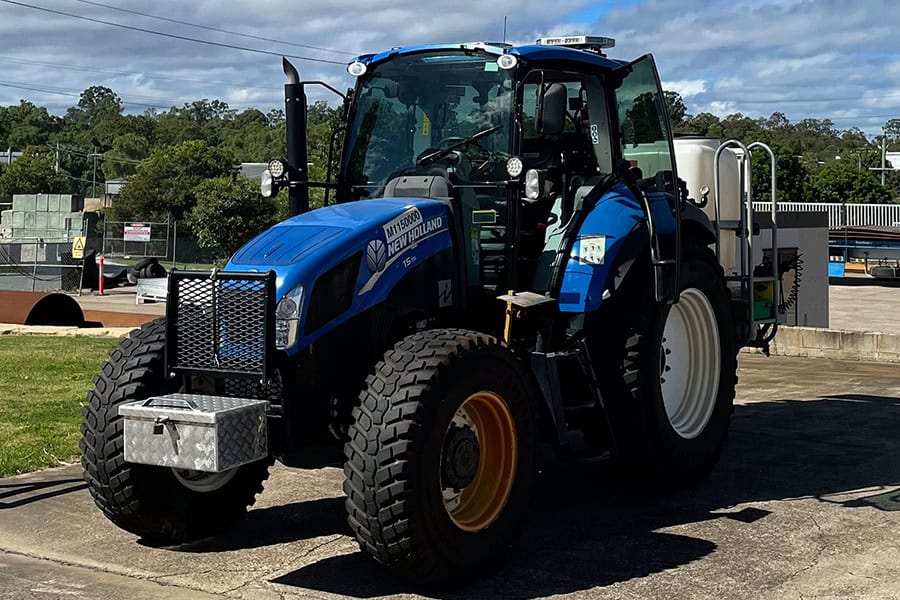
New Holland Tractor T5.95
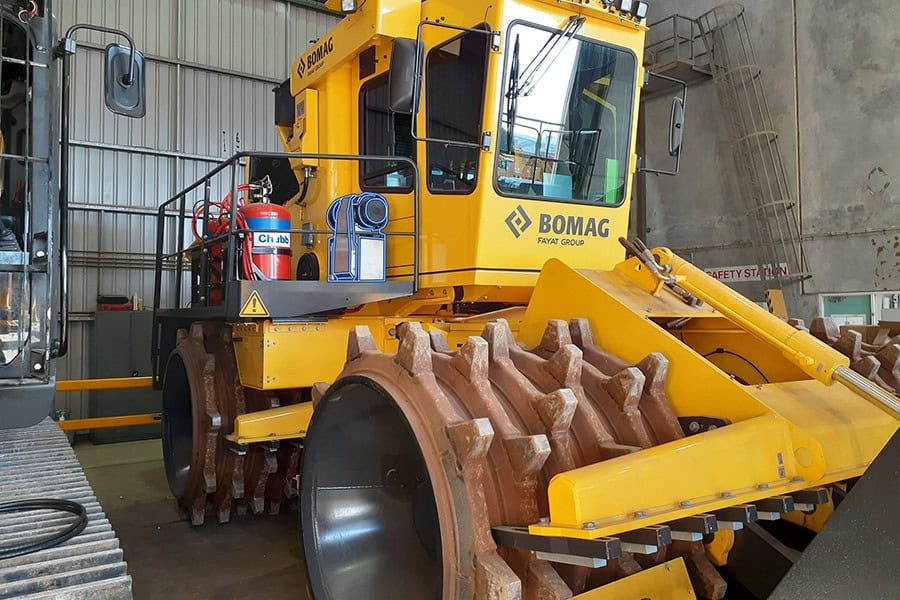
Bomag Compactor BC772RB2
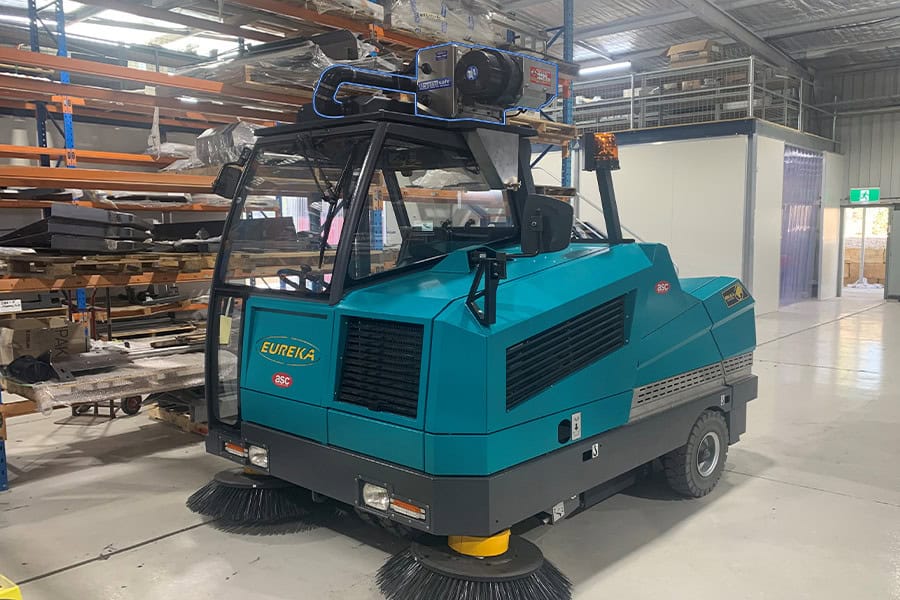
ASC Eureka Sweeper M8
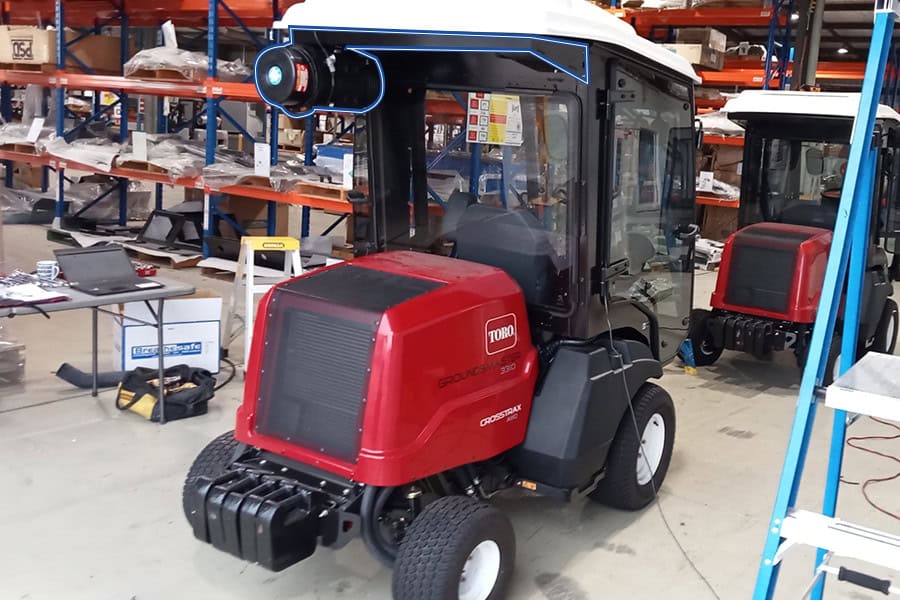
Toro Lawn Mower 31909
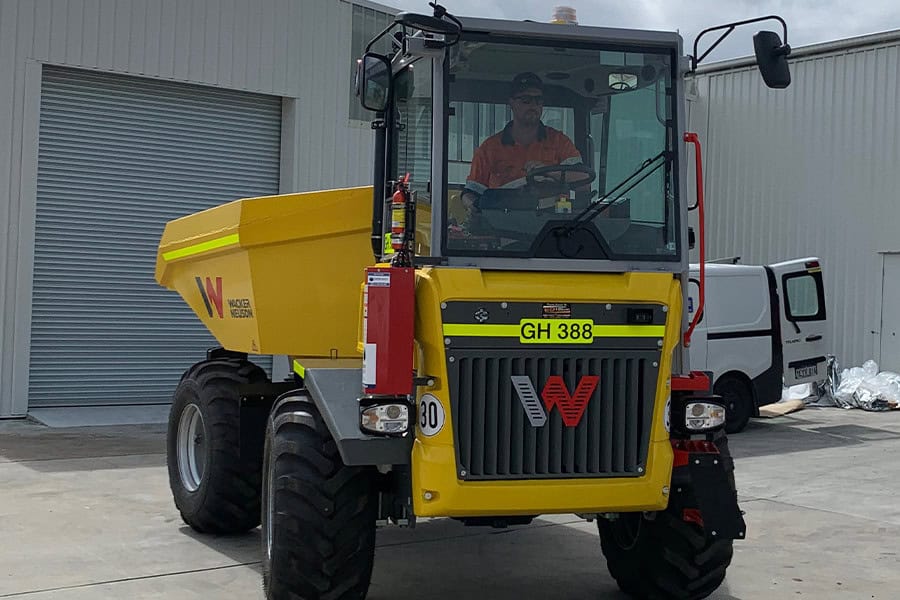
Wacker Neuson Dumper DV90
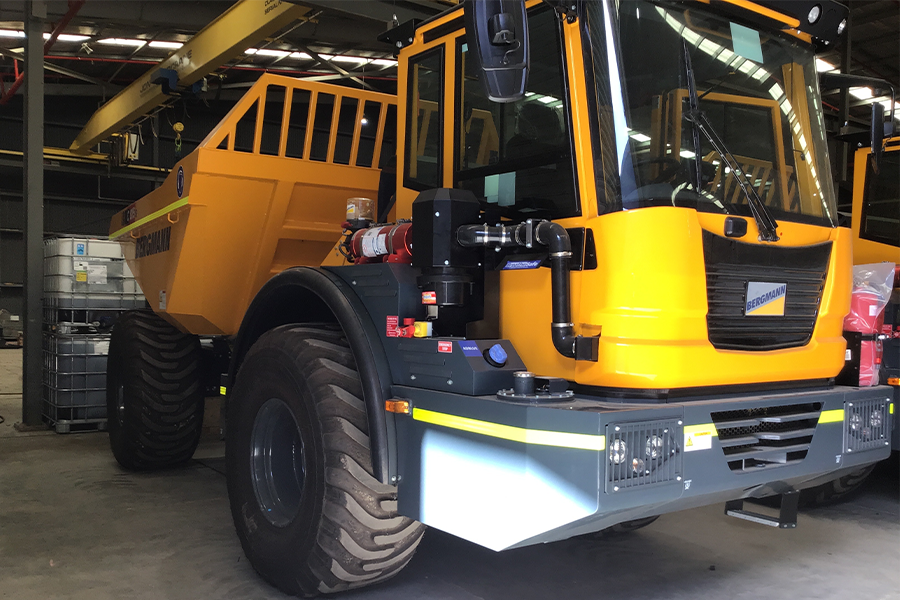
Bergmann Dumper C815
BreatheSafe Components
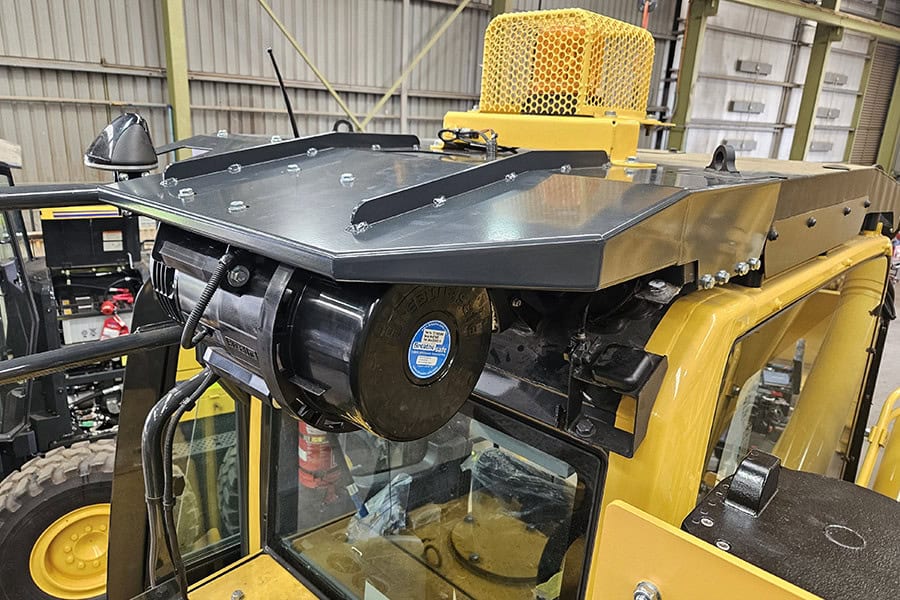
TL High-Pressure HEPA Pressuriser
Equipped with a HEPA H14 filter, variable speed motor and fully IP66-rated design, it delivers high-performance cabin pressurisation and reliable protection in harsh environments.
Learn More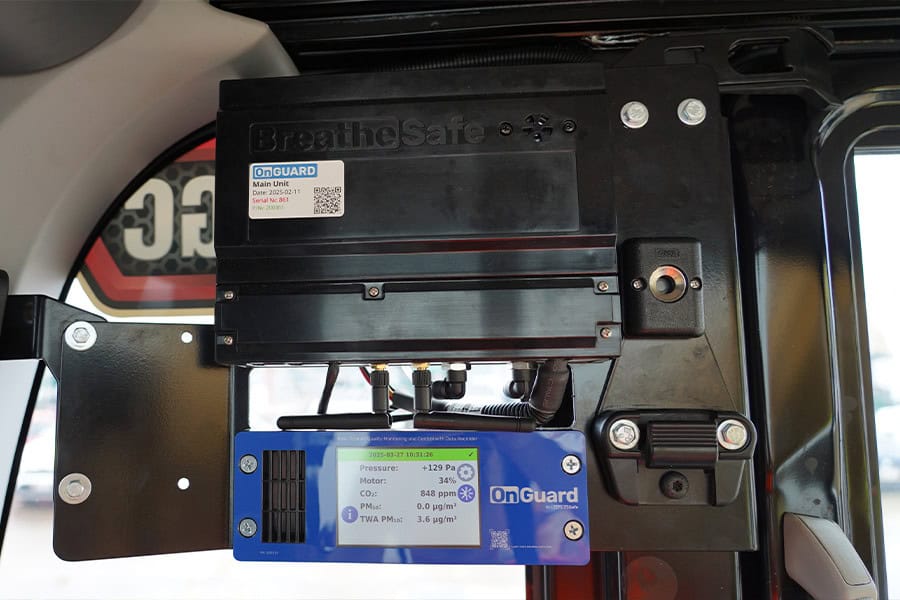
Air Quality Monitor and Controllers
Supports cabin air quality management through real-time monitoring, precise control and seamless integration with BreatheSafe’s HEPA filtration systems, helping operators address requirements such as ISO 23875 and the MSHA Silica Rule.
Learn More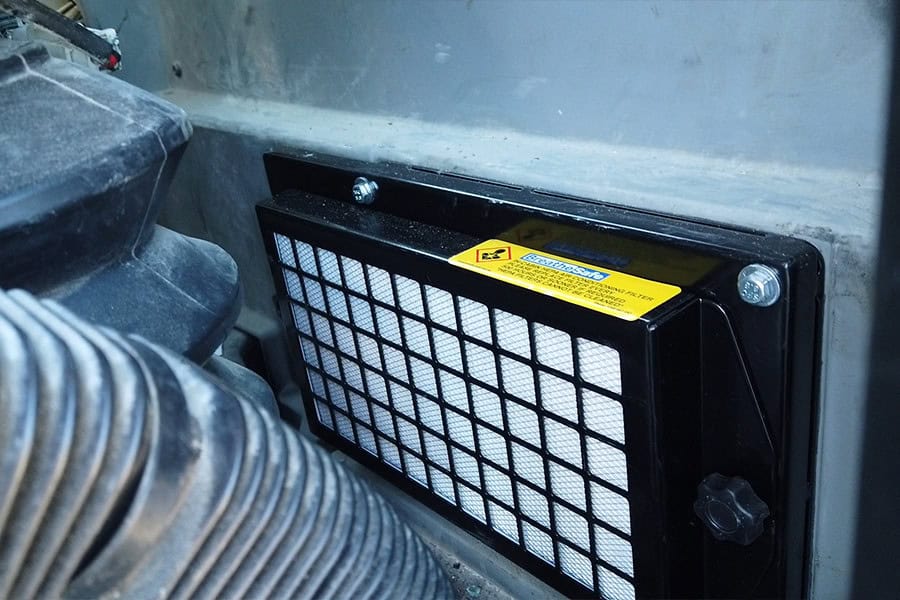
Custom Panel HEPA Recirculation Filter
Designed to integrate with the cabin’s HVAC system, it captures airborne particles and provides clean recirculated air in a durable, OEM-ready metal housing designed for straightforward installation.
Learn More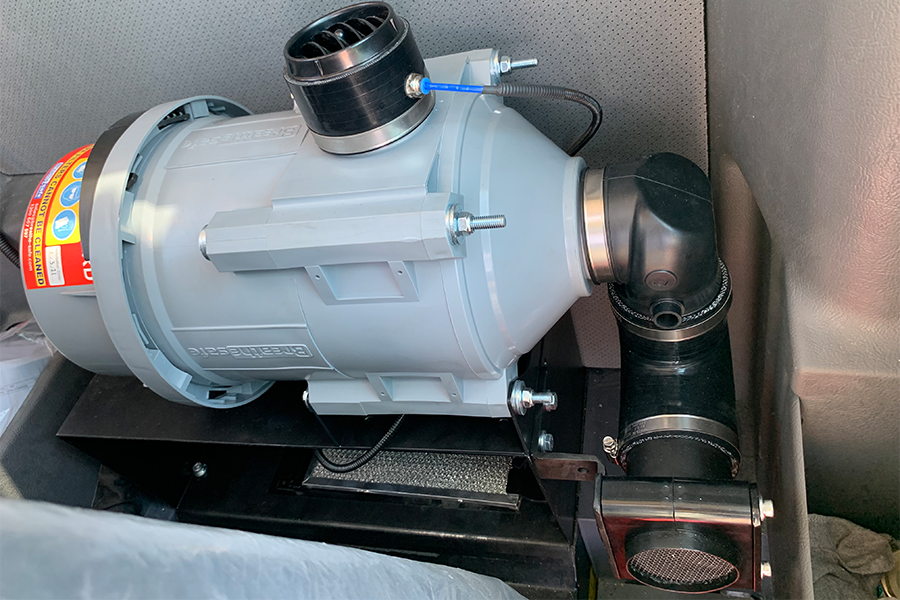
Powered HEPA Recirculation Filter
Equipped with a HEPA H14 filter and variable speed motor, it actively filters recirculated air, rapidly reducing particle levels after door openings and helping maintain clean air in the operator’s breathing zone.
Learn More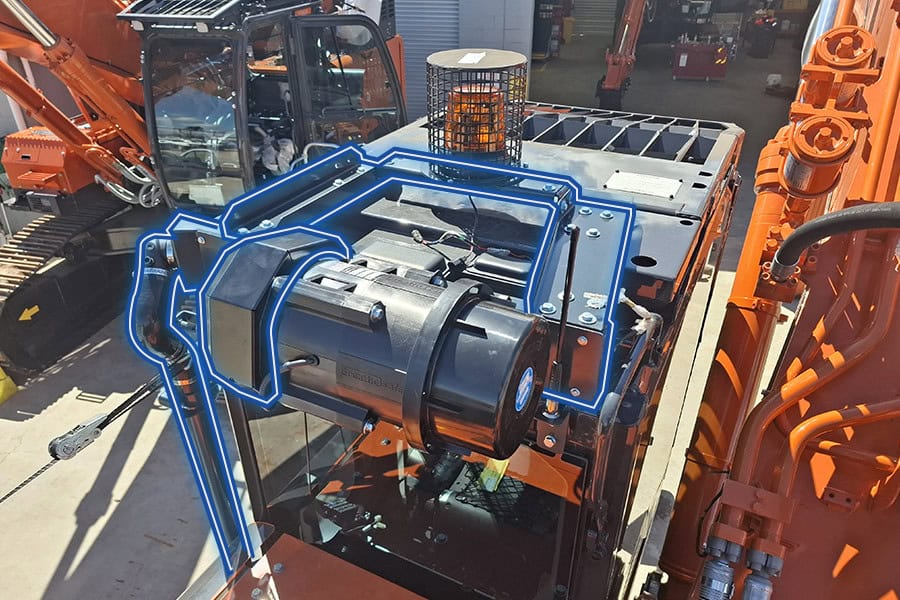
Custom Install Kit
Designed for flexibility and precision, each kit includes the components needed for seamless OEM integration and durable, efficient installation across a wide range of machine types.
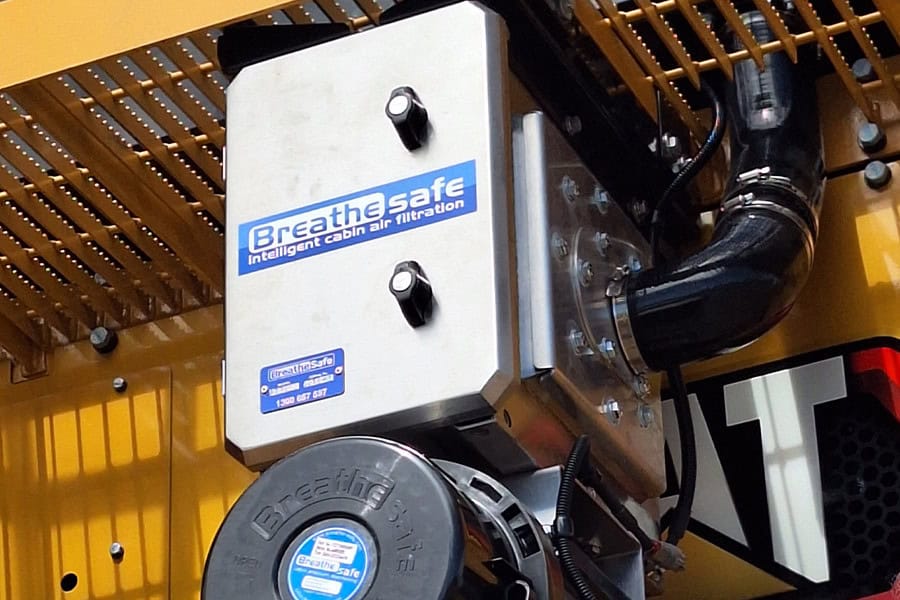
Activated Carbon Filter
Helps remove selected gases, vapours and odours by adsorbing airborne chemicals that particle filters cannot capture. Suitable for selected applications involving diesel exhaust, VOCs and chemical exposure.
Learn MoreHow It Works
Pressurise The Cabin With Clean Air (1st HEPA)
The BreatheSafe system protects operators by pressurising cabins with HEPA-filtered air, preventing hazardous dust, silica, and airborne contaminants from entering.
Our HEPA air filtration system helps you exceed industry standards, such as MSHA, ISO 23875 or RS20. Ensuring a safer work environment in mining, construction, and heavy industries while reducing respiratory risks.
Recirculating and Filtering In-Cabin Air (2nd HEPA)
Even in a sealed cabin, contaminants can be introduced through clothing and equipment. BreatheSafe continuously recirculates in-cabin air, filtering it twice through HEPA-grade filtration to remove fine dust, allergens, and pathogens.
The second stage of filtration maximises efficiency to shorten decay time, rapidly reducing airborne contaminants and restoring clean air within minutes. It means that operators breathe cleaner air faster, minimising exposure to harmful particles while enhancing HVAC efficiency and overall cabin air quality.
Air Quality Controller Monitors The Air
BreatheSafe controllers monitor air quality in real time, eliminating manual inspections and reducing dust exposure. By analysing particulates, pressure, and temperature, they optimise system performance and extend component life.
The OnGuard controller features an automated high-dust and CO₂ flush, purging contaminants when needed. This maintains optimal air quality, prevents CO₂ buildup, and reduces operator fatigue, ensuring a safer, more productive work environment.
Filtering VOCs Using Activated Carbon Add On
Industries such as mining, agriculture, landfills, smelters, and industrial processing expose operators to volatile organic compounds (VOCs), exhaust fumes, and chemical vapours, increasing health risks.
The BreatheSafe activated carbon module effectively absorbs harmful gases, preventing toxic airborne chemicals from accumulating inside the cabin.
Powered Recirculation Filter Add-On (3rd HEPA)
In extreme environments where airborne dust levels remain consistently high, continuous removal of particulates is essential for maintaining safe cabin conditions.
The BreatheSafe Powered Recirculation Filter unit draws in dusty cabin air, filters it through a HEPA H14 filter, and recirculates clean air back.
Reducing cabin decay time and minimising dust loading on the HVAC recirculation filter.
Is Your Fleet Ready for WES to WEL?
Australia’s workplace exposure limits are changing from 1 December 2026. Review your cabin filtration and pressurisation systems with BreatheSafe to identify improvements that help protect operators and support your exposure control requirements.
Frequently Asked Questions
What is a cabin pressurisation system, and why is it important?
How should I prepare for the transition from WES to WEL?
Why do my HVAC systems fail, and can a cabin pressurisation system help?
Common issues for HVAC units in dusty environments include blocked filters, poor cabin sealing, leaking door seals, contaminated outside air, unstable airflow, and dust build-up inside the HVAC unit.
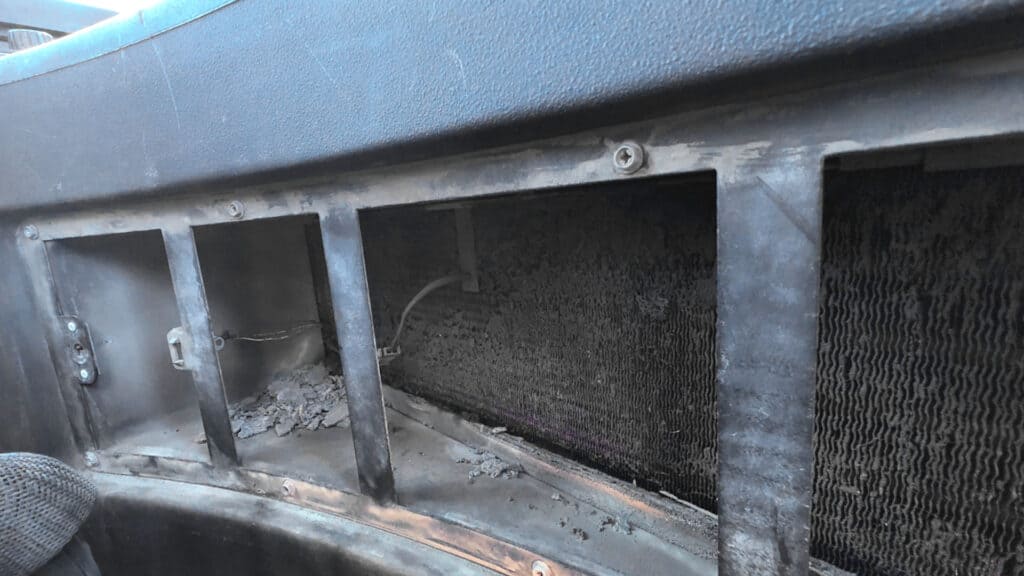
Photo of a low-grade return air filter causing debris build-up on evaporator coil and leading to HVAC unit failure.
From site experience, one of the most critical concerns is the dust built up, causing blockage of the evaporator coil. When dust and fine particles are allowed to circulate inside the cabin, they can build up on the evaporator coil, reduce cooling efficiency, restrict airflow, and increase stress on the HVAC system.
When fitted with a "closed-circuit" cabin pressurisation system, internal dust is continuously scrubbed by the HEPA recirculation filter, while the HEPA pressuriser helps maintain positive pressure. This reduces the chance of dust reaching the operator’s breathing zone and the HVAC unit. It also helps protect critical HVAC components, such as the evaporator coil and supports more reliable system performance in harsh environments.
Related Topic: What is a "Closed-Circuit Pressurisation System"?
What are the key requirements for a cabin pressurisation system?
Does a cabin pressurisation system protect against gases and fumes?
A standard cabin pressurisation system with particulate filtration is designed to protect against dust and airborne particles, including respirable dust and silica. Particulate filters do not remove gases, fumes, or chemical vapours.
If your machines operate in environments with diesel exhaust, VOCs, landfill gases, smelter fumes, or other hazardous gases, an activated carbon filter should be used alongside the cabin pressurisation system to address both particulate and gas phase contaminants.
Related Topic: Working with hazardous gases and vapours
What maintenance spare parts are needed for a cabin pressurisation system?
Media
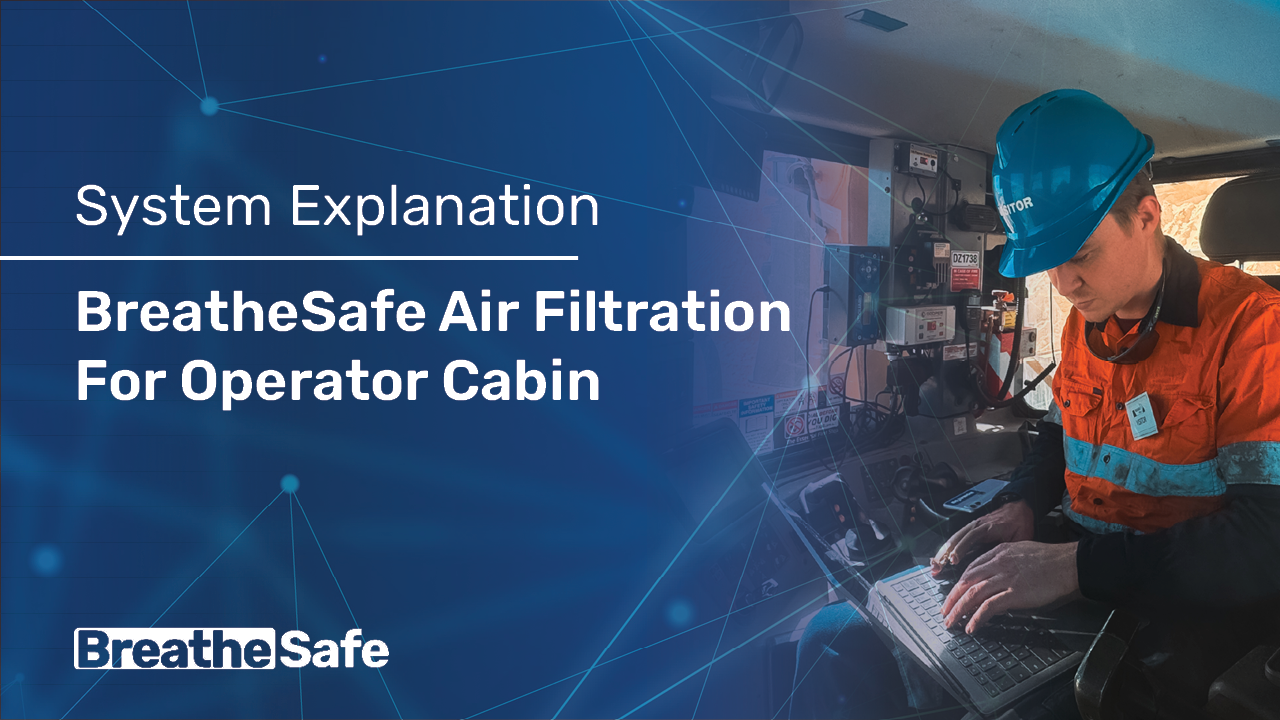
BreatheSafe System Explanation
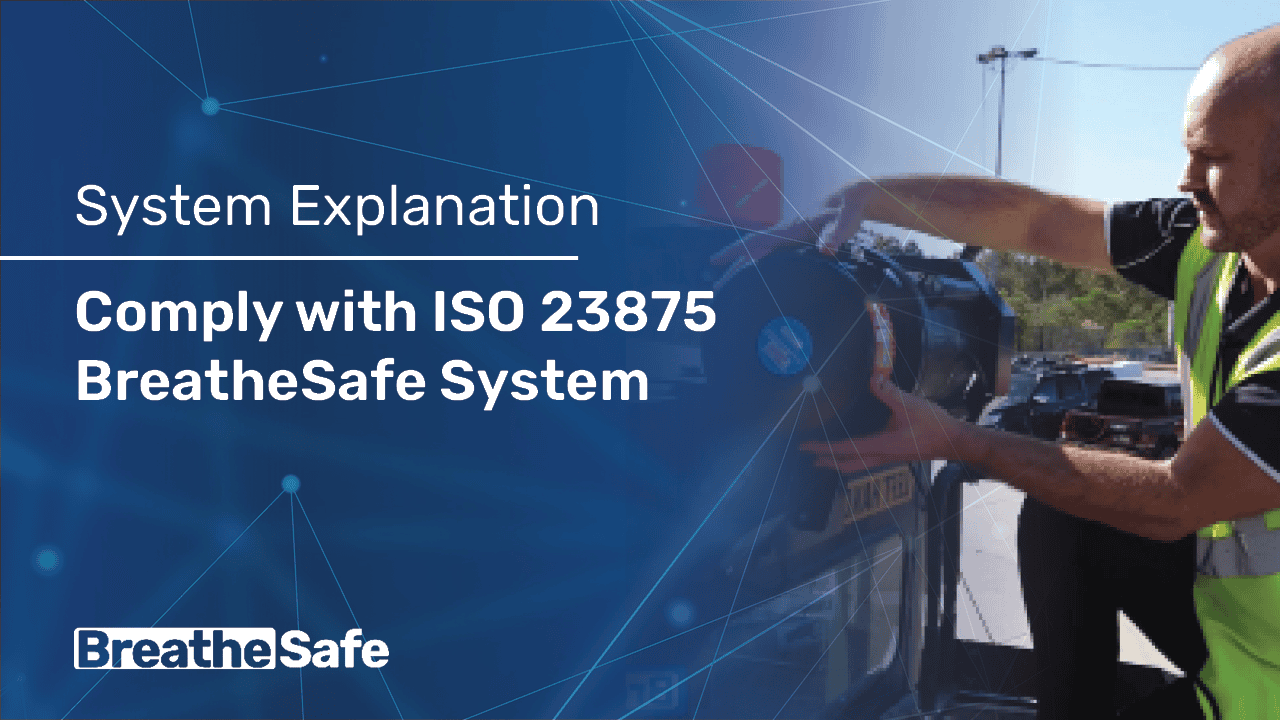
Exceed ISO 23875 with BreatheSafe
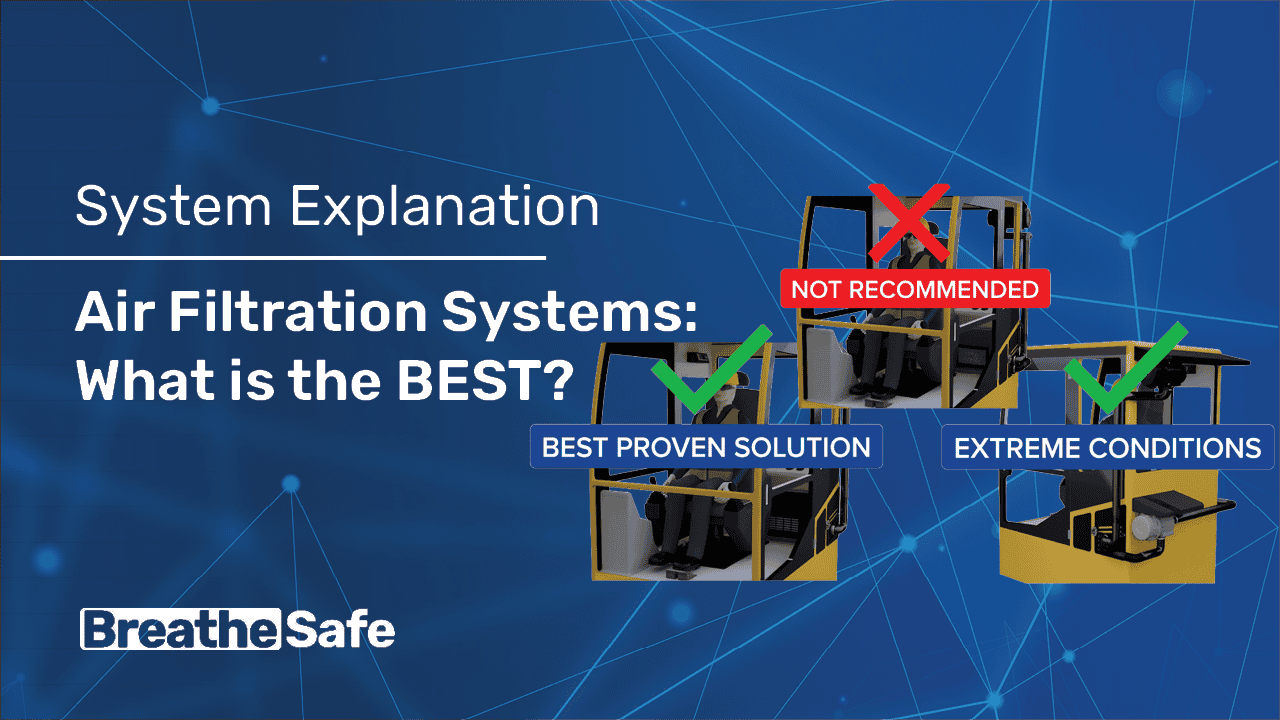
The Best Air Filtration System Setup
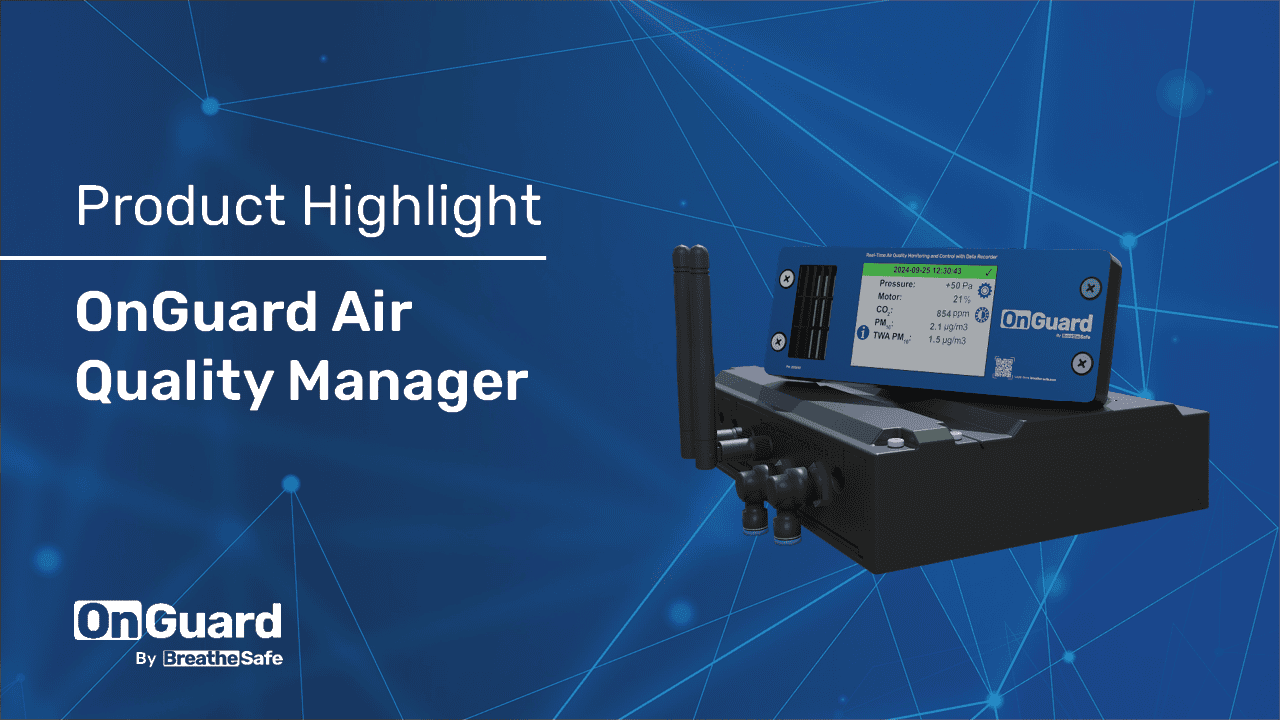
OnGuard Remote Controller
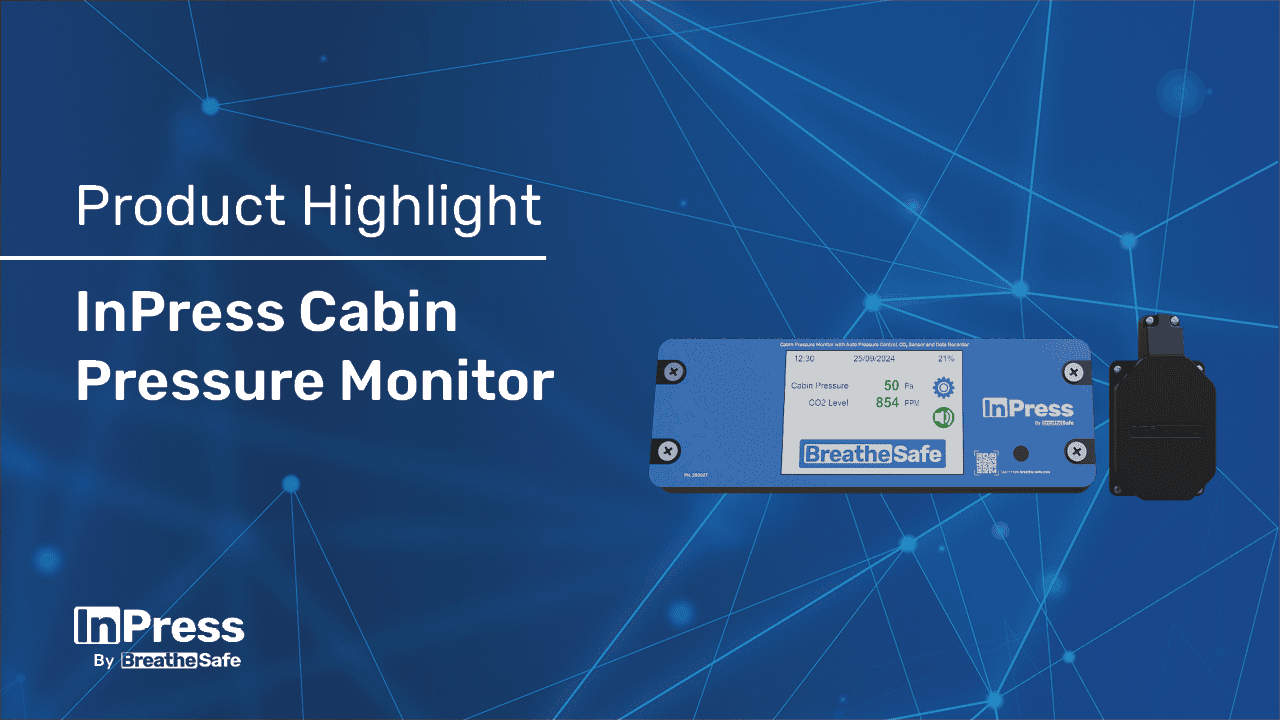
InPress Controller + CO₂ Sensor
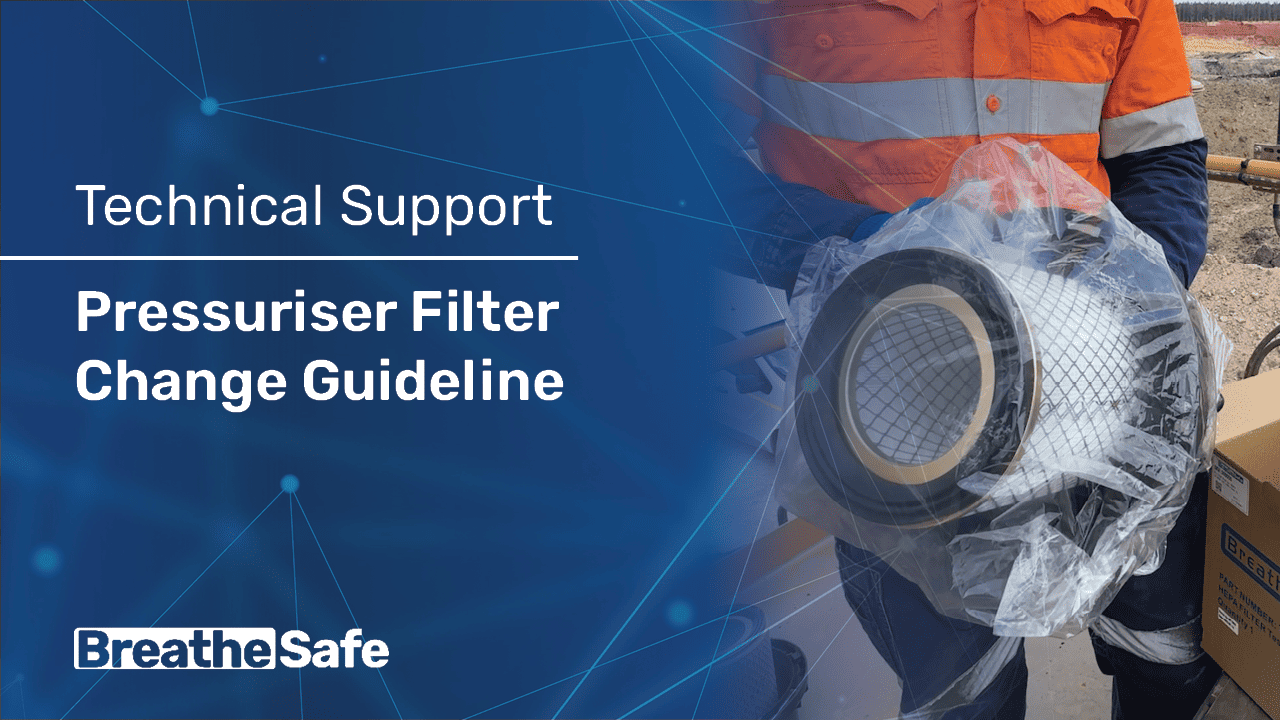
Filter Replacement Guideline
Other Solutions
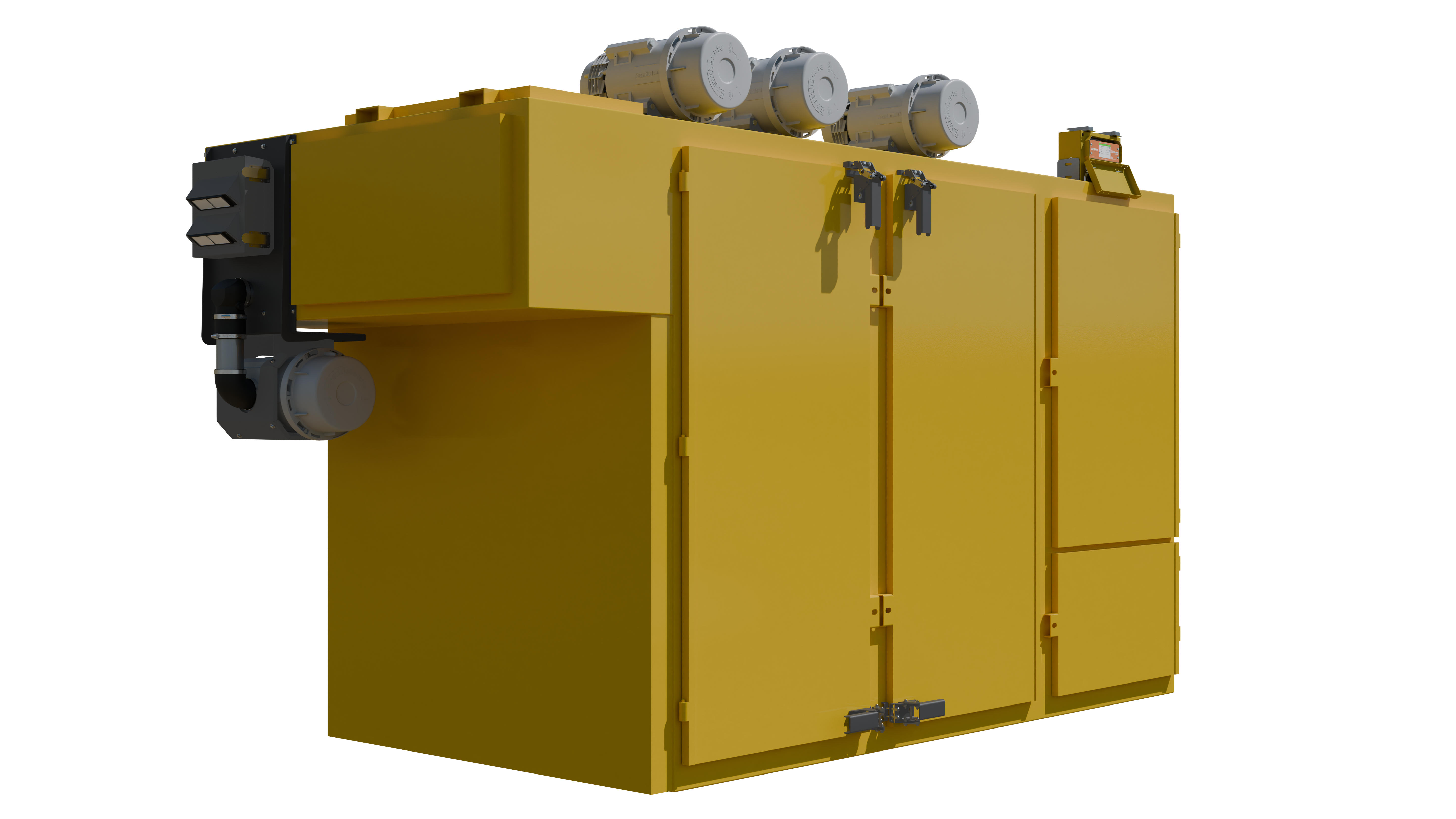
Electrical Cabinet Pressurisation
Clean Room Pressurisation

Build Your Own