
The exposure limits are changing.
Is your fleet's cabin air ready?
Australia moves from WES to WEL on 1 December 2026. These are hard limits, and diesel particulate gets a workplace limit for the first time. For operators who spend shifts inside enclosed machines, cabin air quality is one control worth reviewing now.
Scope: Airborne contaminant exposure limits for Australian mining, construction, and industrial workplaces.
The detail
What's Changing in the Move to WEL
Most limits carry over unchanged, but the review revised a number of values, added limits for new contaminants, and updated how additional health risks are flagged. The contaminants most relevant to enclosed cabins:
Diesel particulate matter gets a workplace limit for the first time, at 0.01 mg/m³, where no standard existed before. For diesel-heavy operations, that's the single most significant change to plan around.
| Substance | Old (WES) | New (WEL) | Change |
|---|---|---|---|
| Diesel particulate matterAs respirable elemental carbon | Not listed | 0.01 mg/m³ | New limit |
| Sulfur dioxide (SO₂) | 2 ppm | 0.25 ppm | ↓ 8× lower |
| Nitric oxide (NO) | 25 ppm | 2 ppm | ↓ 12.5× lower |
| ManganeseInhalable, welding fume | 1 mg/m³ | 0.1 mg/m³ | ↓ 10× lower |
| Carbon monoxide (CO) | 30 ppm | 20 ppm | ↓ Lowered |
| Respirable crystalline silicaQuartz, under further review | 0.05 mg/m³ | 0.05 mg/m³ | No change* |
| AsbestosAll forms | 0.1 f/mL | 0.1 f/mL | No change |
Values are 8-hour time-weighted averages, condensed for this page. *Silica is under further review and its existing value still applies. See the full WES to WEL breakdown and notes.
A WEL is a limit, not a line between safe and unsafe. The law asks you to reduce exposure so far as is reasonably practicable, not simply stay under a number. Lower limits leave less headroom, and engineering changes take time, so a cabin review is worth starting in good time.
What this means for your cabins
Three Steps to Work Through
WEL regulates worker exposure, not cabins. But for operators who spend shifts inside enclosed machines, cabin air quality is one control you can improve and document.
The path is straightforward:
Know your numbers
Check which contaminants your operators are exposed to, and which limits relevant to you have changed.
Look at the cabin
Sealing, fresh-air filtration, positive pressure, and monitoring all affect what reaches the operator inside.
Talk it through with us
Not sure where your fleet stands? We'll help you work out where cabin air quality fits and what's worth doing first.
Request a cabin air review →How we help
Supporting the cabin side of your exposure control
Pressurisation is one of the most effective engineering controls for reducing the contaminants that reach an operator inside the cabin. BreatheSafe's system is built on four pillars that work together, each helping maintain filter efficiency, extend filter life, and keep the operator protected through the shift.
Four pillars of BreatheSafe air pressurisation system
Positive Pressure
Holds the cabin above outside pressure, so unfiltered air can't leak in.
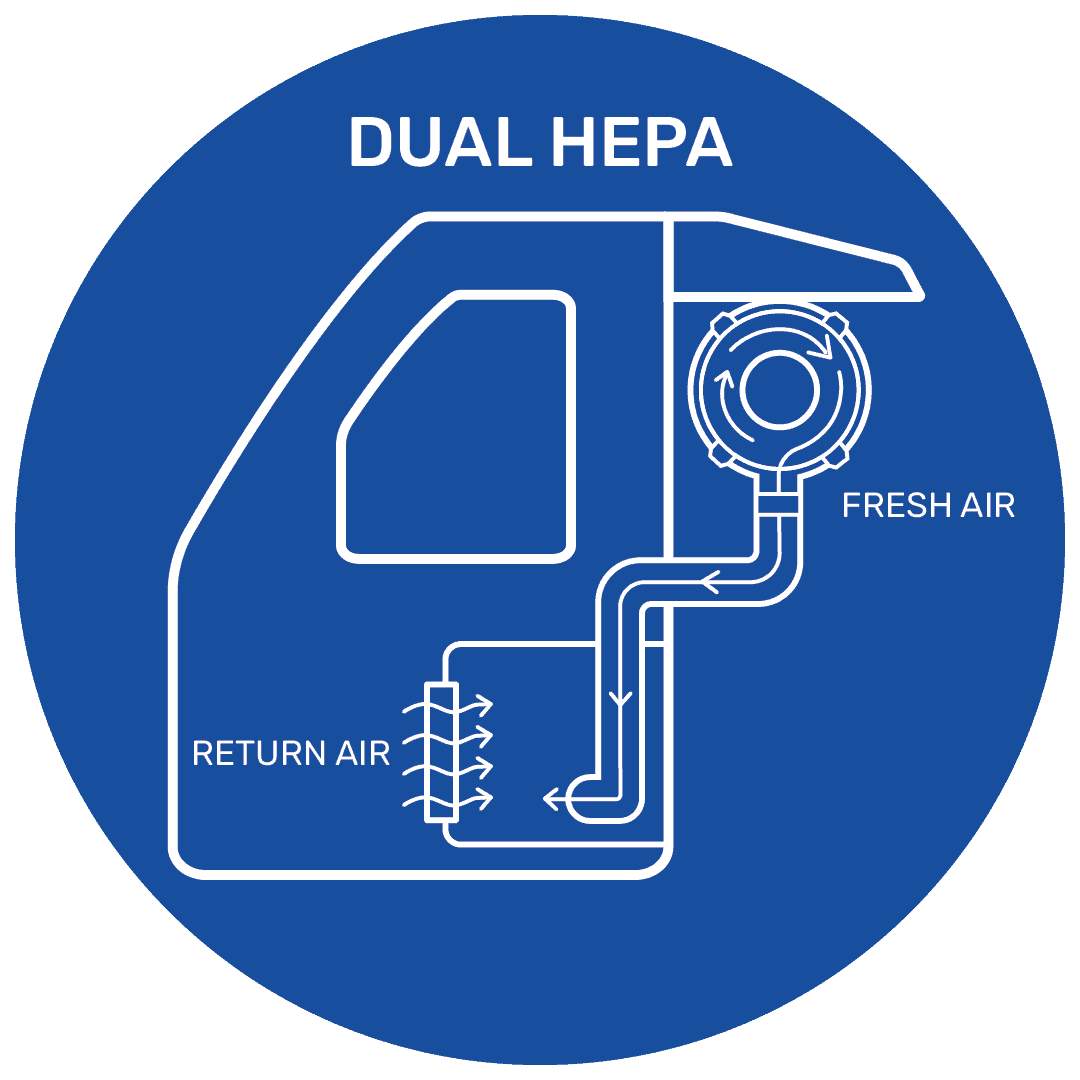
Dual HEPA Filtration
A sealed enclosure is what makes pressurisation and filtration actually work.
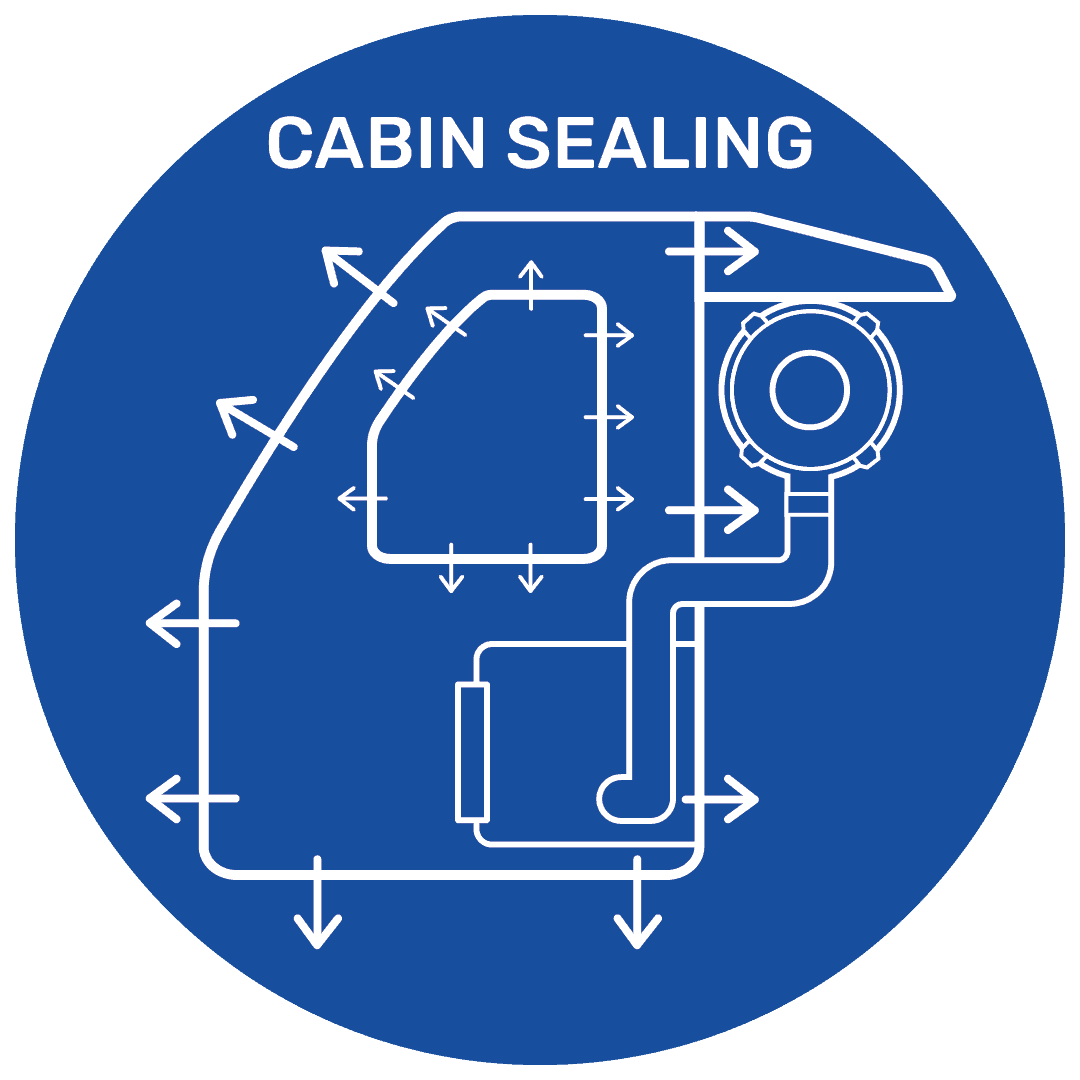
Cabin Sealing
Filters fresh-air intake and return air to capture fine dust and particulate.

Air Quality Monitoring
Live display and alarms show operators when the system needs attention.
Take it with you
Mobile equipment cabin review checklist
Run through these with your fleet in mind. Anywhere you can't tick the box is a useful starting point for a conversation
Spotting gaps? Send us your fleet details and we'll help you work through them.
Frequently Asked Questions: Workplace Exposure Limits
When do Workplace Exposure Limits take effect?
What's the difference between WES and WEL?
WEL is the renamed and reviewed version of WES. The name change signals that these are enforceable limits that must not be exceeded. The review also revised some limit values, added contaminants, updated advisory notations, and set non-threshold genotoxic carcinogens apart on a separate list.
What are the three types of exposure limit?
Does WEL apply to mobile equipment cabins?
WEL applies to airborne contaminants in workplaces broadly. Mobile equipment cabins are one relevant area, because operators may be exposed to dust, silica, or diesel particulate during work. Cabin air quality is one way to manage that exposure.
How does cabin air quality fit into WEL compliance?
Does cabin pressurisation reduce operator exposure to dust?
Review your fleet before the 2026 deadline
Send us your machine details and site conditions. We'll help review suitable cabin pressurisation, HEPA filtration, monitoring, and maintenance options for your fleet.