

Clean Room
Pressurisation Systems
Protect your workers with a dual HEPA filtration system during work breaks.

BreatheSafe for Clean Room
Dual HEPA-Filtered, Pressurised, Monitored and Controlled
RoomSafe by BreatheSafe
Clean room filtration and pressurisation solution to protect operators in control rooms and battery bays from dust, vapours, and environmental contaminants.
Positive Pressure & Recirculated Air Filtration
Utilises advanced filtration technology and powered recirculation to maintain positive pressure. Ensures only filtered air enters and continuously circulates for a clean, safe, and controlled environment.
Providing Safe Operator Spaces
Ensures designated areas remain dust-free, reducing operator exposure to harmful particulates during rest, meals, and off-equipment time.
Applications
Support a wide range of industries, including Mining, Civil Construction, Tunnelling, Landfill etc.
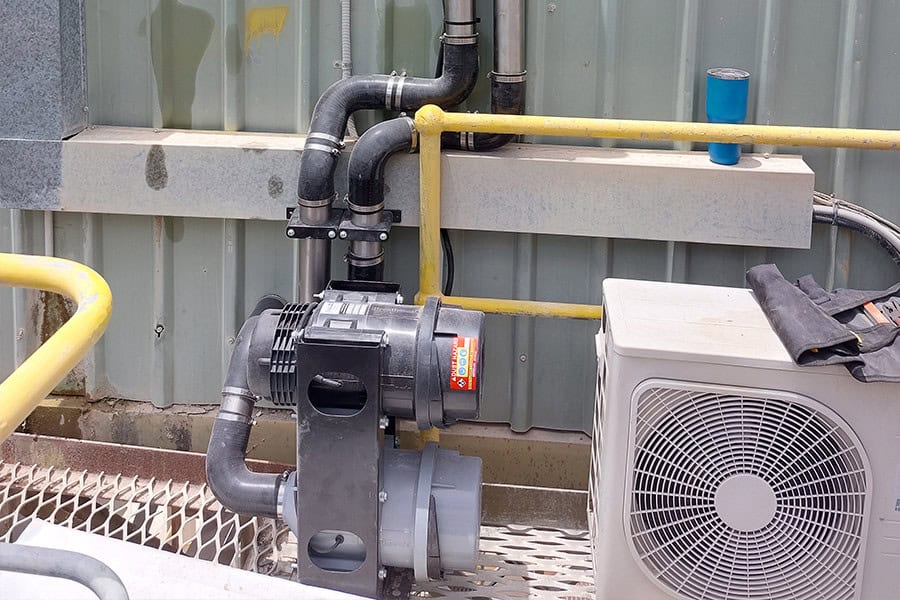
Crusher Room Pressurisers
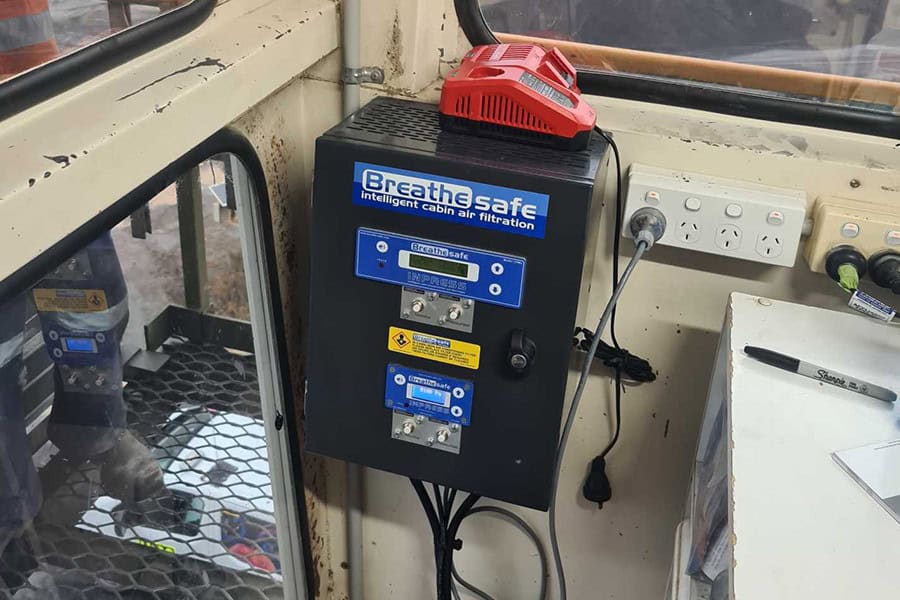
Clean Room Controllers
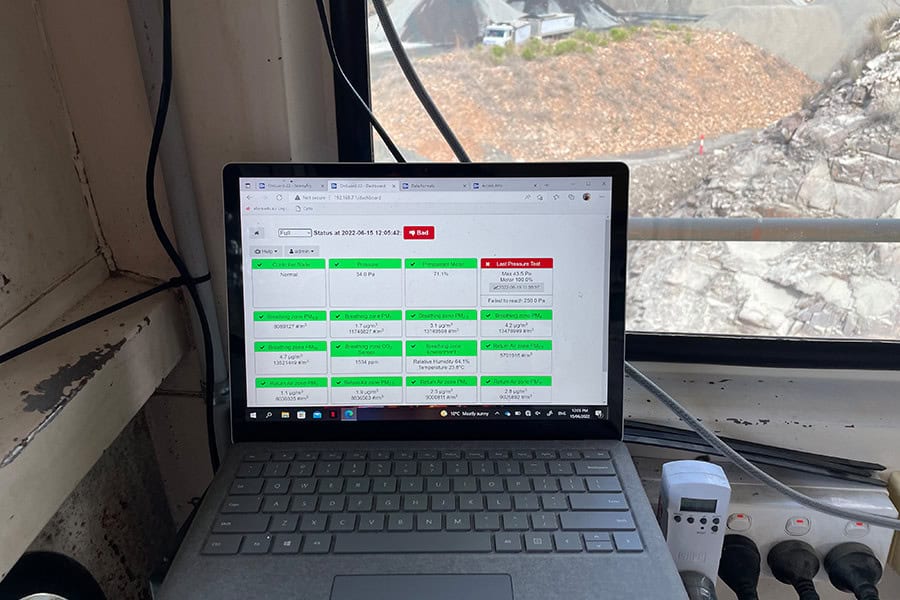
Clean Room OnGuard Remote Control
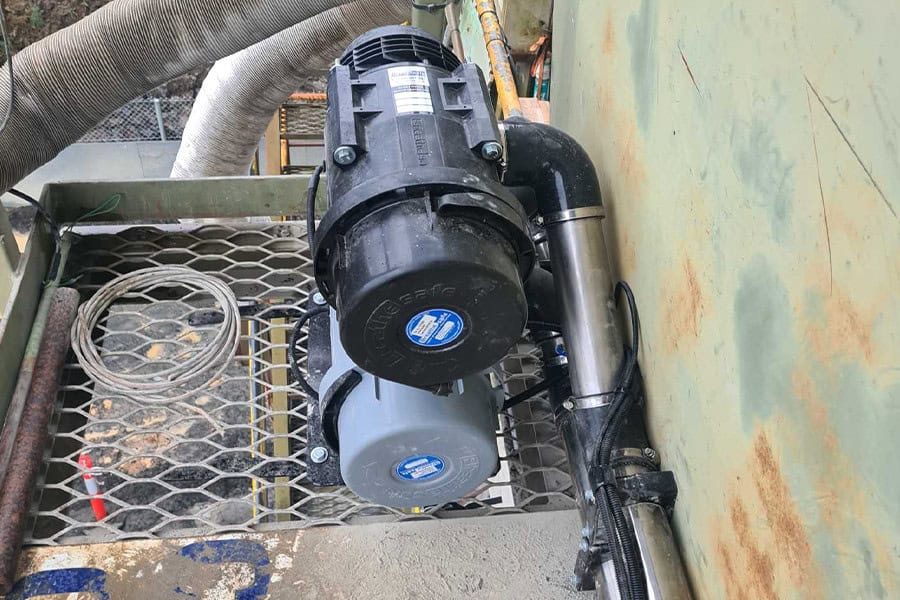
Clean Room Pressurisers
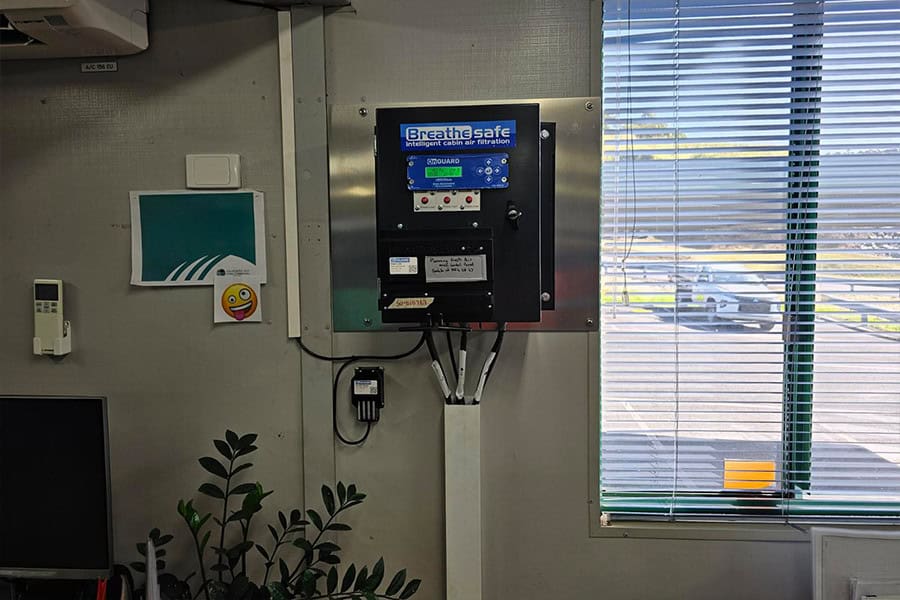
Clean Room OnGuard Controller
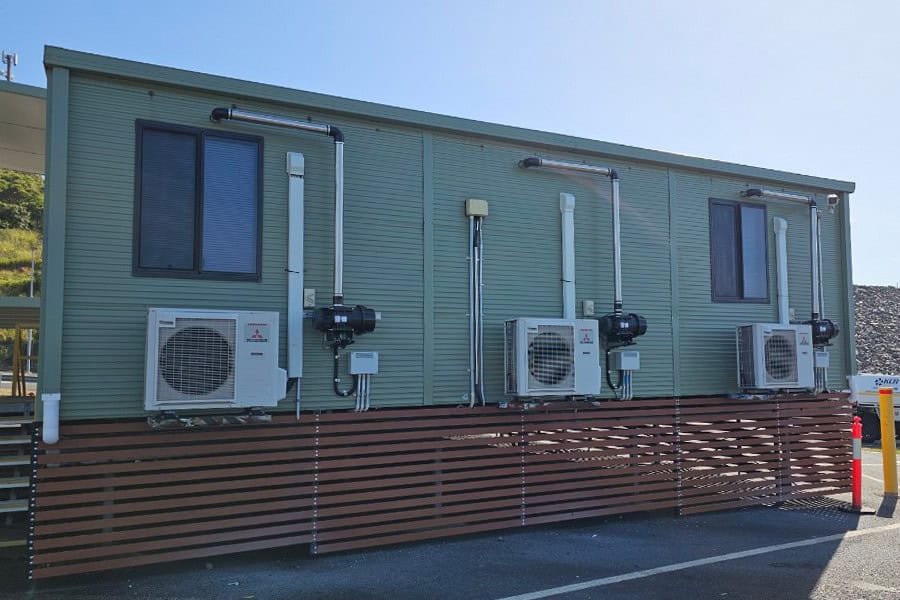
Clean Room Pressurisers
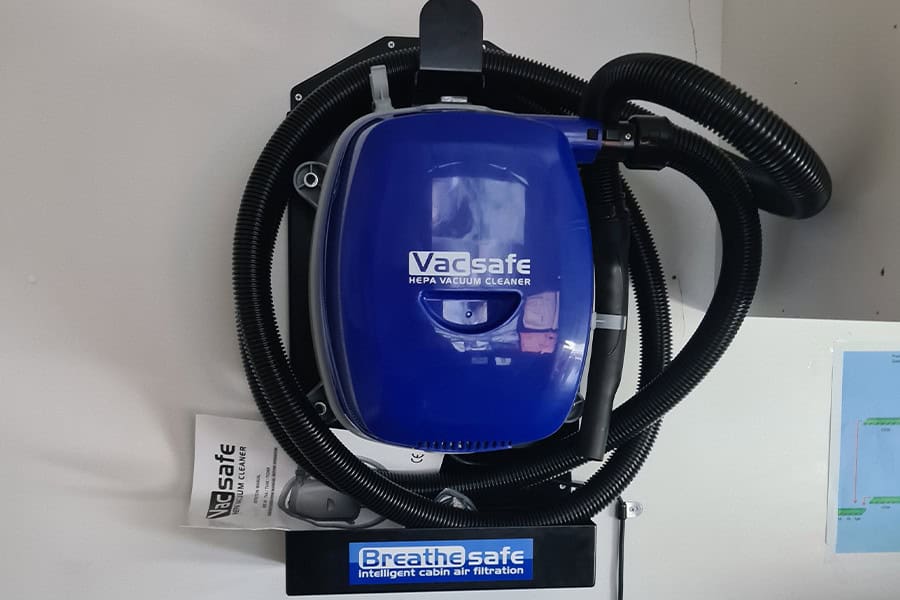
Clean Room HEPA Vacuum Cleaner
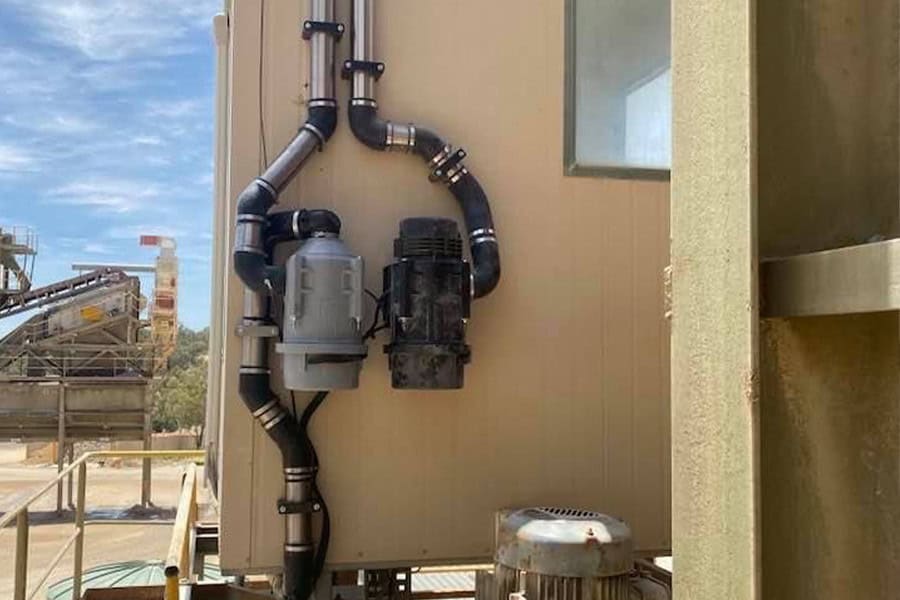
Clean Room Pressurisation System
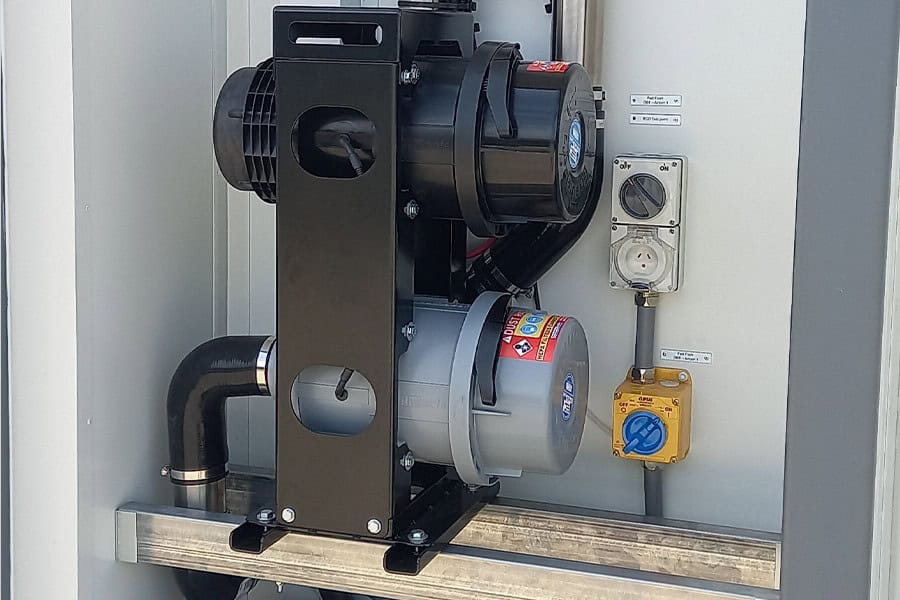
Container Clean Room
Clean Room HEPA Vacuum Cleaner
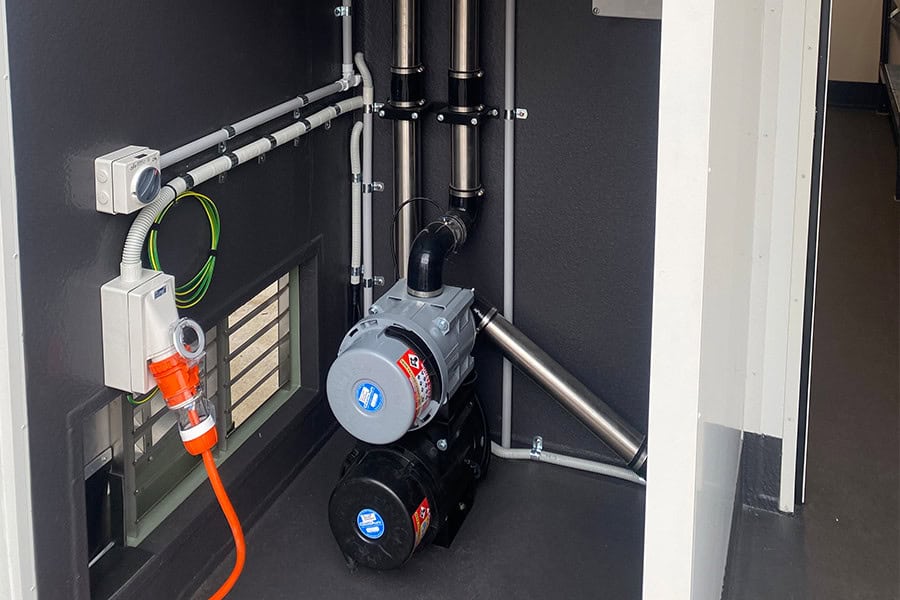
Container Clean Room Pressurisers
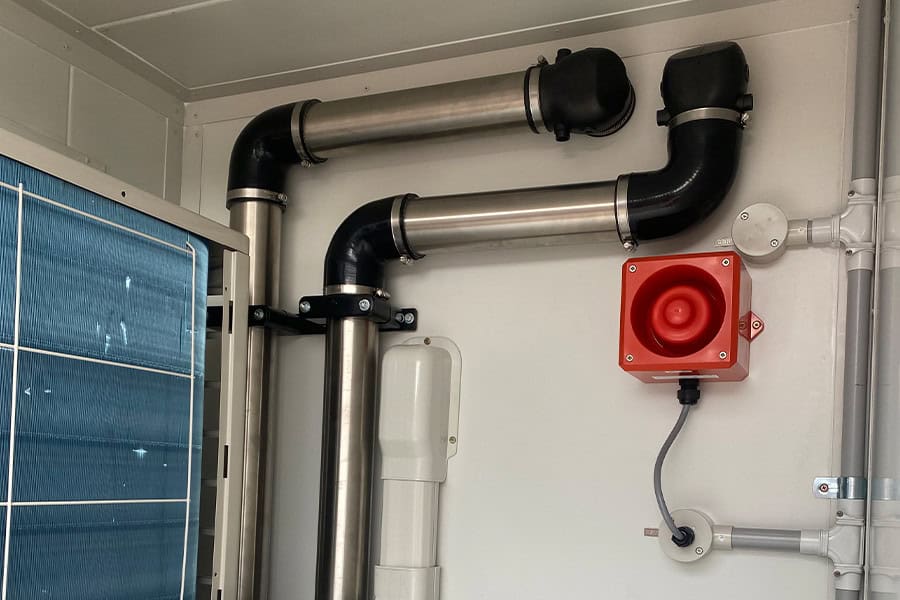
Container Clean Room Ducting
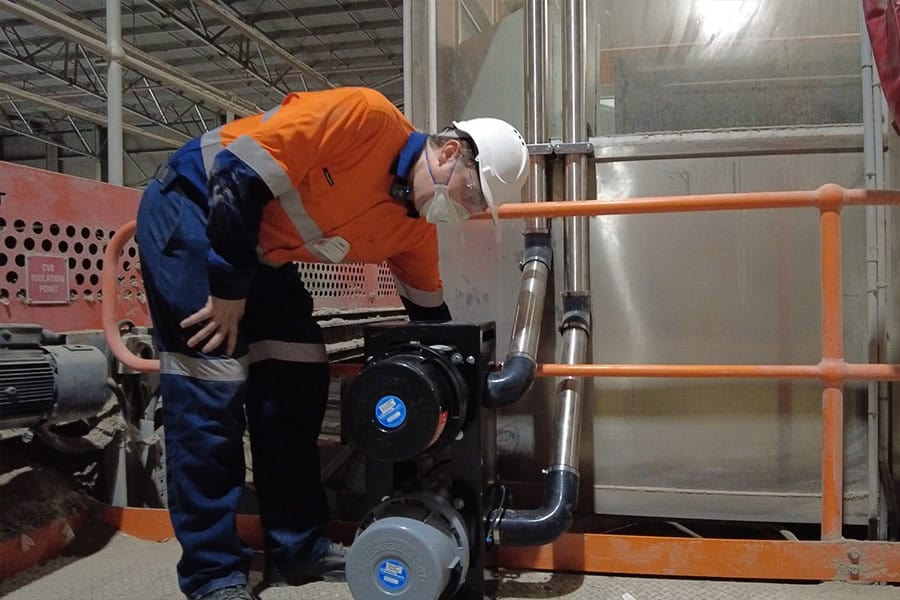
Clean Room Pressurisers
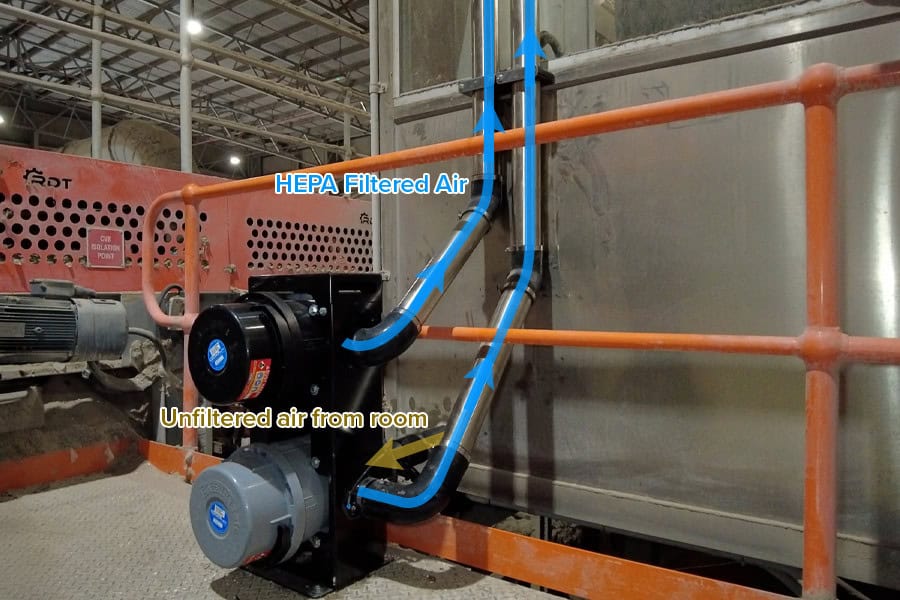
Clean Room Air Flow
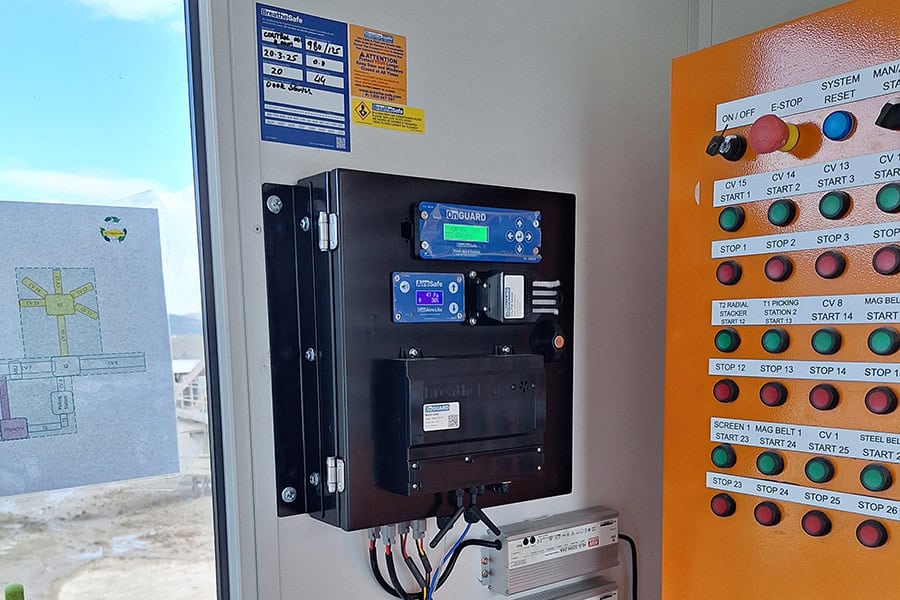
Clean Room Controllers
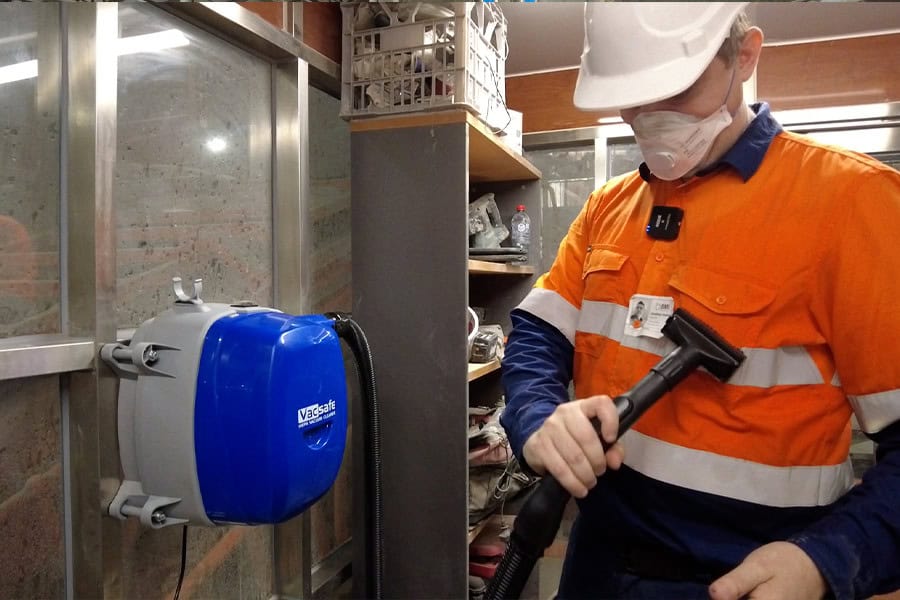
VacSafe HEPA Vacuum Cleaner
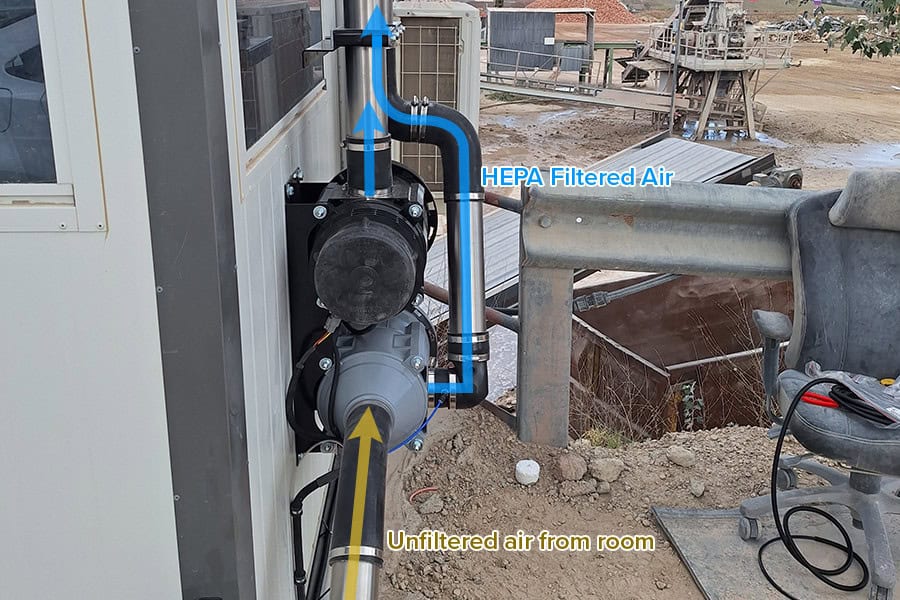
Clean Room Pressurisers
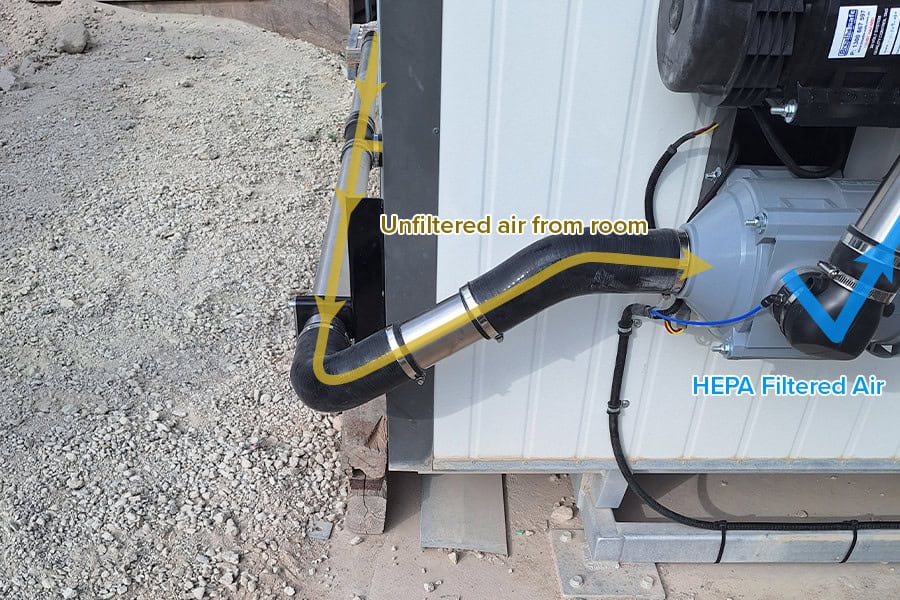
Clean Room Air Flow
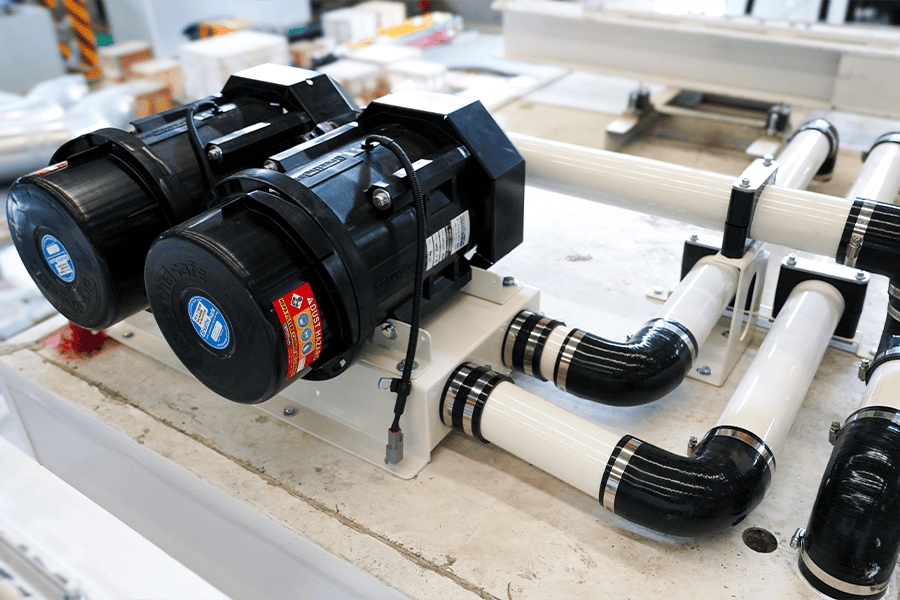
TBM Break Room (Roof Mounted)
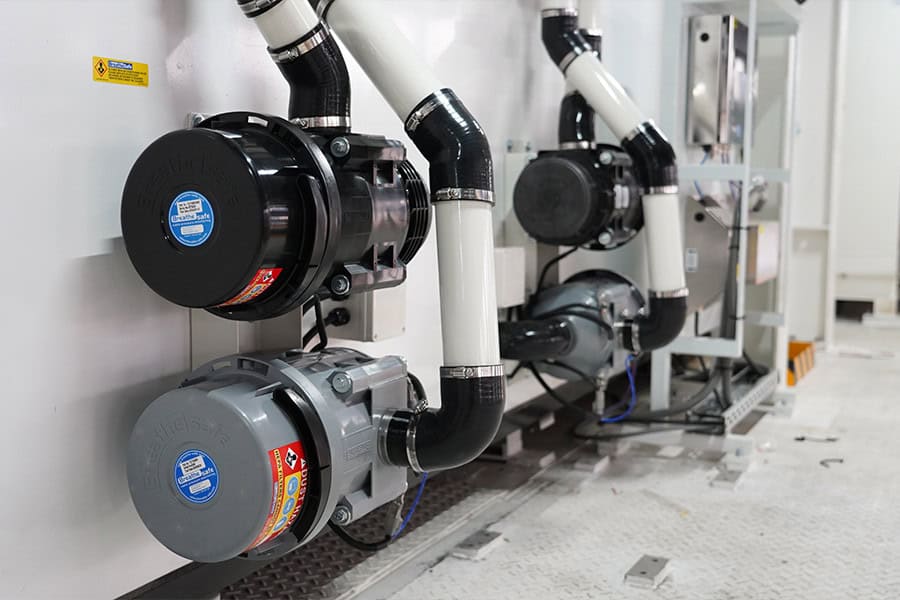
TBM Control Room (Wall Mounted)
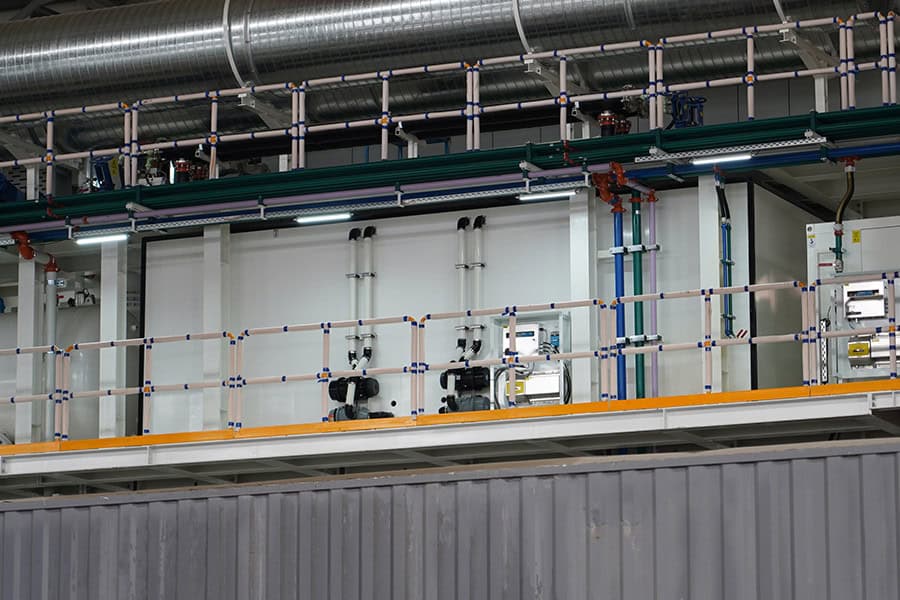
TBM Pressurisation System
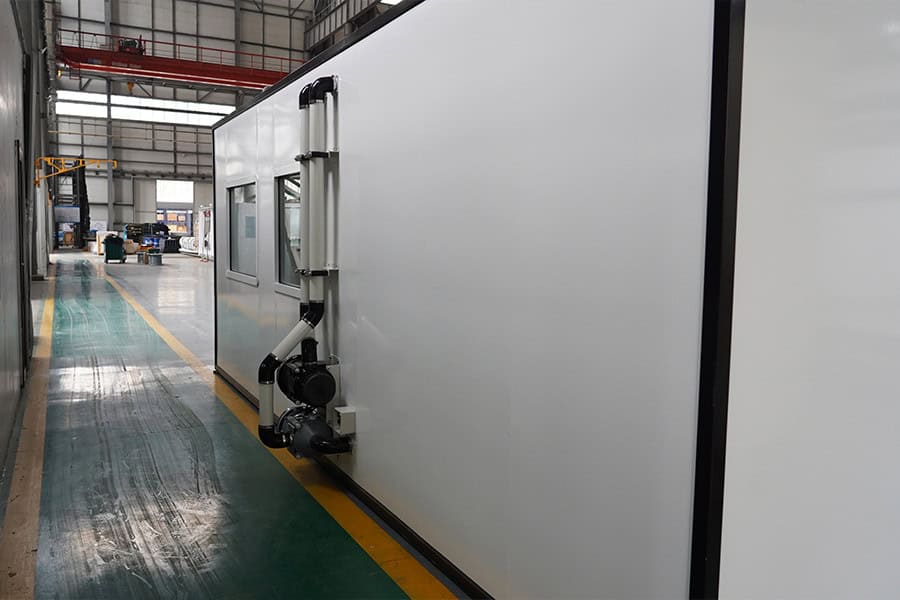
TBM Break Room Pressurisers
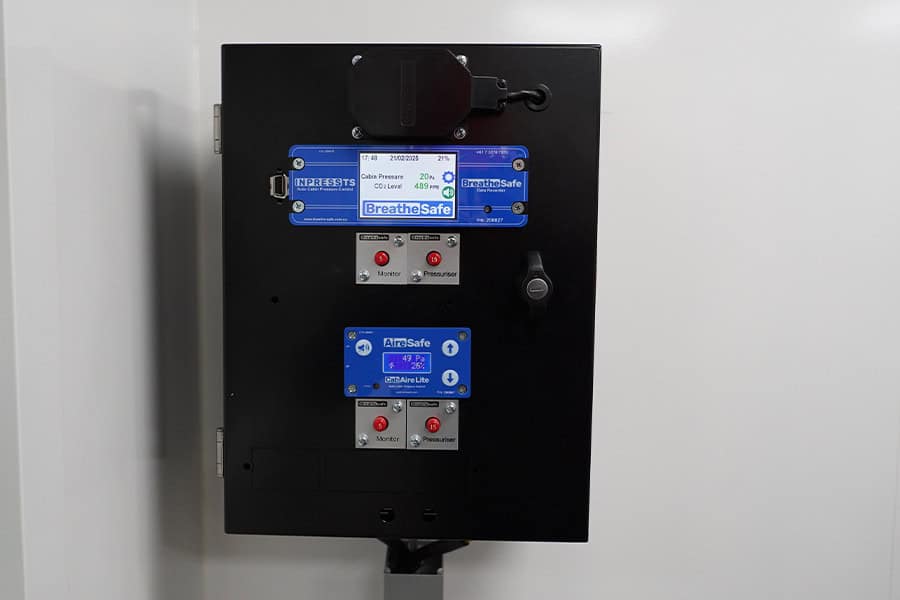
TBM Control Room Controllers
RoomSafe Components
TL High-Pressure HEPA Pressuriser
Equipped with a HEPA H14 filter, variable speed motor and fully IP66-rated design, it delivers filtered air to help maintain positive pressure in rooms and enclosed workspaces operating in harsh environments.
Learn More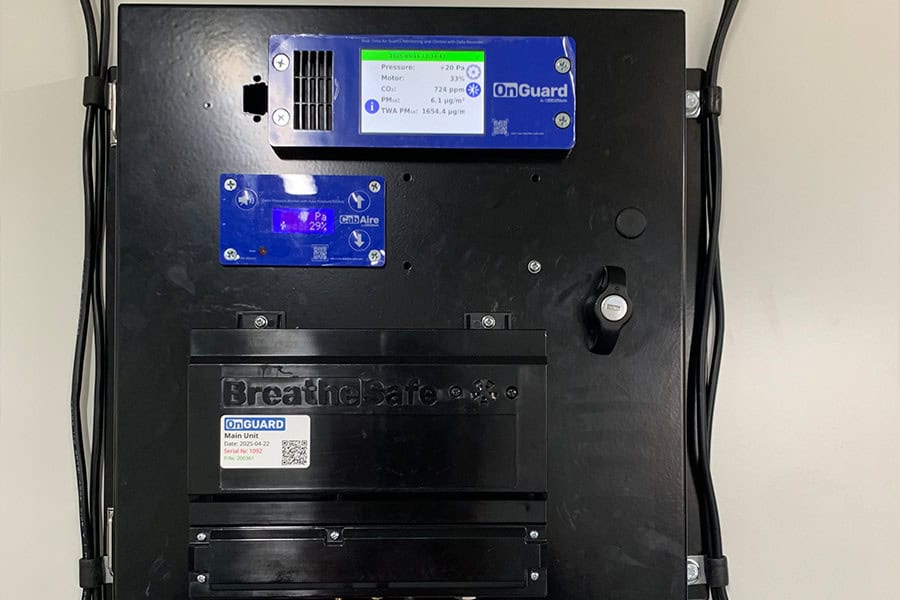
Air Quality Monitor and Controller
Provides real-time monitoring and precise control, with seamless integration into BreatheSafe’s HEPA filtration systems to help maintain a controlled indoor environment.
Learn MorePowered HEPA Recirculation Filter
Equipped with a HEPA H14 filter and variable speed motor, it actively filters recirculated room air, helping reduce airborne particle levels after door openings and maintain cleaner air in control rooms and enclosed workspaces.
Learn MoreVacSafe HEPA Vacuum Cleaner
Equipped with a HEPA filter, designed to capture fine dust and airborne particles. Suitable for use in operator cabins, clean rooms and other controlled environments requiring efficient dust removal.
Learn More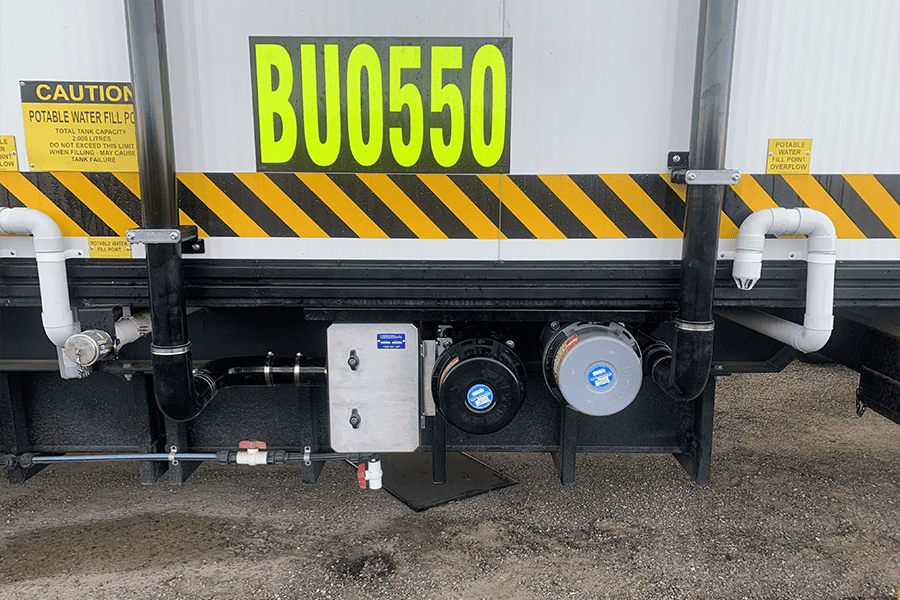
Activated Carbon Filter
Helps remove selected gases, vapours and odours by adsorbing airborne chemicals that particle filters cannot capture. Suitable for selected applications involving diesel exhaust, VOCs and chemical exposure.
Learn MoreHow It Works
Hover over the images to play the videos
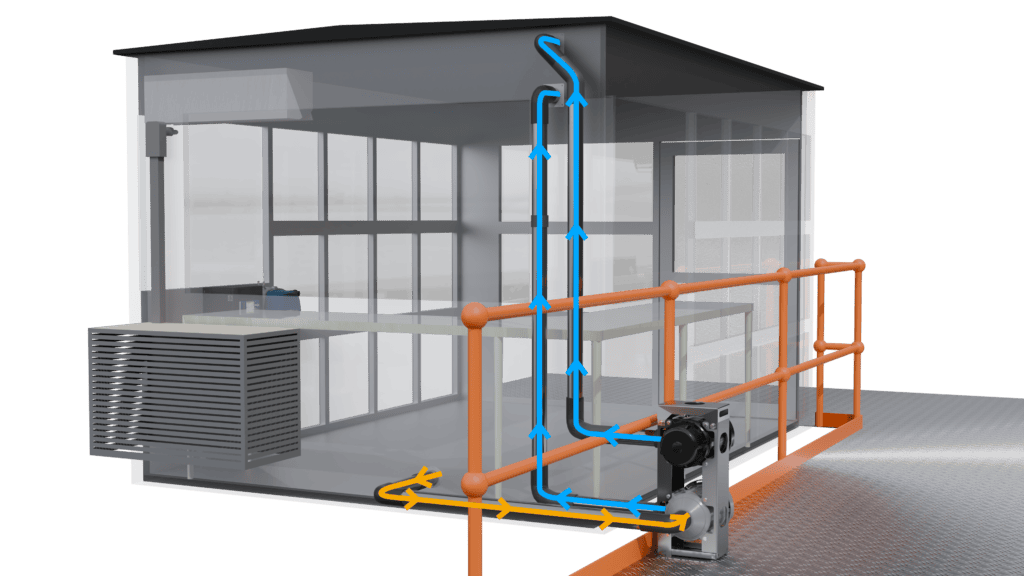
Pressurise The Room With Clean Air (1st HEPA)
The BreatheSafe system protects operators by pressurising rooms with HEPA-filtered air, preventing hazardous dust, silica, and airborne contaminants from entering.
Our HEPA air filtration system helps you exceed industry standards, such as MSHA, ISO 23875 or RS20. Ensuring a safer work environment in mining, construction, and heavy industries while reducing respiratory risks.
Recirculating and Filtering Room Air (2nd HEPA)
Contaminants can be introduced by frequent entry and exit, as well as through operators' clothing and equipment. Our Powered Recirculation Filter continuously recirculates the room air, filtering it twice through a HEPA H14 filter to remove fine dust and supply clean air back into the room.
The second stage of filtration maximises efficiency to shorten decay time, rapidly reducing airborne contaminants and restoring clean air within minutes. It means that operators breathe cleaner air faster, minimising exposure to harmful particles while enhancing HVAC efficiency and overall cabin air quality.
Air Quality Controller Monitors The Air
BreatheSafe controllers monitor air quality in real time, eliminating manual inspections and reducing dust exposure. By analysing particulates, pressure, and temperature, they optimise system performance and extend component life.
The OnGuard controller features an automated high-dust and CO₂ flush, purging contaminants when needed. This maintains optimal air quality, prevents CO₂ buildup, and reduces operator fatigue, ensuring a safer, more productive work environment.
Filtering VOCs Using Activated Carbon Add On
Industries such as mining, agriculture, landfills, smelters, and industrial processing expose operators to volatile organic compounds (VOCs), exhaust fumes, and chemical vapours, increasing health risks.
The BreatheSafe activated carbon module effectively absorbs harmful gases, preventing toxic airborne chemicals from accumulating inside the cabin.
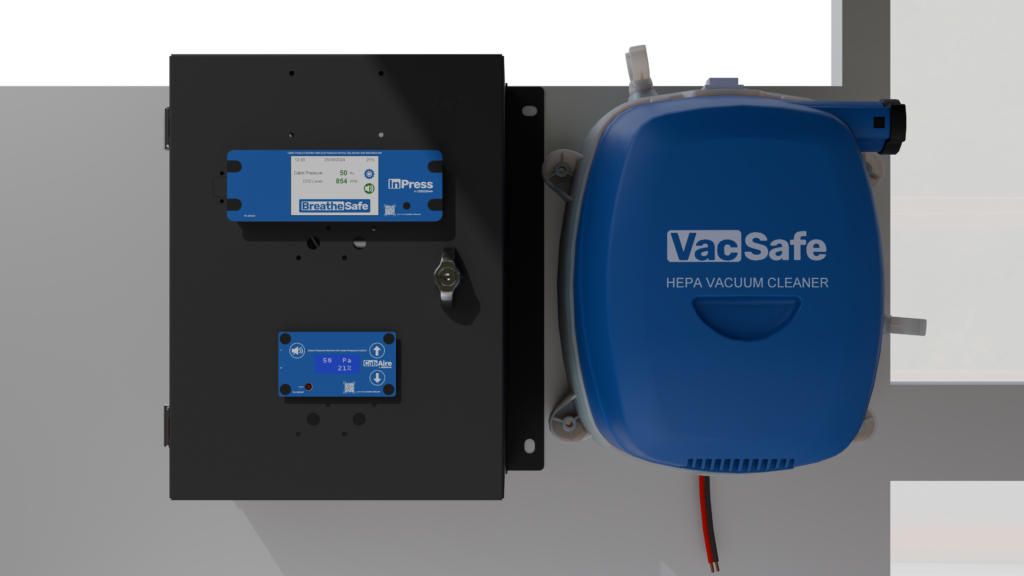
HEPA Vacuum Cleaner
In room filtration systems, increased human traffic must be accounted for as it can introduce additional dust and contaminants. A HEPA vacuum cleaner helps minimise this risk by allowing operators to clean their clothing, equipment, and floors upon entry, reducing airborne dust and supporting the overall effectiveness of the clean room environment.
Is Your Workplace Ready for WES to WEL?
Australia’s workplace exposure limits are changing from 1 December 2026. Review your workplace with BreatheSafe to protect operators and support your exposure control requirements.
Frequently Asked Questions
Where can a clean room pressurisation system be used?
How do you know what pressure and airflow a clean room needs?
Every room has different pressure and airflow requirements depending on its size, leakage points, door access frequency, occupancy level, and the cleanliness level required inside the space.
Some rooms only require enough filtered airflow to maintain stable positive pressure, while other larger or high-traffic rooms require a higher air volume to continuously flush contaminants out as people move through the area.
BreatheSafe runs airflow calculations based on room dimensions, expected leakage, number of access points, and internal room usage to determine:
- Required filtered airflow
- Pressure needed to maintain outward air movement
- Number of pressurisers required for the room
This ensures the room can stay pressurised under real operating conditions rather than only when the room is fully sealed.
How many pressurisers does a clean room need?
What information do I need to provide if I need a clean room filtration system?
To design the correct clean room pressurisation and filtration system, several key pieces of information are usually required.
This includes:
- Room dimensions
- Internal layout or drawings
- Number of doors and windows
- How often do personnel move in and out
- Photos of the room or building, if available
This information allows BreatheSafe to calculate the required airflow, pressure performance, filtration level, and number of pressurisers needed for the application.
The more information provided, the more accurately the system can be designed to suit the actual operating environment.
What maintenance spare parts are needed for a cabin pressurisation system?
Media
BreatheSafe System Explanation
Exceed ISO 23875 with BreatheSafe
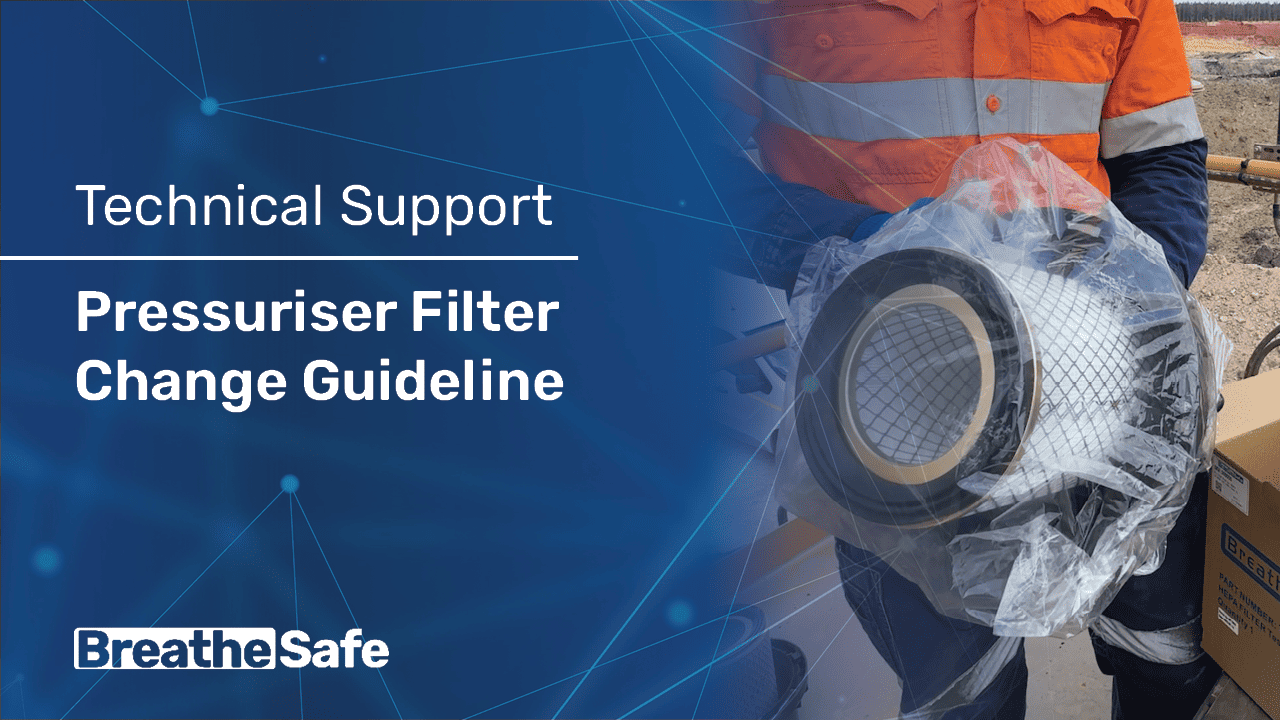
Filter Replacement Guideline
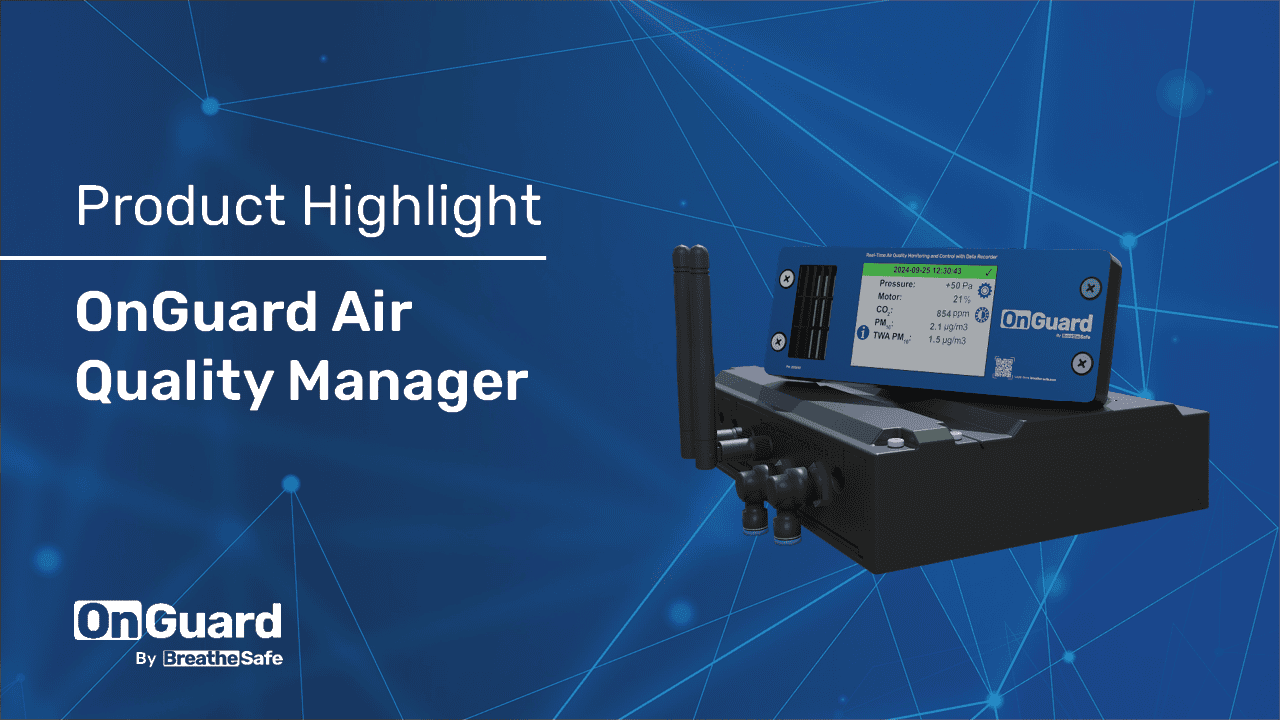
OnGuard Remote Controller
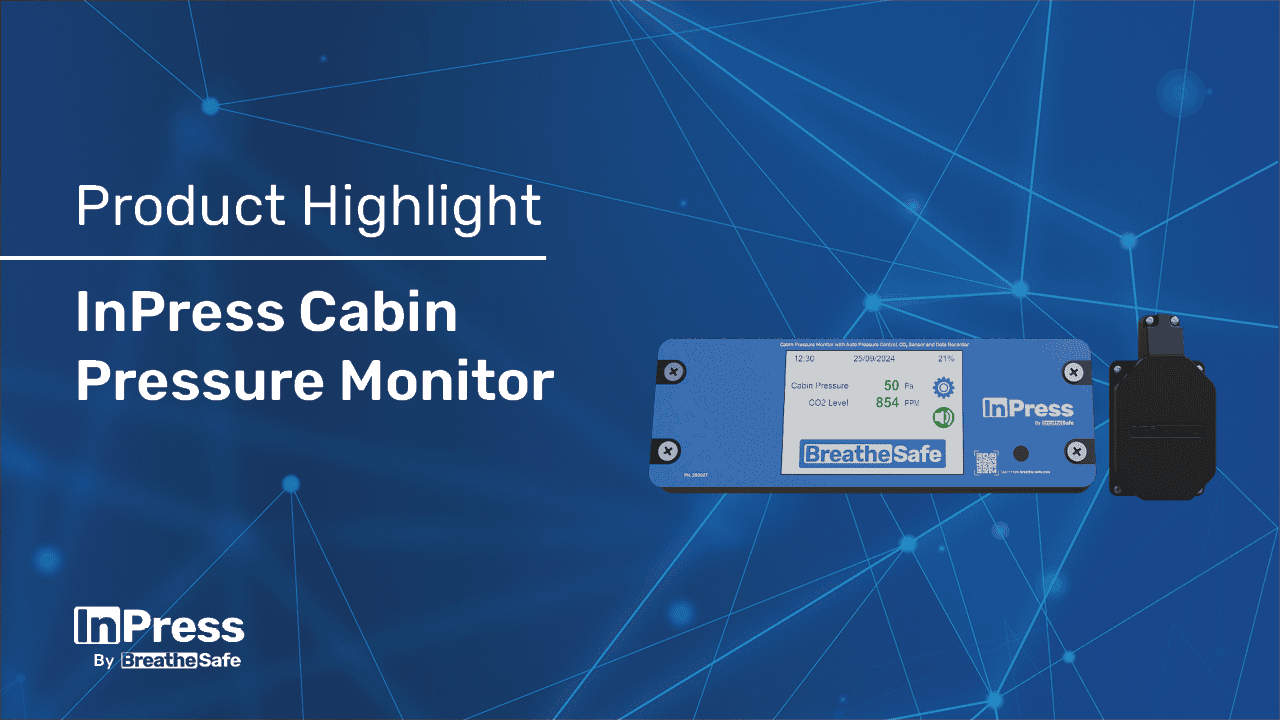
InPress Controller + CO₂ Sensor
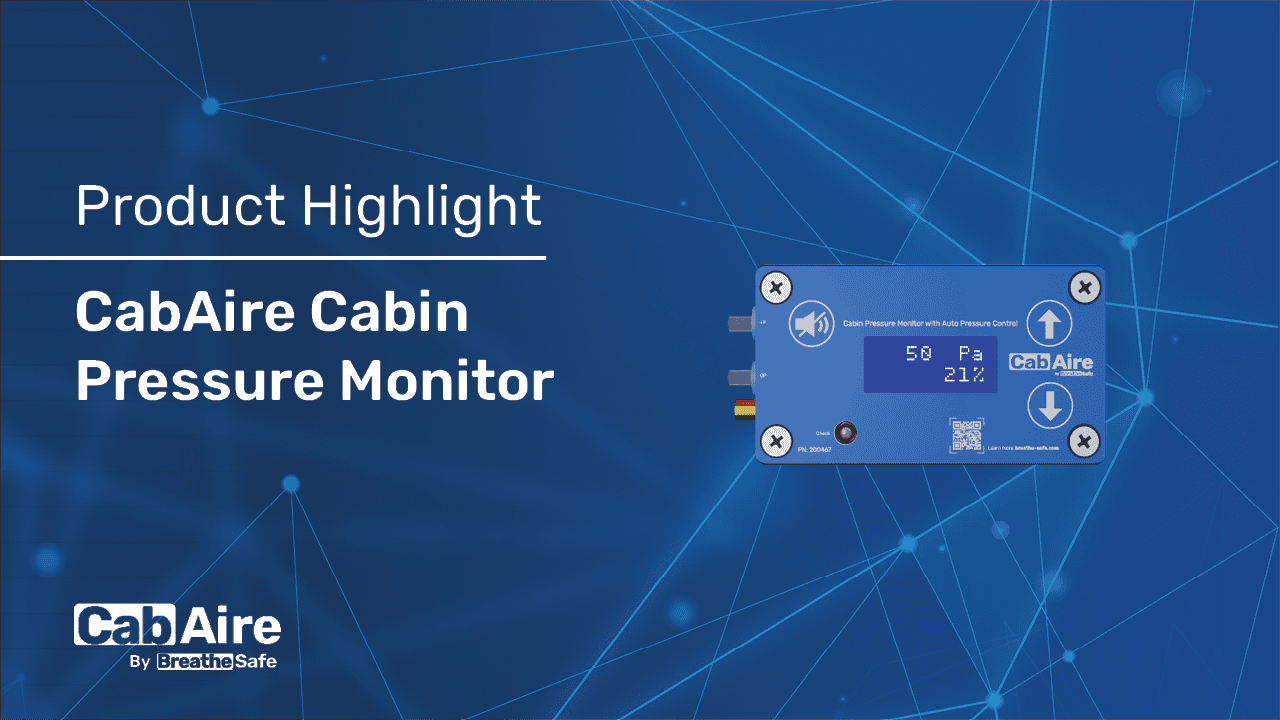
CabAire Controller
Other Solutions
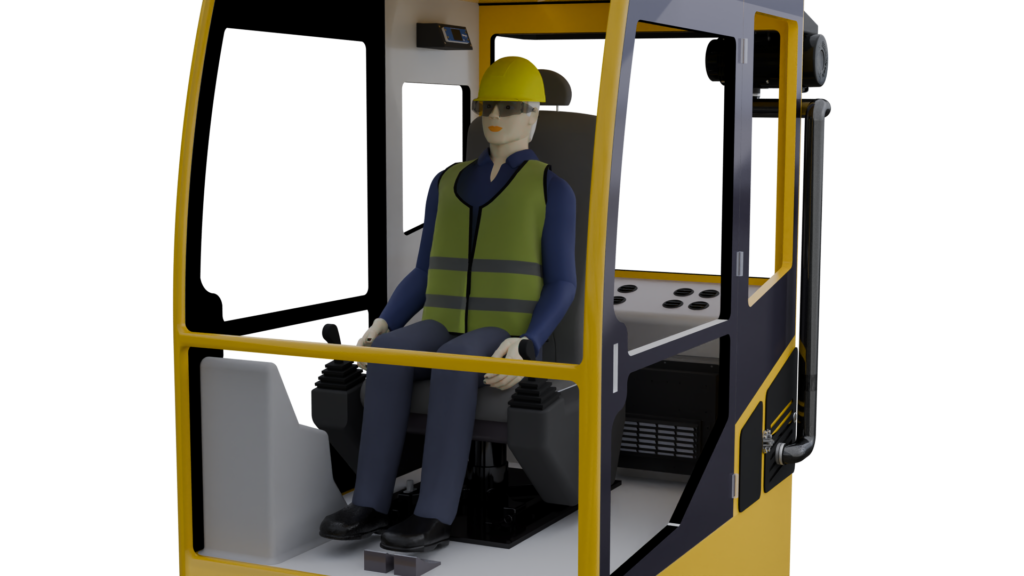
Operator Cabin Pressurisation
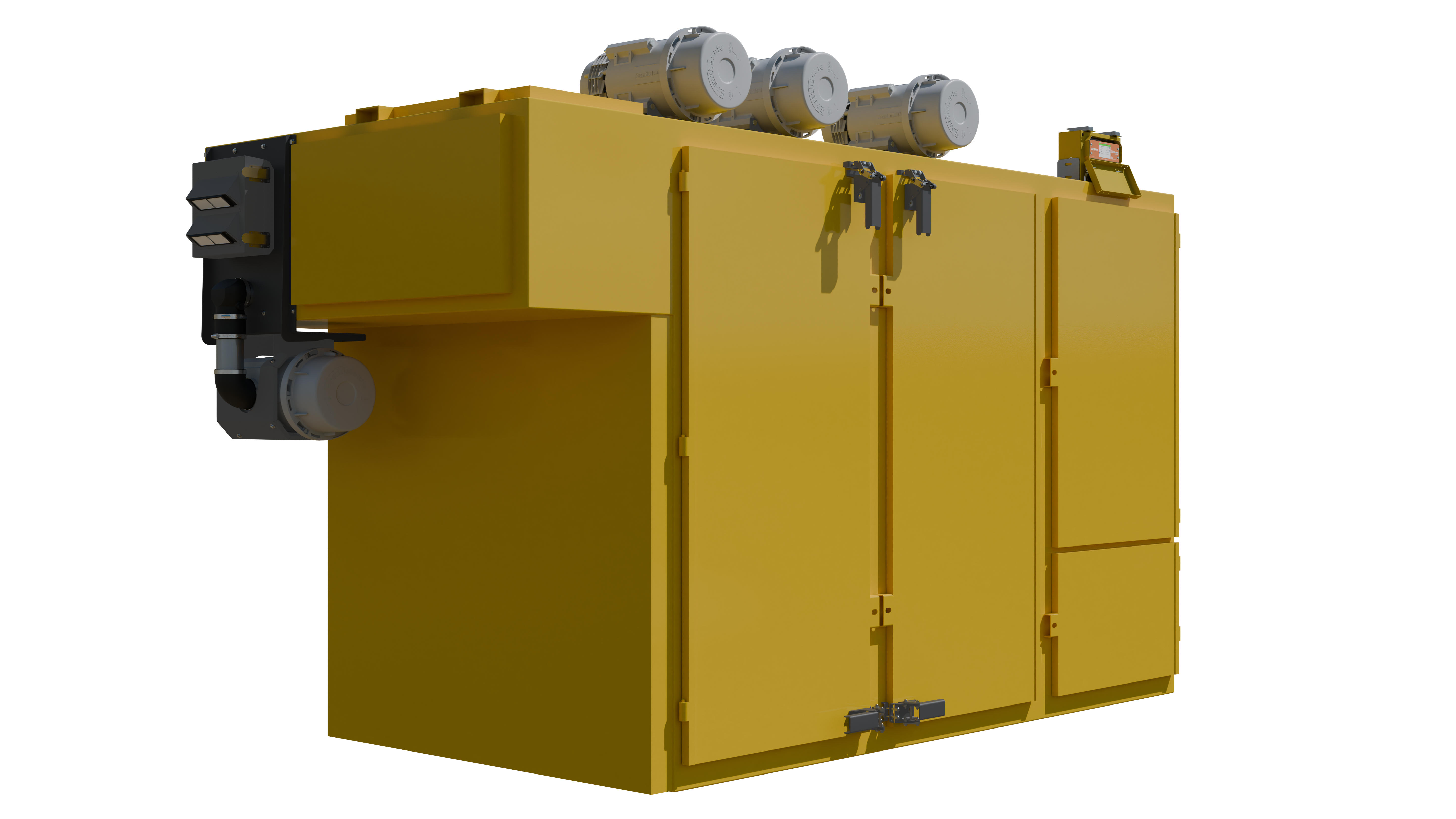
Electrical Cabinet Pressurisation

Build Your Own